

From housing for homeless families and emergency care for abused children to a special hotline for foster youth in crisis and extra support for parents on welfare — these are among the programs proposed to be cut under the plan laid out last month by California Gov. Gavin Newsom.
“Under the governor’s plan, there’s no doubt people will be hurt,” Assemblymember Corey Jackson said in an interview with The Imprint. “More people will end up being homeless, there will be more food insecurity, more foster care, and more children being put in unstable places without getting the services that they need to recover from the trauma that led them into the system in the first place.”
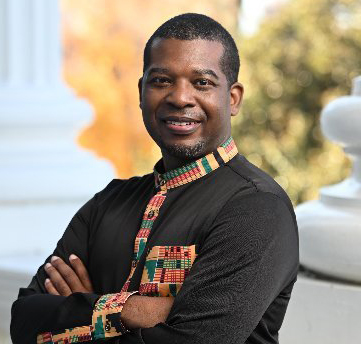
Jackson and a majority of Democratic state lawmakers have pushed back on the devastating cuts to child and family services proposed in Newsom’s budget in May — his plan to address a $28 billion shortfall. Last week, the legislators announced an alternate proposal that would preserve these health and safety net programs by drawing down a larger share of the state’s rainy day fund.
The lawmakers’ predicament is hard to ignore, even in a progressive state like California, where social spending is far more likely to be prioritized than in other parts of the nation. Years of booming revenues and federal pandemic aid over the past decade have resulted in a robust array of anti-poverty and child welfare programs that now face the prospect of being rolled back or seriously slashed.
The Legislature must finalize its budget proposal by June 15. A balanced budget must be passed and approved by the governor by July 1, the beginning of the 2024-25 fiscal year.
Anti-poverty programs at risk
The CalWORKS program — California’s version of the federal Temporary Assistance for Needy Families that pairs cash aid with supportive services for working poor parents — is among those that could be slashed. The state’s welfare program has become one of the most generous in the nation, with investments that go well beyond federal minimum requirements.
But related benefits the state once boasted of — including the Family Stabilization Program — may not survive these years of austerity. Since 2016, the program has provided intensive case management and emergency cash for parents facing a crisis such as a sudden eviction. Eliminating the $71 million program is among the nearly $293 million in cuts to the CalWORKS program proposed by Gov. Newsom.
“Under the governor’s plan, there’s no doubt people will be hurt.”
— Assemblymember Corey Jackson
Unlike during the aftermath of the Great Recession of 2008, cash assistance amounts would not be reduced under the governor’s plan. Rather, services that help families remain in the program are in danger, increasing their chances of ending up homeless or under surveillance by child protective services, say advocates like Joy Perrin, an Oakland mom who once relied on the Family Stabilization Program.
As she sought an escape from domestic violence about five years ago, Perrin lived in a van on the streets of Oakland with her two children. Desperately seeking safety and ensuring her family had enough to eat, she had the fortitude to remain enrolled at Laney College. Without stable housing and additional support, Perrin feared she would not be able to keep her family together.
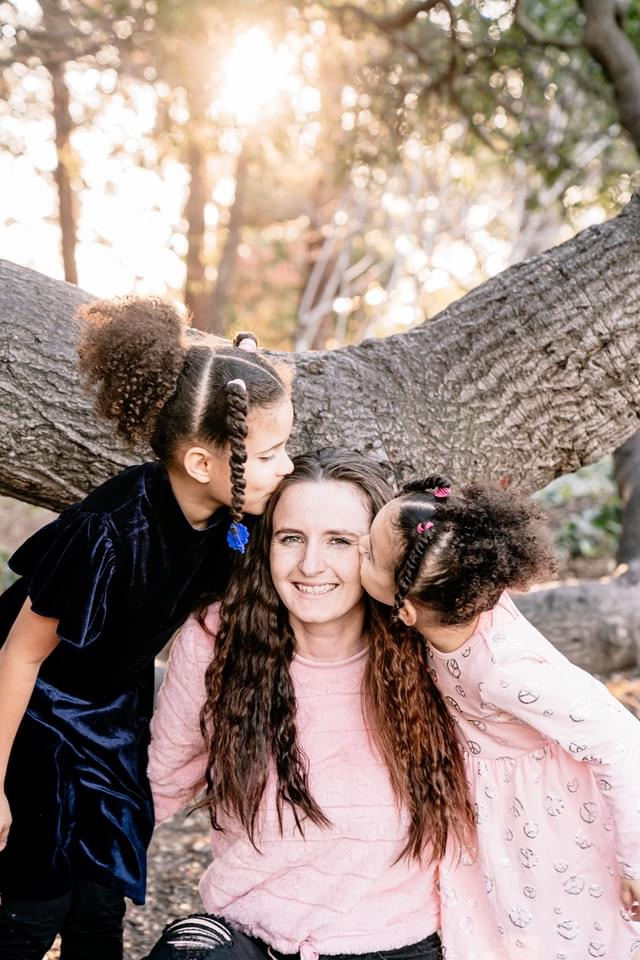
“It was so hard dealing with my mental health and not trying to show other people my emotions and show them that I was strong and that I’m trying my best to get where we need to go,” Perrin said.
After a desperate call to her CalWORKS caseworker, she was referred to the Family Stabilization Program. With the help, Perrin found childcare for her two daughters, then ages 4 and 2 and the family moved into an apartment. The stability has allowed her to pursue her goal of a kinesiology degree.
Perrin said while she’s relieved that cash grants remain unscathed in the governor’s budget, families like hers could face “devastating” futures without the additional services that make an escape from poverty possible.
“What does a grant offer when you don’t have a place to pay the rent at, or a place to cook your food?” she said.
Child welfare advocates are also concerned. The state’s foster care numbers, now at nearly 44,000 children in out-of-home placements, have reached the lowest point in decades. That’s due in part to anti-poverty programs such as services afforded through CalWORKS that stabilize struggling households and prevent family separation, social service experts say.
“The less eyes, the less viability, the less services families receive, the less likely we’re going to be able to intervene early to prevent the removal of a child,” said Maria Lopez-Rodriguez, deputy director of the Fresno County Department of Social Services. “And in the end, that will be more costly to the state.”
Home visiting, housing and caregiver support also slated for cuts
Another CalWORKs service — one that pairs pregnant and new parents with a nurse or trained professional for regular home visits — is also slated for a significant cut under the governor’s current plan. The Home Visiting Program, now serving 3,400 families a year, could see a $47 million reduction in its $110 million total funding.
At an April budget hearing, California Department of Social Services Director Kim Johnson noted the program’s success, citing an evaluation of the program that found it resulted in a decline in CPS referrals. She also noted that the program was most effective when paired with cash assistance.
Two programs for unhoused people in the child welfare system are also at risk of being eliminated. Since 2016, the state’s Bringing Families Home has provided rental assistance, case management, security deposits, utility payments, moving costs, interim shelter assistance, legal services and credit counseling to parents trying to reunify with their children in foster care.
A study published last year by Chapin Hall at the University of Chicago examined the outcomes of families served by the program in San Francisco County and found they had more stable housing, improved family functioning and fewer problems associated with substance use. Another evaluation released by the California Policy Lab at the University of California, Berkeley found that enrollment in the Bringing Families Home program reduced the use of emergency shelter and transitional housing by half, and that only 3% of families in the program exited to homelessness.
Yet despite these positive findings, the program’s entire $80 million budget is now at risk.
Two programs designed to help young people aging out of foster care are also scheduled to be defunded. They include a nearly $14 million housing navigator program under the state’s Department of Housing and Community Development that helps foster youth tap into Section 8 vouchers provided by the federal government. Navigators also assist with housing searches, case management, financial support for rental deposits and moving expenses.
“We’re very concerned that reducing access to those federal housing vouchers is going to increase homelessness among youth aging out of care,” John Burton Advocates for Youth Executive Director Amy Lemley said in an interview in January.
Gov. Newsom also proposes a $26 million cut to funding for supervised independent living placements that serve foster youth 18 and older. About 2,900 young people ages through age 21 rely on the program. Emergency childcare slots for foster children and licensing assistance for relative caregivers are also in line for deep cuts.
Hotline hurt
More than 1,000 government agencies, advocates and providers have come out in support of the Family Urgent Response System, yet another program that could lose its funding. The hotline known as FURS dispatches 24-7 mobile response teams statewide to help de-escalate situations involving foster youth in crisis. In operation since 2021, FURS has helped increase placement stability and decreased the need for hospitalization and arrests.
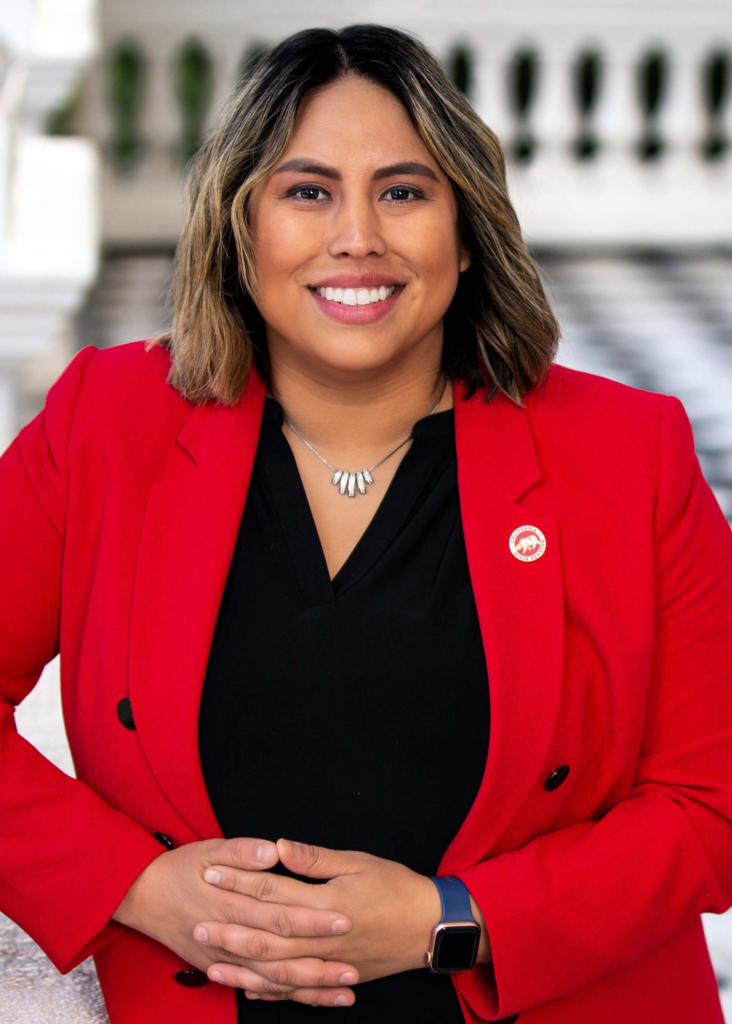
State Sen. Caroline Menjivar said California could leave foster children at risk if the governor moves ahead with efforts to “claw back” services, such as the $30 million FURS hotline, which aims to prevent multiple placement changes and foster youth ending up in the juvenile justice system.
“If we don’t invest in these programs, we’re going to have to pay three-fold of what we might be saving now,” Menjivar said. “We need more time to reap the benefits of all that we’ve planted.”

Stories like these take time and many resources to produce. We can’t do this without support from our community. Donate today – any amount makes a difference.