

At a virtual public forum Thursday, New York City youth pushed mayoral candidates on their plans to improve the lives of foster, immigrant and homeless populations often overlooked by politicians.
Zaqanah, 22, described feeling helpless while she continues to move in and out of shelters, unable to qualify for youth housing programs or find livable apartments even with a housing voucher.
“Landlords ignore me. Brokers ask for extra fees, and the apartments I’m offered are in buildings with roaches, leaks or no heat,” she said. “Where’s the safe and permanent housing for young people in shelters right now? It feels like the system gave me a key to a door that doesn’t exist.”
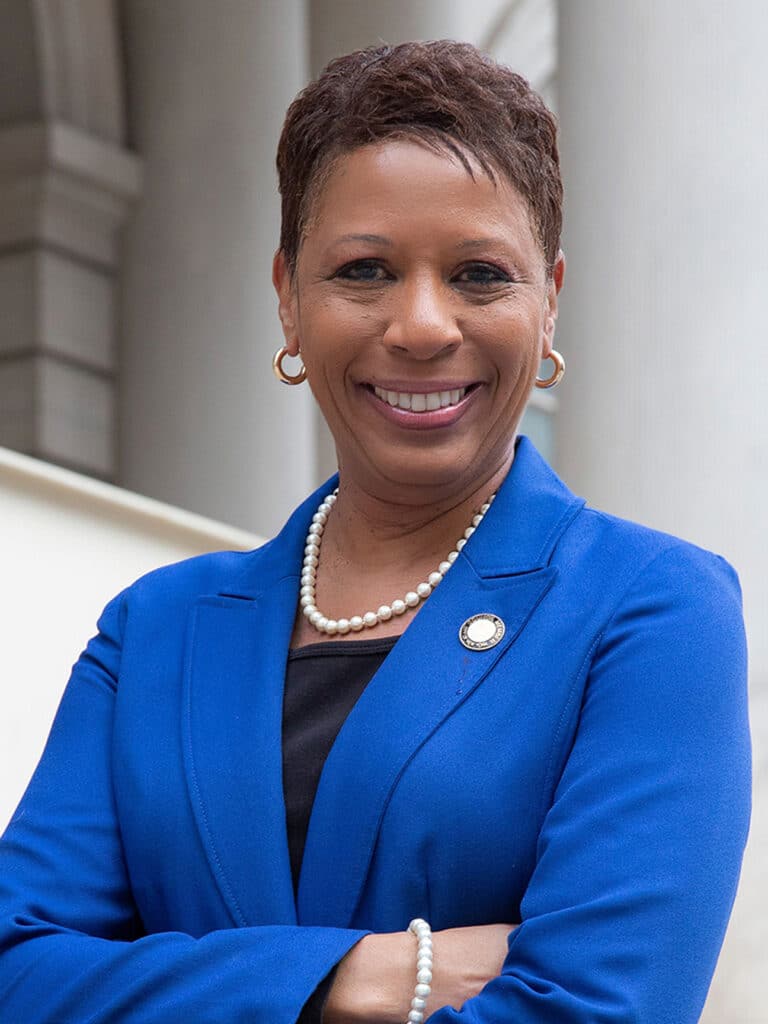
Responding to questions from some of the hundreds of attendees, the three Democratic Party candidates in attendance — state Sen. Jessica Ramos, former Assemblymember Michael Blake and City Council Speaker Adrienne Adams — drew from their personal experiences as young immigrants and struggling New Yorkers growing up in poverty. They pledged to oversee a range of reforms — from loosened rental requirements to job and housing assistance for aged-out foster youth.
The first-of-its-kind Youth in Focus forum was hosted by the public policy think tank Next100 and several nonprofit organizations that serve vulnerable youth.
All 12 candidates for New York City mayor were invited to the forum, held well in advance of the Nov. 4 mayoral election. But leading candidates failed to attend, including former Gov. Andrew Cuomo and current Mayor Eric Adams, who recently dropped out of the Democratic primary race and is running as an independent. Current city Comptroller Brad Lander, state Sen. Zellnor Myrie, former Comptroller Scott Stringer and entrepreneur Whitney Tilson declined to show up at the last minute, according to organizers.
Audience members — who identified themselves by first name only — pressed the candidates on how they would address the lack of affordable mental health care, fears of being detained by Immigration and Customs Enforcement, and inadequate housing.
One former foster youth, Lilly, said her guardian signed her out of foster care without her consent when she turned 18, suddenly leaving her without any financial aid or support from the city’s Administration for Children’s Services.
“I thought I’d finally have a stable home — but then they kicked me out,” she said. “What are you doing for youth like me who are caught in this gap, with no support and no safety net?”
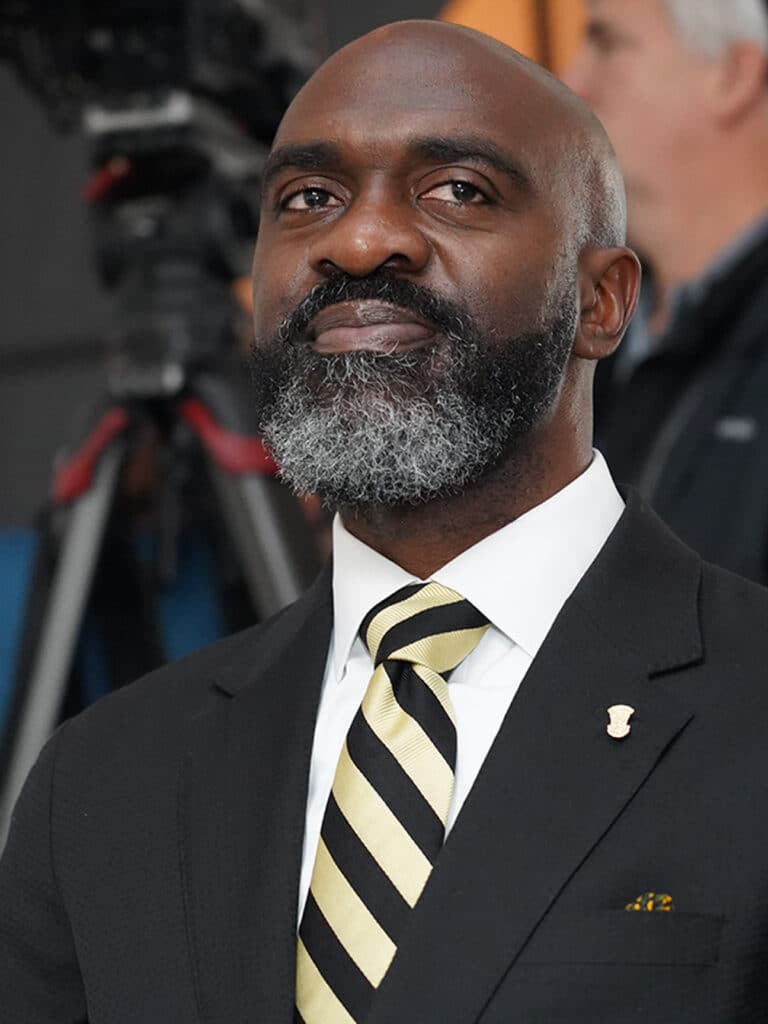
Blake, who previously served for two years as an aide in the Obama administration, called the situation “inhumane.” If elected mayor, he said he would work with nonprofits such as Think of Us to provide job and housing assistance after youth age out of the foster care system. He also criticized the poor screening of unsuitable foster parents.
“They should be banned from having access to another foster child, because they should not be able to effectively make money but then not have the humanity of taking care of the child thereafter,” he told the audience.
To emphasize the importance of stable housing, Blake touched on his experience as the son of Jamaican immigrants, growing up in the Bronx and selling meals with his mother to pay bills.
His other policy priorities include eliminating credit checks that make it hard for struggling youth to rent in the city, and paying nonprofits more quickly to ensure they provide services in a timely manner.
“Where’s the safe and permanent housing for young people in shelters right now? It feels like the system gave me a key to a door that doesn’t exist.”
— Zaqanah, 22
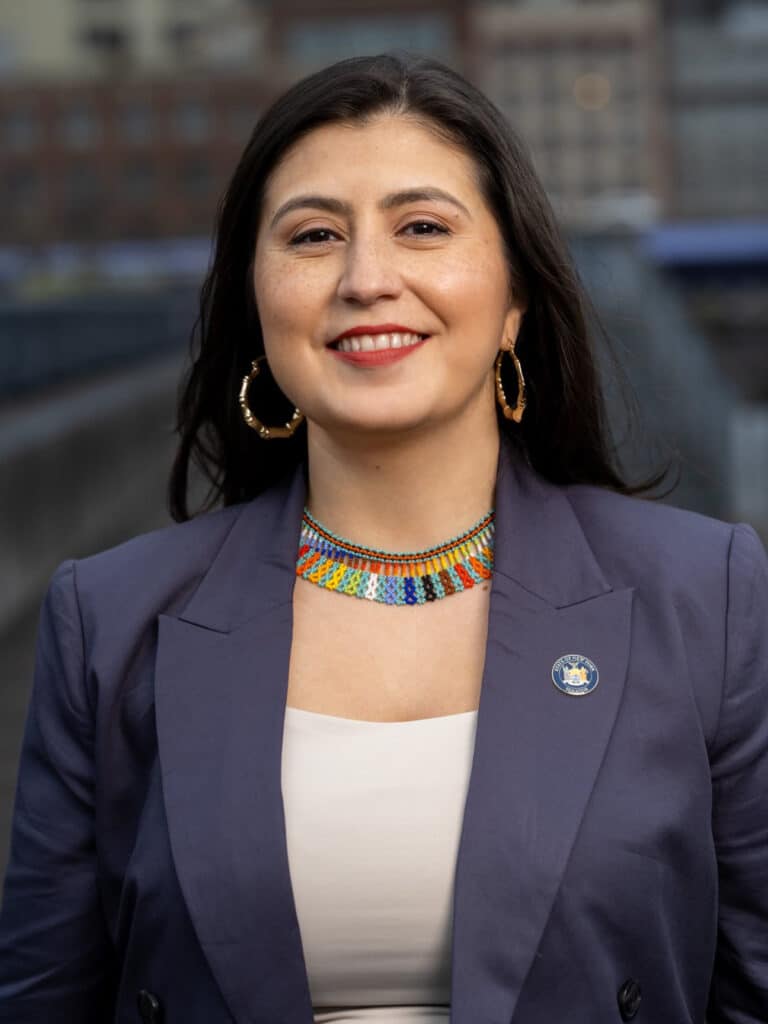
Sen. Ramos, who chairs the New York Senate Committee on Labor, proposed investing in more supportive housing and mixed-income developments that have on-site services, and penalizing landlords who do not accept vouchers. She also discussed the plight of LGBTQ+ youth.
“I want to make sure that we’re helping young LGBTQ+ community people who are also many times on the brink of homelessness,” she said. “So the government has to provide an opportunity for them to be able to land on their feet, and it starts with housing.”
The first American-born daughter of Mexican immigrants, Ramos also emphasized the need for a dedicated immigration clinic to ensure undocumented youth have access to legal services.
Candidates also promised to use budgetary funds to improve schools in low-income communities.
As the first Black speaker of the city council, Adrienne Adams criticized the current mayor, Eric Adams, for cutting education funding.
“We should not be paying for the misdeeds of a mayor who has not stepped up for the interest of the people,” she said.
She spoke about her ambitious plan for a guaranteed basic income program to combat homelessness, which she proposed earlier this month. Under the proposal, tens of thousands of homeless children who are 5 years old and younger, as well as unaccompanied homeless youth and young adults who exit the foster system care would be eligible for monthly checks.
All three candidates criticized the current city administration, which has been plagued with accusations of nepotism and corruption. Last September, Mayor Adams was indicted on federal bribery, fraud, and conspiracy charges, prompting some members of his administration to resign, including influential child welfare leader Anne Williams-Isom. In February, President Trump’s Justice Department moved to dismiss the federal corruption charges in exchange for Adams allowing ICE agents into Rikers Island.
The speakers insisted that New York would remain a “sanctuary city” for immigrants.
“We have a mayor that’s been collaborating with Trump around ICE,” Blake said. “ICE has no business at our schools, our places of worship, at our community centers. It is unconstitutional, it is wrong, and so we will actually work with you to make sure that our immigrant communities are empowered, for better housing opportunities and greater career trajectories while your families are being protected at the same time.”
Fostering Media Connections was among the organizations co-sponsoring the youth mayoral forum.