For the first time, tribal data is being included in a publicly available federal database that is essential to understanding the nation’s child welfare system.
The Adoption and Foster Care Analysis and Reporting System (AFCARS) is the largest source of government data on children in foster care and those who have been adopted. It is used to monitor local systems around the country and provides vital information for the funding and development of policies and programs.
The eight tribal nations represented in the updated dashboard include a range of large and small populations, from the Cherokee and Navajo nations to the Pascua Yaqui Tribe in Arizona, Port Gamble S’Klallam Tribe in Washington, and the Keweenaw Bay Indian Community in Michigan.
Their inclusion ends, for now, a long-running battle between President Donald Trump and tribes over what type of data specifically related to tracking Indigenous children should be included in AFCARS. The lack of centralized information has made it harder to inform policy that puts tribes in the driver’s seat of their children’s wellbeing, tribal advocates have argued.
The tribal nations included in the dashboard are ones that receive funding from Title IV-E of the Social Security Act, the largest federal funding source available to help states and tribes run their own child welfare departments.
The dashboard now contains information about tribes’ foster care entries and exits, adoption rates, and those who had a permanency plan in place or became emancipated.
As an Indigenous foster parent and adoptive mother of three, Elisia Manuel has used the dashboard to educate herself about the child welfare landscape in Arizona, where she lives. She is of Apache and Mexican descent and is the founder of a nonprofit that provides care packages to Native foster children.
Manuel said she’s glad AFCARS now includes tribal input because it could bring more awareness to the well-documented overrepresentation of Indigenous children in foster care.
“If this new data is going to bring us more justice and resources to help our kids, I’m for it,” Manuel said.
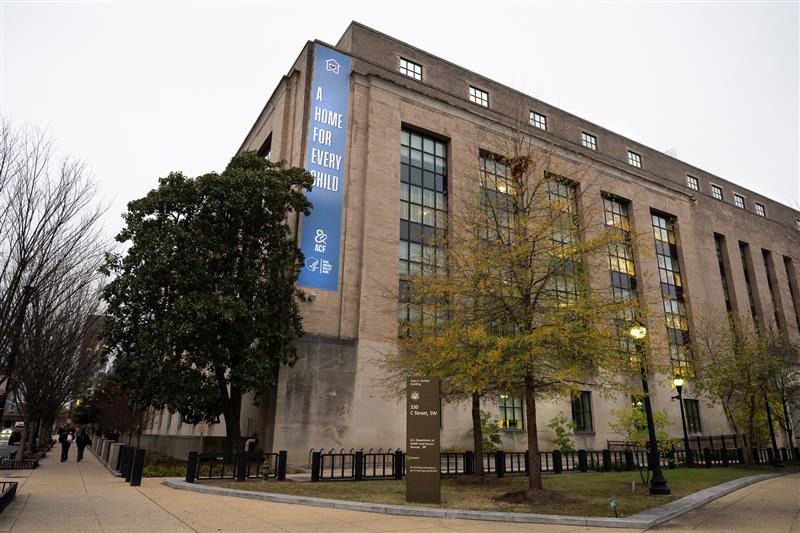
Established in 1993, AFCARS is managed by the Administration for Children and Families and is updated annually. Federal, state and tribal policymakers use the data to determine the number of children in foster care and how and why they enter and exit government custody. The data serves another purpose: to identify strategies for preventing foster care entries.
Information gathered is additionally used to investigate links between foster care and incarceration, substance abuse, education and health. The federal database also informs policies and programs such as the Supplemental Nutrition Assistance Program, tax credits and foster parent subsidies.
Indigenous child welfare professionals and scholars have advocated for the inclusion of tribal data for decades. The first Trump administration rolled back an Obama-era requirement to include data on implementation of the Indian Child Welfare Act (ICWA), a 1978 federal law that sets standards to prioritize keeping Native children connected to family and culture. Then late last year, the outgoing Biden administration finalized new rules to again include ICWA information in AFCARS.
The tribal data recently added is limited. Of the more than 170,000 total children nationwide who entered foster care during the last fiscal year, the eight tribes included in the dataset only comprise 544 children. And unlike the data for states, the dashboard does not show percentages of foster children coming from the eight tribal communities.
In a recent blog post, Richard Wexler, executive director of the National Coalition for Child Protection Reform said, “It’s not clear if these data are complete.’’ Wexler also questioned whether tribal data is being double-counted in the numbers that each state reports.
Federal officials declined to answer The Imprint’s questions regarding the tribal data and whether Native children are also included in state data, citing the “lapse in appropriations” under the government shutdown.

Angelique Day, a Ho-Chunk descendant and associate professor at the University of Washington School of Social Work, has been watching the issue closely.
She said the inclusion of tribal data in AFCARS was hard won. Tribes had to establish or upgrade existing data systems in order to meet the standards required by the Trump administration. However, neither funding nor resources were provided to help them build this infrastructure.
“Tribal AFCARS data has the potential to enhance our understanding of American Indians’ and Alaska Natives’ child welfare needs, improve resources for tribes, and address historical disparities by providing culturally relevant data,” Day said.
“What remains to be seen is if having this data will result in greater investments by the federal government and states to build and test interventions in ways that honor tribal sovereignty.”