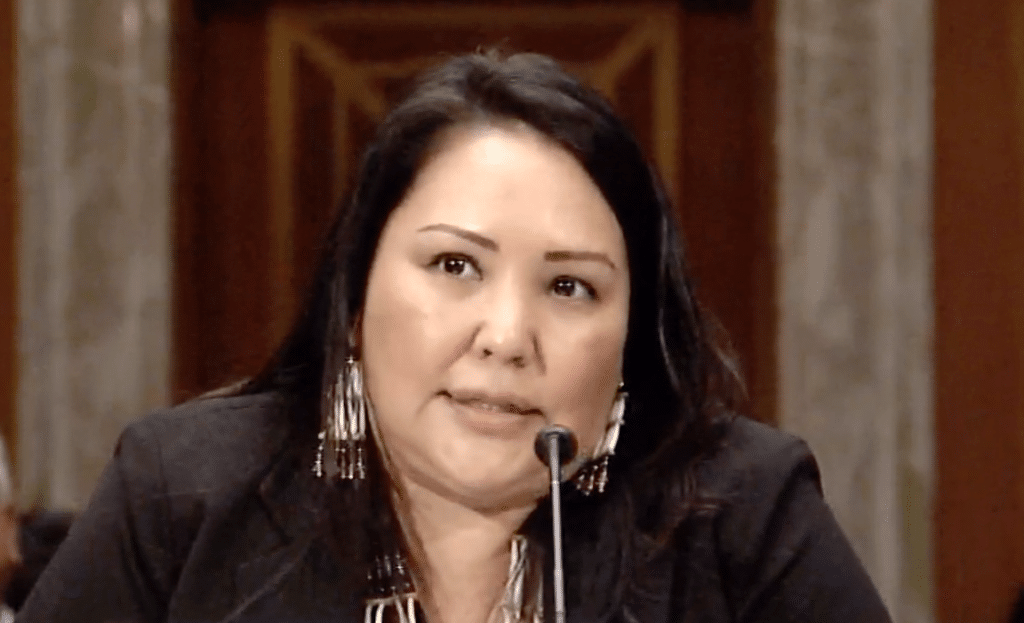
At a congressional hearing today, Native American leaders and members of the Senate Committee on Indian Affairs issued scathing rebukes of the Trump administration’s proposals to slash spending on tribal health, education and human services. Numerous speakers expressed outrage that the federal government is casually brushing aside its centuries-old obligations to uphold treaties and tribal sovereignty.
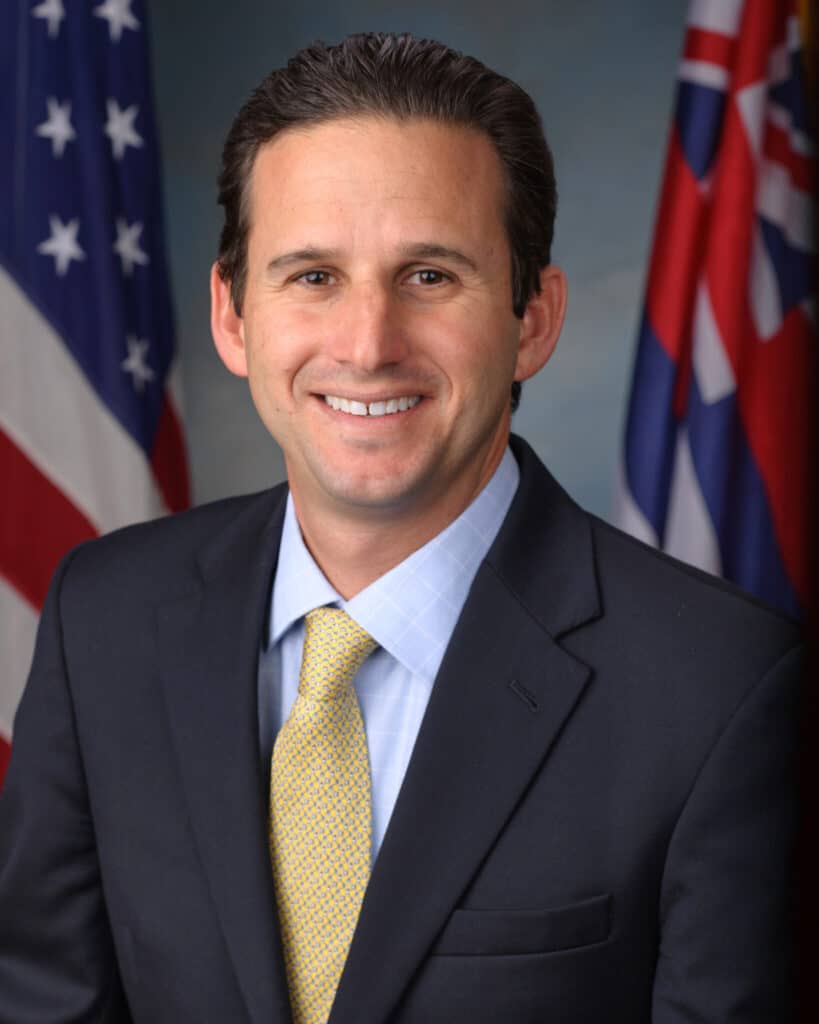
“Native people are among the most vulnerable in health terms in the country, falling behind on almost every metric,” said U.S. Sen. Brian Schatz, the Democratic vice chair of the committee.
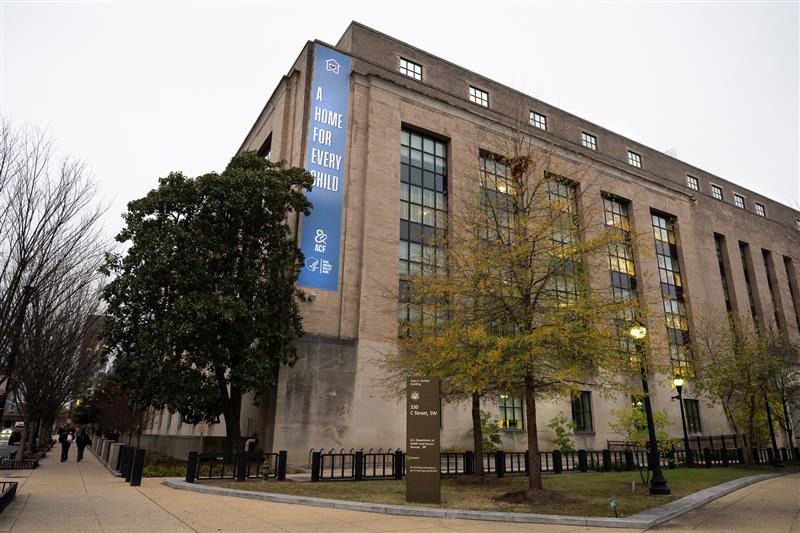
Sweeping cuts proposed to the Centers for Disease Control, National Institutes of Health, and the Administration for Children and Families include the closures of five regional Health and Human Services offices that served 461 tribes in 22 states as well as an array of other programs to prevent chronic disease and addiction.
The Indian Health Services is also among the targets of President Donald Trump’s proposed cuts, according to details leaked by the Office of Management and Budget. Trump proposes slashing the program, which serves over 2 million Indigenous children and families, by 30%, eliminating $900 million from its operational budget. Proposed cuts to the Bureau of Indian Affairs total $617 million, detailed in a May 2 budget plan, take aim at everything from roads and housing to social services.
The Bureau of Indian Education — which is responsible for supporting federal education programs for about 46,000 Indigenous students in 183 schools nationwide — would also take a hit under the president’s plan, with construction projects pared back by $187 million.
“All of this means that Native communities have less support for job training, child care, domestic violence, victim services, suicide and substance abuse prevention,” Schatz said at the hearing. “These cuts are being carried out without any tribal consultation whatsoever, in plain violation of our trust and treaty responsibilities. This is not just a moral question of what we owe Native people — it is also a question of the law.”
The Senate Committee on Indian Affairs hearing today examined the impacts of cuts to Department of Health and Human Services (HHS) programs serving Native Americans.
Those who testified over roughly an hour and a half included Janet Alkire, chairwoman of the Standing Rock Sioux Tribe in North Dakota; Loni Greninger, vice chairwoman of the Jamestown S’Klallam Tribal Council in Washington state; Melissa Charlie, executive director of the Fairbanks Native Association in Alaska; Lucy Simpson, executive director of the National Indigenous Women’s Resource Center in Montana; and Sheri-Ann Daniels, CEO of the Papa Ola Lōkahi in Hawaii.
“These cuts are being carried out without any tribal consultation whatsoever, in plain violation of our trust and treaty responsibilities. This is not just a moral question of what we owe Native people — it is also a question of the law.”
— Sen. Brian Schatz
The hearing came a day after Sens. Schatz and Lisa Murkowski (R) sent a letter to HHS Secretary Robert Kennedy Jr., urging a halt to the proposed cuts and better engagement and consultation with tribes. The department’s regional office closures have already left Indian Country without critical assistance for programs like Head Start preschools, child care, and low-income assistance, the letter stated.
The Trump administration’s proposed budget cuts that affect child welfare include mass dismissals of federal workers and funding freezes across multiple agencies. In Indian County, other cuts impact mental health and substance use programs, domestic violence prevention, and culturally tailored public health initiatives.
“The work that HHS provides in fulfilling the trust responsibility to American Indians and Alaska Natives goes well beyond the programs at the Indian Health Service,” Schatz and Murkowski stated in their letter. “The termination of staff responsible for managing these programs threatens the health, safety, and well-being of Native communities across the country.”
Proposed reductions to the Bureau of Indian Affairs are detailed in a May 2 “Discretionary Budget Request.” The $3 billion BIA was created in 1824. Its mission is to “enhance the quality of life, promote economic opportunity, and carry out Federal responsibilities to protect and improve the trust assets of American Indians, Indian Tribes, and Alaska Natives.”
Under the proposal, the $617 million BIA cut would center on loan programs for tribal businesses that Trump officials describe as “duplicative of several other programs across the Federal Government that offer loans to small businesses and which tribal businesses are eligible for and receive.”
That cut also “reduces funding for programs that directly fund tribal operations such as roads, housing, and social services in order to focus on core priorities for tribal communities, such as law enforcement.”
It would also terminate the Indian Land Consolidation Program, “which has received bipartisan criticism for being ineffective.”
But critics say this is misguided and would have a direct impact on tribal social services.
“I’m not aware of any federally recognized tribes for whom federal funding is not a critical component of their child welfare program budget,” said Robert Ludgate, a Washington-based child welfare expert and a descendant of the Siksika Nation.
The federal government’s treaty responsibilities require consultation with tribes on policies affecting the sovereign nations within U.S. borders. Indigenous leaders who testified before the Senate today called out the violation of that obligation, while telling the Indian Affairs committee that the changes proposed by the White House would have devastating effects.
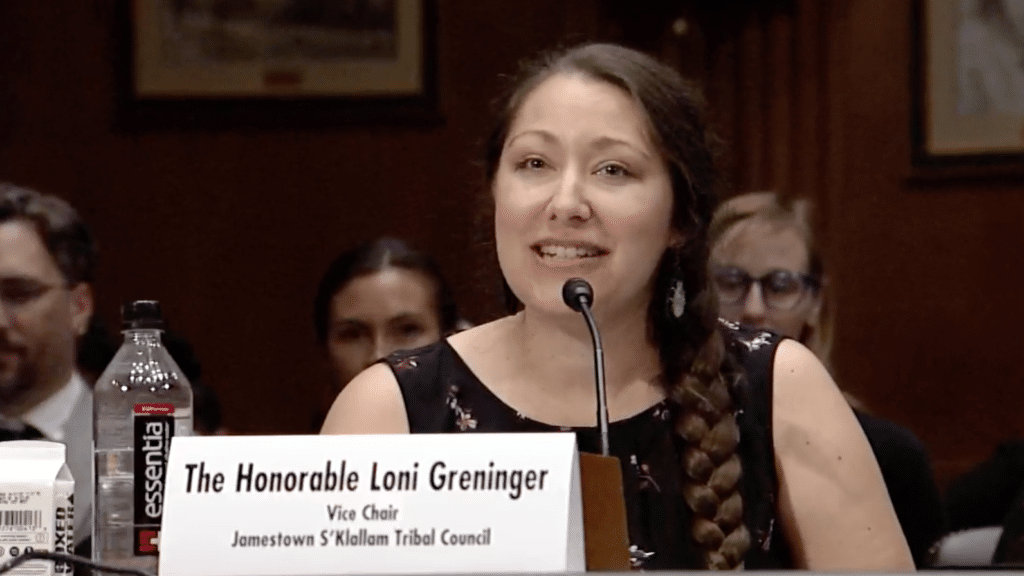
But Greninger, of the Jamestown S’Klallam Tribal Council, acknowledged that Secretary Kennedy “seems to want to work with tribes.”
“But it’s more than IHS,” she added, pointing to an array of broader social service cuts that will affect Indigenous people. “Even if the word ‘tribe,’ ‘Native American,’ or ‘Indian’ isn’t in the office name, or in the grant name, it still serves tribes.”
Nonetheless, Greninger remains hopeful.
“This is why we are here and testifying to try to figure out how do we blend that all together,” she said. “Tribal consultation is essential to us figuring out how we blend these systems together, and make these programs work for us.”
Others who testified today highlighted shortfalls that already exist in tribal programs and resources, and said more funding and investment from the federal government, not less, is what is actually needed.
Charlie, of the Fairbanks Native Association, mentioned Head Start, which supports not only early childhood learning but supportive services for young children’s families.
“Tribal Head Start remain under-resourced compared to other non-tribal counterparts,” Charlie said. “We face challenges recruiting and retaining qualified staff due to wage disparities. We need updated facilities, modern learning materials, and a more robust professional development — which requires an increase in stable federal investment and partnership with tribal organizations.”
The Trump administration is also proposing to roll back prior commitments. After years of advocacy, advance appropriations to Indian Health Services had been promised under former President Joe Biden to protect Indigenous people during government shutdowns or administration changes.
Addressing proposed Health and Human Services cuts in a recent statement, Francys Crevier, CEO of the National Center for Urban Indian Health and a member of the Algonquin tribe, warned of dire consequences:
“The proposed budget cuts are a direct threat to the health and well-being of American Indian and Alaska Native communities,” Crevier stated. “We call on Secretary Kennedy to honor his commitment to prioritizing Indian Country and appeal these proposed reductions. Lives are at stake and this could have catastrophic consequences.”