Part two of a two-part series. Read part one here.
Nicole Costin fought her way out of an opioid addiction more than a decade ago with the aid of Subutex, a medication prescribed by her doctor that tamps down opioid cravings. It has helped keep her sober ever since.
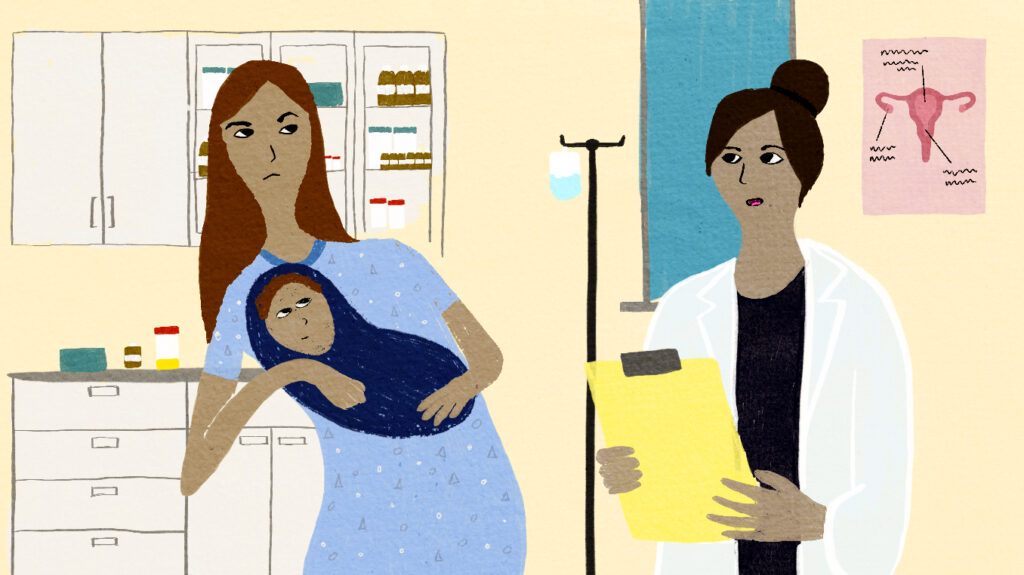
But in March 2021, when the 36-year-old upstate New York resident arrived at Glens Falls Hospital to deliver her son, that prescription turned the birth of her second child into what felt like a battleground.
First, she was tested for drugs without her consent while in the throes of labor. Then — after receiving a false positive result for cocaine and PCP — she had to fight to be re-tested to prove she was clean of illegal substances. And finally, even though Costin had informed clinicians about her reliance on medication-assisted treatment, she was reported to Child Protective Services.
Shortly after the birth, Costin was barred from contact with her newborn son, and her family fell under investigation for weeks by child welfare workers who questioned her ability to safely parent.
But Costin is a rare mother on addiction medication who fought back.
In an ongoing federal civil rights lawsuit, she alleges she faced discrimination by hospital staff for use of a legal medication, prescribed by her doctor to treat addiction as part of widely supported medical practice. The heart of the case centers on what she was told was Glens Falls policy at the time: All patients who report using addiction medications like Subutex are automatically drug-tested for other substances, and reported to child protective services.
“She did everything the right way. She disclosed everything at the appropriate times,” said Costin’s attorney, Taleah Jennings. “And then she was penalized because of it.”
The U.S. Departments of Justice and Health and Human Services have weighed in to support Costin in the case filed this spring in the federal appeals court covering parts of New York, Connecticut and Vermont. The departments’ amicus brief states that the hospital violated federal anti-discrimination laws by “enforcing a blanket policy of drug testing all pregnant people who are taking medication for opioid-use disorder and reporting them to state authorities for suspected child abuse based solely on the fact that they are taking such medication.”
Representatives of Glens Falls Hospital did not respond to requests for comment. But in court filings, they’ve argued that Costin wasn’t eligible for disability protections and that she was not discriminated against and received appropriate medical care.
Federal laws protect use of addiction medication
Subutex is a brand-name buprenorphine medication, which, along with methadone and naltrexone, is approved by the Food and Drug Administration to treat opioid use disorder under the care of physicians. Doctors prescribe such medication-assisted treatments to help people struggling with addiction to heroin or narcotic painkillers like oxycodone and fentanyl.
Leading medical authorities, including The American Academy of Pediatrics and Centers for Disease Control, have concluded that use of these drugs is safe and effective during pregnancy. Health authorities consider them a preferred alternative to quitting outright, which can cause preterm labor, fetal distress and miscarriage. The American College of Obstetricians and Gynecologists advises that medication-assisted treatment “is preferable to medically supervised withdrawal because withdrawal is associated with high relapse rates, which lead to worse outcomes.”
“I had no chance to bond with him. I didn’t get pictures, I didn’t get videos. I didn’t have the skin-on-skin contact and be able to get my milk supply up and start breastfeeding. I didn’t have any of that.”
— Nicole Costin
Use of medication-assisted treatments for addiction is also a protected right under the Rehabilitation Act of 1973 and the 35-year-old federal Americans with Disabilities Act, which both prohibit discrimination against people taking these prescribed drugs.
Nonetheless, as The Imprint reported yesterday, parents who use these medications can face discrimination in all stages of the child welfare system — from unfair CPS investigations to difficulty reunifying with children in foster care — and are at times pressured by judges and social workers to quit their treatment against medical advice. While the extent of the problem is hard to quantify, recent lawsuits, federal investigations and interviews with more than a dozen court officials, parents, advocates and disability rights activists in multiple states reveal it is widespread.
Initially, Costin’s case against the hospital was dismissed. In a ruling last year, a U.S. District Court in northern New York concluded that the federal protections did not apply to her complaints because her doctors and nurses could have been acting reasonably based on medical need.
But in June, an appeals court overturned parts of that ruling, stating that Costin “plausibly alleged that the Hospital policies discriminate against individuals with substance-abuse disorder because they rely on stereotyped and pejorative views of Subutex users.” Justices reversed the lower court’s decision to dismiss the case, confirming that Costin did have grounds to bring a federal discrimination suit against the hospital.
The new trial is expected early next year.
Controversy over secretive drug testing
While Costin’s case centers on a physician-prescribed opioid use disorder treatment, scrutiny of practices that require all new moms be routinely drug-tested for any substances that might show up — including cannabis and even poppy seeds — has come under heavy scrutiny in recent years.
In 2020, prompted by growing outcry and evidence of racial discrimination in maternity wards, New York City began requiring public hospitals to obtain written consent from pregnant patients before screening for drugs. The following year — a few months after Costin’s baby was born — the state Department of Health echoed that directive, informing hospitals and birthing centers that they should obtain written consent before drug testing, and that “substance use alone is not an indicator of child abuse, maltreatment, or neglect.”
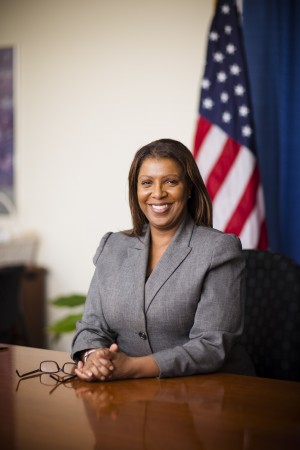
More recently, New York Attorney General Letitia James launched an investigation into non-consensual drug testing of mothers and infants. The AG’s special prosecutor, Galen Sherwin, has stated that the routine testing leads to “the separation of newborns from their parents in the first days of life, interfering with bonding and breastfeeding and causing government agencies to open unwarranted, invasive child welfare investigations.”
Dunkirk, New York, resident Laura Kuzdale is among the moms the attorney general’s office has interviewed for its investigation. In 2020, prior to giving birth at Oishei Children’s Hospital, Kuzdale tested positive for opiates. That resulted in a months–long CPS investigation that she said robbed her of critical bonding time with her newborn, and stressed out her entire family.
The positive test, which she did not consent to, resulted from eating Everything Bagel Bites with poppy seeds before giving birth, her lawsuit alleges.
Kuzdale has since sued the hospital’s parent company for illegal sex discrimination and violations of her constitutional rights. A representative for defendant Kaleida Health said that at the time, the law did not require consent before drug-testing, and that reporting Kuzdale to CPS was in line with legal standards.
Similar lawsuits have been filed in New York, Illinois and New Jersey.
“It is very likely that a gross violation of patients’ rights was perpetrated against thousands of women and their families, many of them people of color and underprivileged — not just me,” Kuzdale told The Imprint.
Penalized for prescription medication
Like Kuzdale, Costin said she was blindsided after arriving at the hospital brimming with excitement and joy. She expected supportive midwives rubbing her back and coaching her through labor pains, and a doctor tenderly placing her newborn in her arms.
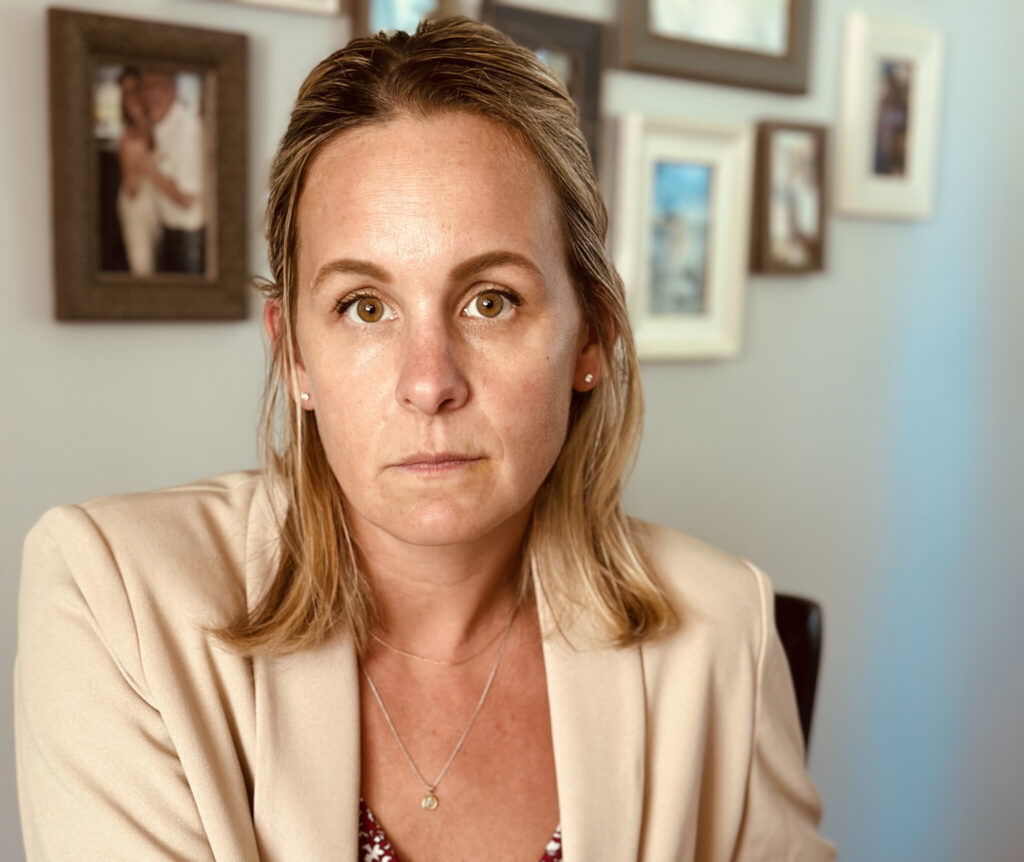
Instead, the 36-year-old restaurant manager described it as a nightmare that got progressively worse.
During routine intake questions, Costin disclosed that she took Subutex tablets twice daily, and had been for years. When hospital staff began taking blood and urine samples, it seemed typical enough to the second-time mom, she said, no different from the routine urine testing during months of prenatal visits.
But then she overheard a nurse mentioning that they were waiting on toxicology results.
The first test came back showing cocaine and PCP in her system: a false positive. So Costin immediately demanded a re-test. The second result, negative, was verified by an outside lab, court filings show.
But by then, suspicions had already taken hold among hospital staff, she said. Previously encouraging health care workers changed their tone following the false-positive test, despite Costin’s insistence that it was inaccurate.
“Are you sure you didn’t do a little cocaine?” one nurse asked her, court documents show.
“The focus was taken off of me being pregnant and the baby, and it was now on this biased vision that they had,” Costin said. “They were being very discriminatory. They saw me in a certain light, and they were sticking to that and treating me accordingly.”
According to court records, after the second drug test came back negative, hospital staff nonetheless reported Costin to child protective services. Moments after her son was born, they whisked him away to be drug-tested and then, for days following his birth, placed him in an incubator in another room rather than keeping him closer to his mother in a portable unit.
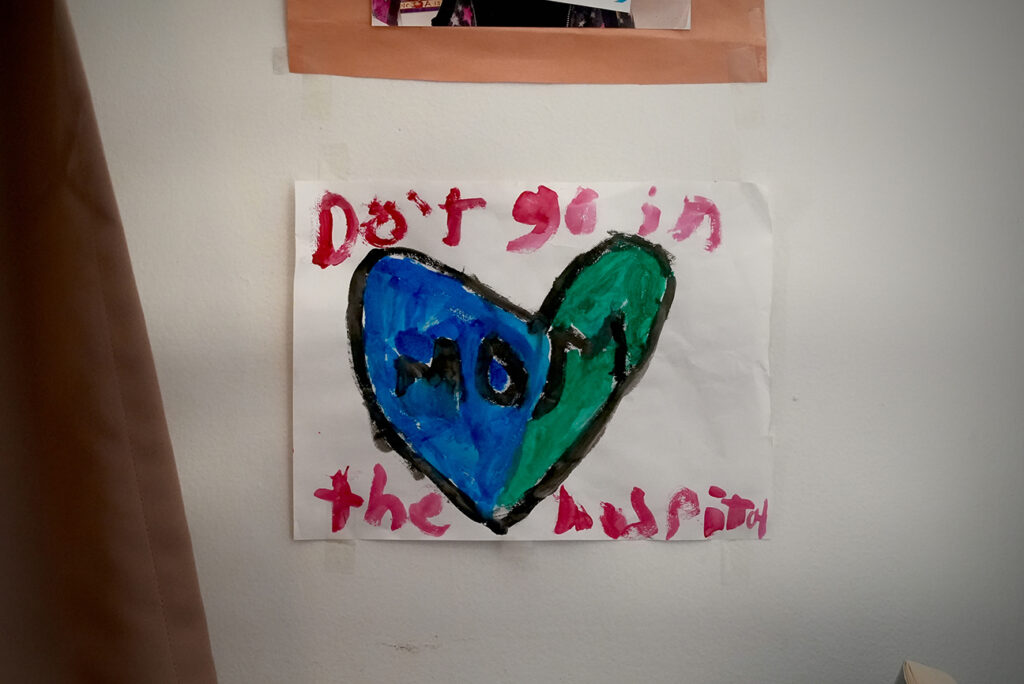
“I had no chance to bond with him. I didn’t get pictures, I didn’t get videos,” Costin said. “I didn’t have the skin-on-skin contact and be able to get my milk supply up and start breastfeeding. I didn’t have any of that.”

The next day, Costin was barred from leaving the hospital until she was interviewed by a CPS worker from Warren County, who drug-tested her yet again and tried to get her partner to submit to the screening as well. That was Costin’s third test for illicit drugs since she arrived at the Glens Falls maternity ward. When those last tests came back negative, Costin said she was told the child welfare case would be closed upon discharge from the hospital.
But within five minutes of arriving home with her newborn son, another CPS worker knocked on her door. Despite what Costin had been told, the child maltreatment investigation remained open and the caseworker informed her that she had to inspect her home and interview her newborn’s older sibling, a then 8-year-old son.
A few days later, the newborn’s drug test came back. Negative.
That was followed by a letter from Warren County Department of Social Services, filed as an attachment to Costin’s case. It stated that “the hospital’s suspicions of child abuse were unfounded” and the case had been closed, court documents show.
Blanket policies deemed discriminatory
In the June appeals court ruling, justices determined that two key actions by Glens Falls Hospital staff support Costin’s allegations that she was subjected to “blanket policies” that discriminate against Subutex users.
The ruling cites nurse Karen Ranttila, who told Costin that the hospital drug tests everyone who comes into the hospital on medication-assisted treatment. She said the tests are used to determine whether they are on other drugs and to check “prescribed dosage against the levels in their system to try to determine whether they are illegally selling their pills.”
“It is very likely that a gross violation of patients’ rights was perpetrated against thousands of women and their families, many of them people of color and underprivileged — not just me.”
— Parent Laura Kuzdale
Dr. Kevin Grassi also told Costin that Glens Falls Hospital reports every patient using medication-assisted treatment to child protection authorities for possible child abuse.
Attorneys for the defendants argued in court that this is required of mandated reporters under state and federal law.
But those were signs of discrimination for the justices reviewing the case, who concluded: “Her allegations support an inference that the Hospital has a blanket policy of drug-testing patients who take Subutex based on a pejorative view of them as dishonest (or, worse, drug-dealers), rather than based on any medical rationale.”
In their amicus brief, officials with the justice and health and human services departments say the hospital’s defense “lacks merit” and “misstates” the requirements in the Child Abuse Prevention and Treatment Act of 1974. That law requires hospitals to report when a child is born “affected by withdrawal symptoms resulting from prenatal drug exposure.” Since Costin’s son had not shown any withdrawal symptoms from the in utero Subutex exposure, there was no need to report her to CPS, they stated.
“The Hospital’s policy discriminates on the basis of disability by targeting pregnant people taking medication for opioid-use disorder for disparate treatment — specifically drug testing and CPS scrutiny,” federal officials wrote to the court. “That disparate treatment imposes burdens on pregnant people taking medication for opioid use disorder — by not only invading their privacy but also exposing them to risk of family separation — that the Hospital does not impose on pregnant people without disabilities.”
Fighting for accountability
Costin gave birth to her third child this October. This time, she traveled to give birth at a hospital in a different town and enlisted the help of a doula to help as a bedside advocate. Even with those steps taken, the months and weeks leading up to the birth were clouded with anxiety.
As it turned out, driving a few towns away made all the difference. Costin’s medication did not become an issue at this birth. She was able to take her newborn home without the frightening specter of a CPS investigation hanging over her.
Still, her experience at the Glens Falls facility, her local hospital, has left her afraid of what would happen if she or her family ever had to return there in an emergency.
In addition to as-yet unspecified damages she is claiming for the harrowing experience she endured, Costin said she hopes her lawsuit will force Glens Falls to alter its policies and improve treatment of patients on recovery meds. She also hopes other hospitals with similar practices will follow.
Jennings, her attorney, praised the Glens Falls mom for having the courage to brave public scrutiny by telling her story and for trying to seek justice on behalf of pregnant moms and babies.
“She realizes that this is bigger than just her,” Jennings said.
BEFORE YOU GO… If you learned something from this article, pay it forward and contribute to The Imprint. Our work is funded by readers like you who are committed to unbiased journalism that works for you, not for the algorithms.