The widespread but controversial drug-testing of mothers and newborns in hospitals is now under greater scrutiny in New York, with accusations of unfairness surfacing in multiple lawsuits and state Attorney General Letitia James investigating. Positive tests that lead to CPS calls have the potential to separate families during infants’ earliest stage of life — a practice parents, legal advocates and activists say punishes women and children and drags too many people of color unfairly into the foster care system.
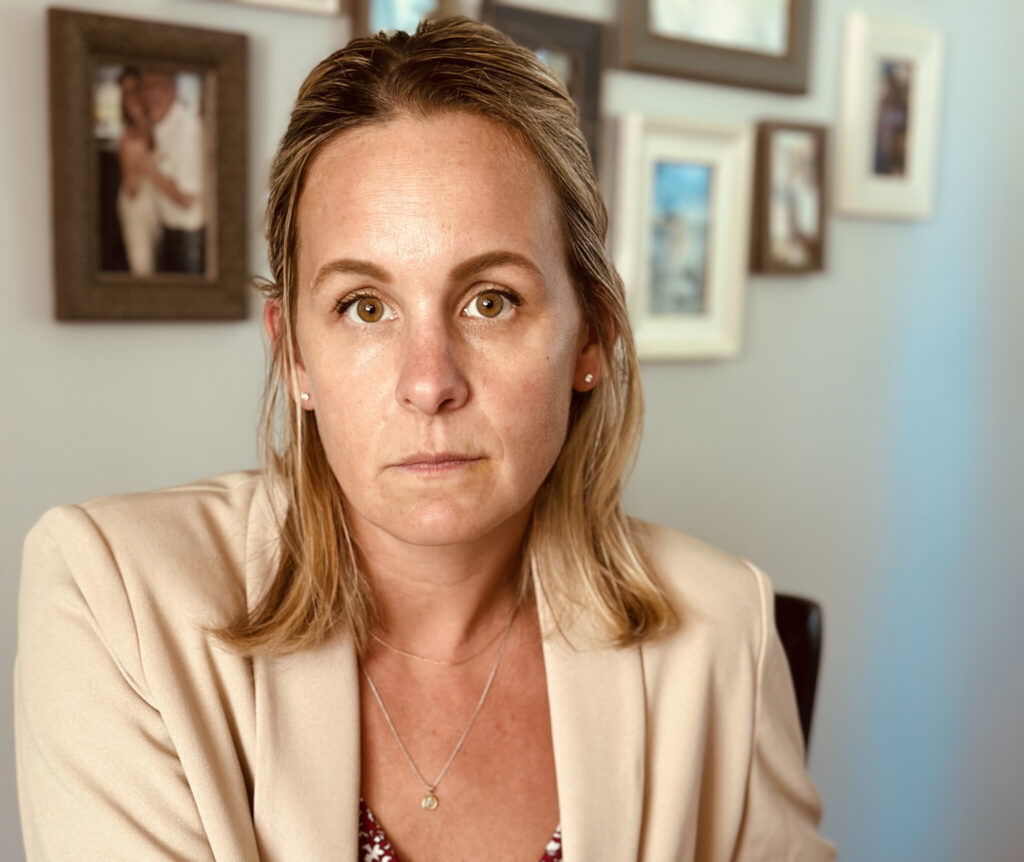
In an ongoing upstate lawsuit, Laura Kuzdale of Dunkirk said all she did to incur the intrusion of child protective services was eat “Everything Bagel Bites” with poppy seeds before giving birth in 2020. Unbeknownst to Kuzdale, staff at Oishei Children’s Hospital later tested her for drugs, which came up positive for opiates.
The mother of two said that’s when the nightmare began: Child welfare workers barred her from critical bonding time, and interrupted a smooth return home with her newest family member.
“Non-consensual medical testing is illegal. Billing the patient for tests they weren’t aware of is unethical,” Kuzdale stated in a video for The Buffalo News, which first told her story publicly. “Taking a newborn from a parent is immoral — is inhuman.”
In a lawsuit filed in Erie and Chautauqua counties, Kuzdale accuses the hospital’s former president Allegra Jaros and its parent company, Kaleida Health, of allowing staff to conduct a toxicology test without her consent, and later reporting a false-positive result to the Statewide Central Registry for Child Abuse and Maltreatment.
In court filings, lawyers for the $1.5 billion Kaleida Health stated that at the time of Kuzdale’s hospital stay, staff did not need informed consent before conducting drug tests. They also stated that the monitoring for opiate exposure did not result in any medical harm and there was no “undisclosed risk” of such harm. In reporting the test results to CPS, the defendants stated, they were just following legal standards.
“The law requires reporting and other protective action when there is reasonable cause to suspect maltreatment, and encourages mandated reporters to err on the side of reporting and protective action,” court documents read.
“It is very likely that a gross violation of patients’ rights was perpetrated against thousands of women and their families, many of them people of color and underprivileged — not just me.”
— Laura Kuzdale
In arguing to have the case dismissed Friday, Kaleida Health’s attorney Patrick Hines told the judge that the law grants his client “absolute immunity” from liability in CPS cases. Hines declined to comment further after the hearing, and officials with Kaleida — the largest healthcare provider in western New York, serving eight counties — did not respond to repeated requests for further information.
Meanwhile, Kuzdale has been in court for the past two years, fighting for what she says is overdue justice for herself and moms like her. Adding further irony to her case, Kuzdale is the former director of social work for a skilled nursing facility, HighPointe on Michigan, which is owned by Kaleida Health.
A judge has yet to issue a ruling on the case. The court could dismiss the claims entirely or allow some or all of the claims to proceed.
“The fact remains that they admitted to this practice of non-consensual testing and it resulted in a harrowing CPS investigation for me and likely many others,” Kuzdale told The Imprint. She expressed frustration that her case has repeatedly been held up on technical and procedural motions, which she called part of a “strategic coverup.”
“It is reopening trauma each time they tell me that what myself and my family went through did not matter,” she said. “It is not right.”
The attorney general investigates
Through her lawyers, Geffrey Gismondi and Debora Becerra, Kuzdale made public that she was interviewed by the state attorney general’s office as part of a larger statewide investigation into non-consensual testing of moms and babies. In court last week, Becerra told Erie County Supreme Court Judge Deborah Chimes that staff at Oishei Children’s Hospital harmed her client and also “violated thousands of women’s rights.”
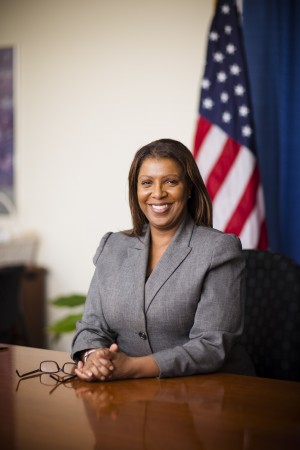
These larger concerns are the subject of an ongoing investigation by New York Attorney General Letitia James. She has assigned Galen Sherwin, a former American Civil Liberties Union lawyer, as special counsel for reproductive justice, to pursue the inquiry.
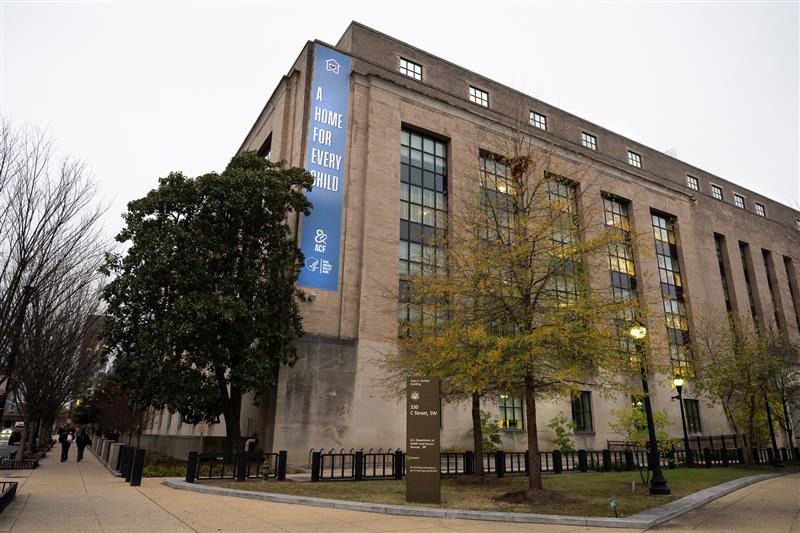
Sherwin’s Oct. 24 letter sent to another New York health care provider — Garnet Health Medical Center of Orange County — reveals the office’s broad concerns. In the letter, submitted as evidence in the Kuzdale case, state attorneys seek extensive documentation from Garnet.
It states that the attorney general’s office “has received information indicating that Garnet Health Medical Center has subjected pregnant and birthing patients to medically unnecessary drug tests without their knowledge or consent,” and later reported the results to the state’s abuse and neglect hotline.
Sherwin says the practice amounts to “illegal sex discrimination” under state law and jeopardizes the patient-provider relationship. It also harms patients and families, she added, “by leading to the separation of newborns from their parents in the first days of life, interfering with bonding and breastfeeding and causing government agencies to open unwarranted, invasive child welfare investigations.”
Kuzdale is white, but family separations following drug tests disproportionately affect Black women and babies, she and advocates emphasize, citing numerous studies.
Hospitals’ about-face
Officials with Garnet Health Medical Center did not respond to requests for comment. But last month, Politico reported that its hospital officials have pushed back on the extensive request for documents, calling the investigation a “fishing expedition” on behalf of a women’s rights “legislative agenda.”
The medical center nonetheless states in court documents that it has issued a new policy, and no longer conducts routine toxicology screens on obstetric patients.
In an email to The Imprint, the state attorney general’s office confirmed its ongoing investigation, but would not provide further comment. Thus it’s unclear how many, if any, additional healthcare providers are being asked for records related to perinatal patients and their newborns.
Kuzdale lauds the broader inquiry and is supporting parent activists’ efforts to lobby for systemic change. She said Kaleida Health changed its policy of non-consensual testing and now “acknowledges that they knew what they did was wrong.”
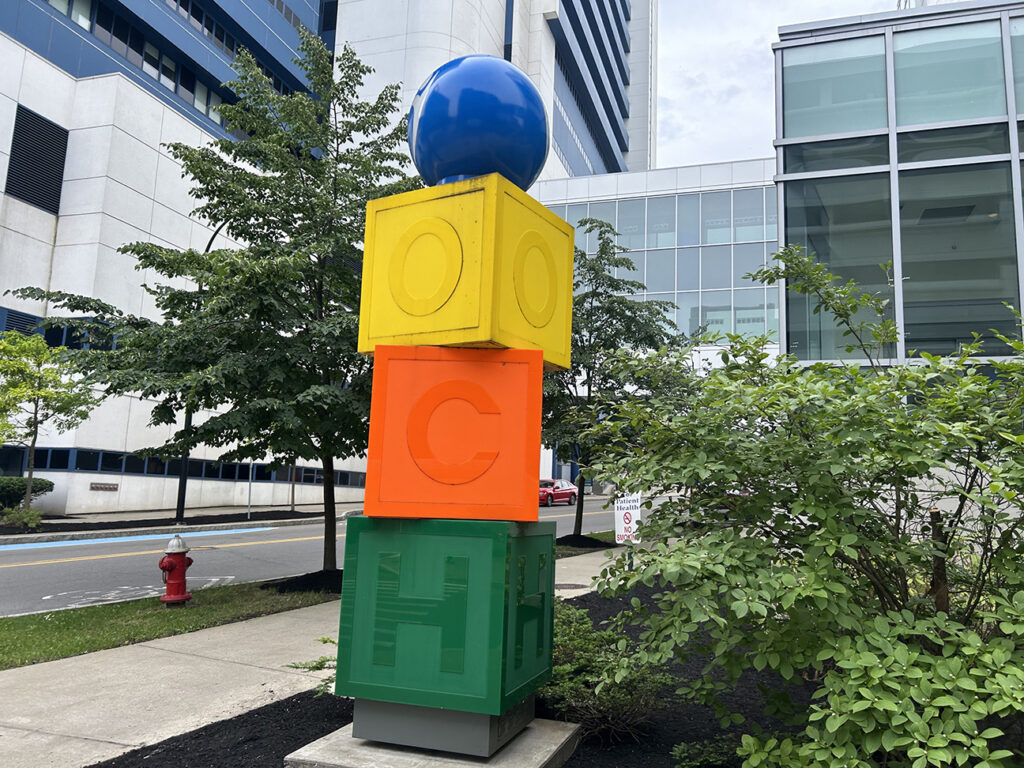
The Buffalo News article reported that the policy change took place roughly two years ago, in an interview with Oishei Children’s Hospital President Dr. Stephen Turkovich. The exact date the policy was changed is unclear. According to the article, tests may still be performed after patients are asked about substance use and give consent, but they do not automatically trigger a call to CPS.
“It is very likely that a gross violation of patients’ rights was perpetrated against thousands of women and their families, many of them people of color and underprivileged — not just me,” Kuzdale said in an email. “Hopefully, the New York State Attorney General’s investigation will uncover the breadth of this hospital’s unethical practices, lead to a change in their leadership, force an atonement to the victims and hold the responsible parties accountable for their actions.”
Other poppy seed cases
Pregnant patients consuming poppy seeds and testing positive for opiates are one extreme example of the hazards of indiscriminate drug testing. But they have appeared in multiple states. The New York American Civil Liberties Union and the activist group Pregnancy Justice brought similar complaints against Garnet Health in 2021. Those cases are currently under review in the administrative courts.
Two New Jersey mothers who allegedly consumed poppy seeds before giving birth are suing Hackensack University Medical Center and Virtua Voorhees Hospital over their drug-testing practices, which the women claim violate New Jersey’s anti-discrimination law on the basis of sex and pregnancy. Their cases are also pending in administrative courts.
Attorney Miriam Mack, who directs family defense policy for the nonprofit Bronx Defenders, said the attorney general’s investigation into the matter is “long overdue.” Her firm, along with other New York advocates for children and families, has created the Informed Consent Coalition, a group fighting testing practices in hospitals that disproportionately affect people of color.
Yet even when mothers are triumphant in individual lawsuits, there is much that can never be recovered, said Pregnancy Justice’s Senior Staff Attorney Emma Roth, who is among those suing Garnet Medical Center.
“They can never undo the trauma they faced or give back those early hours, days, weeks or months with their newborn,” she said. Roth’s group is fighting for policy change “so that this does not continue to happen to other patients.”
Substance abuse not necessarily child abuse, officials say
Increasingly, state and local officials agree that the practice is unfair.
In 2020, following a series of public hearings and growing outcry over non-consensual drug testing, New York City required its public hospitals to receive written consent before drug testing new and expectant mothers.
Mitchell Katz, president and CEO of NYC Health + Hospitals. said the new directive sought to treat substance use disorders “as medical conditions, not moral problems.” Shortly after, the city’s Commission on Human Rights launched an investigation into whether the policies and practices of three private hospitals discriminated against Black and Latina mothers. A representative for the commission said the investigation is ongoing.
The following year, state officials weighed in, with the New York Department of Health advising heads of hospitals and birthing centers that “substance use alone is not an indicator of child abuse, maltreatment, or neglect.” Officials called for the health care facilities to obtain informed consent before assessing a patient for substance use, specifying that “written consent is recommended prior to toxicology testing.”
They also cautioned that “suspicion of drug use, which can be influenced by implicit and explicit bias, is not a medical basis for toxicology testing,” and noted research findings showing how such bias can negatively affect patient-doctor relationships.

Hospitals are encouraged to report parents when there is “reasonable cause beyond substance use” to suspect that a child is at risk of abuse or neglect. But in a phrase echoed in the attorney general’s letter, they added that “substance use alone” is not sufficient evidence of parental maltreatment.
Legislation now before state lawmakers proposes a broader fix.
Assembly Bill 109B would apply to non-emergency cases and require verbal and written consent from pregnant and postpartum patients before hospital staff can test for drugs, cannabis or alcohol. Under the proposed law, sponsored by Rep. Linda Rosenthal and Sen. Julia Salazar, patients would also have to provide consent for their infants to be tested.
Gov. Kathy Hochul’s executive budget included such a change in January, but the provision was not included in the final enacted budget.
Tragic incident inspires action
Kuzdale’s CPS saga began with a stop at Tim Hortons Café & Bake Shop in Angola on the morning of July 27, 2020, before her gynecology appointment. She ate three “Everything Bagel Bites,” court records show.
Shortly after, Kuzdale’s gynecologist tested her urine for infections and kidney function and recommended she be induced that day at Oishei Children’s Hospital because her baby’s heart rate was low. After arriving at the hospital, she alleges staff conducted a urinalysis and blood draw “without informed consent, without a medical release, without medical necessity, and without an emergency basis,” court documents show.
A day after she gave birth, a hospital social worker told her she had a “presumptive positive” test for opiates. Kuzdale immediately told hospital staff she had eaten poppy seeds for breakfast, and she implored them to make sure the sample with another patient hadn’t been swapped for hers, she said.
She “showed no signs of drug use or impairment” and her newborn tested negative for drugs and “showed no signs or symptoms of withdrawal,” according to court records. Yet the hospital refused to retest her.
During her stay “plaintiff was in fear for her own safety lest anything she said or did be misconstrued,” Kuzdale’s lawsuit states, “and for the safety and treatment of her Child should she be forced to leave her in the hospital, without essential breastfeeding and nurturing, which is recognized as being critical to the early mother-child bonding.” Once she and her husband were finally released with the baby, CPS investigators showed up minutes later at their door.
It took roughly two months before the maltreatment allegations were deemed unfounded, Kuzdale states.
In addition to the lingering impacts of the traumatic separation from her newborn, her overprotective feelings have affected her relationship with an older daughter, her husband and other family members, she says.
“The accusatory nature of the investigation and the invasion of Plaintiff’s home left her fearful to answer the door when someone rang the doorbell for fear someone was going to take her child,” her lawyers state.
What’s more, Kuzdale, who has a master’s degree in social work from the University at Buffalo, says her livelihood will be impacted. As a result of the CPS report, her name has been placed on the state’s registry listing those accused of abuse and neglect, where such reports can remain for as long as 10 years.
“Who is going to hire a social worker on the state central register?” attorney Becerra asked the judge on Friday.

Stories like these take time and many resources to produce. We can’t do this without support from our community. Donate today – any amount makes a difference.