A childhood with no voice, no say in where or who you live with — relatives or strangers. No one to sign you up for choir or chess club. Feeling discarded when you’re too old for foster care. Bouncing between households, group homes and schools, and lost in a child welfare system where it feels like no one is ultimately accountable.
These are some of the reflections released today in a sweeping and often emotionally charged 86-page report by the Minnesota nonprofit Foster Advocates.
The report, titled MN Promise, is unique in that it was spearheaded and produced by former foster youth. It takes glaring aim at the “promise” the state makes when it removes a child from its parents and home — on the premise that the system can provide better care.
“It is a promise the state struggles and, too often, fails to keep,” states the report. “All Minnesotans have a collective responsibility for the child welfare system, but Fosters live them, and when that system is failing them they are suffering and unsafe.”
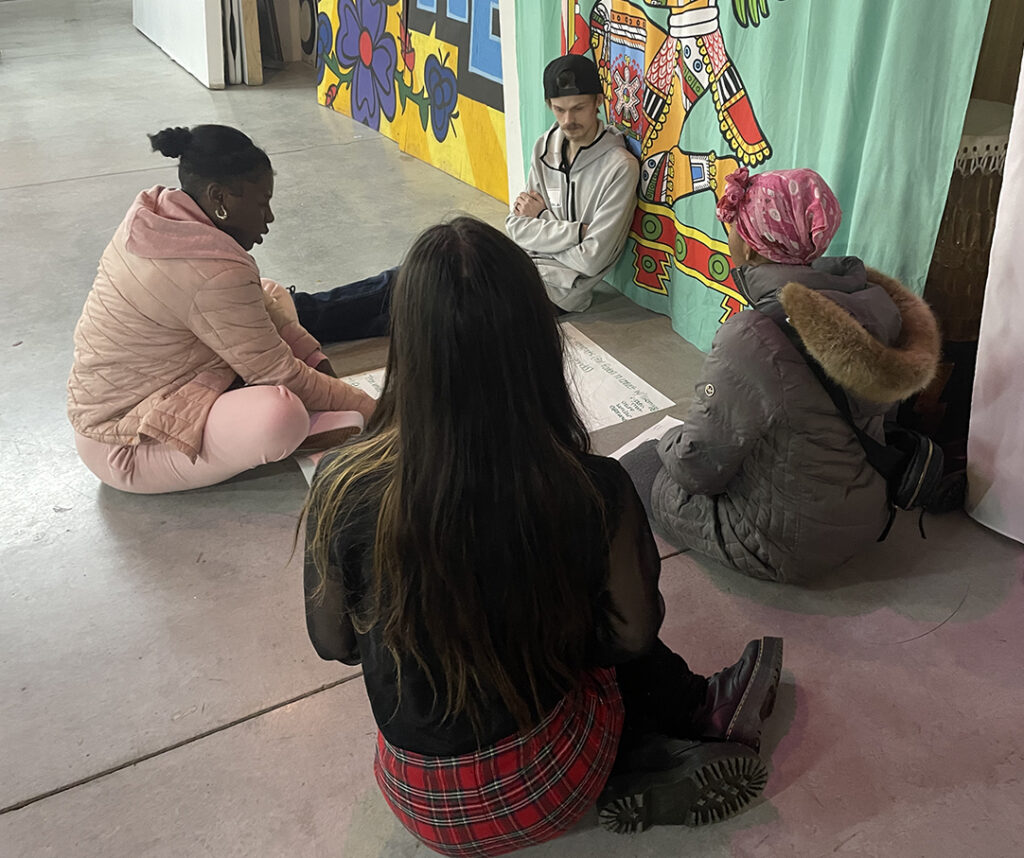
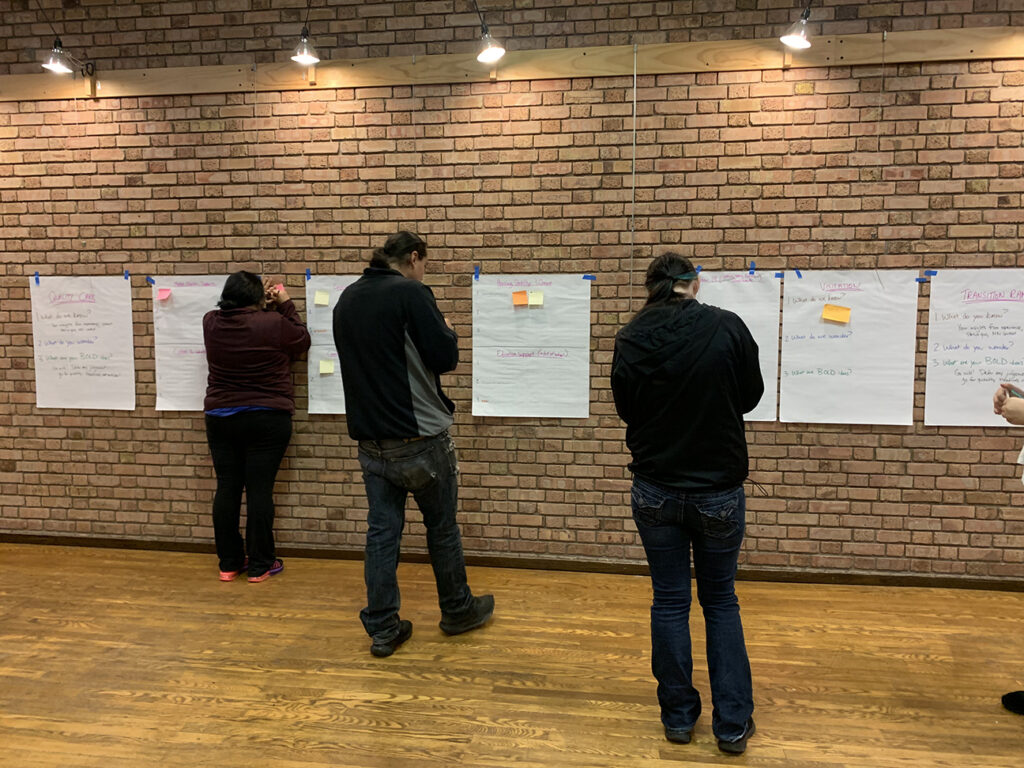
The report also lays out alternatives: a 10-year vision to address high rates of homelessness, teen pregnancies, mental illness and high school dropout rates. The conclusions are drawn from statistics, 11 in-person focus groups and three virtual sessions held statewide between 2022 and 2024, and incorporates the views of 122 foster youth. More than 70% of contributors are people of color, and almost one-third have a disability or identified as LGBTQ+ and Two-Spirit — a broad reflection of foster care in the state.
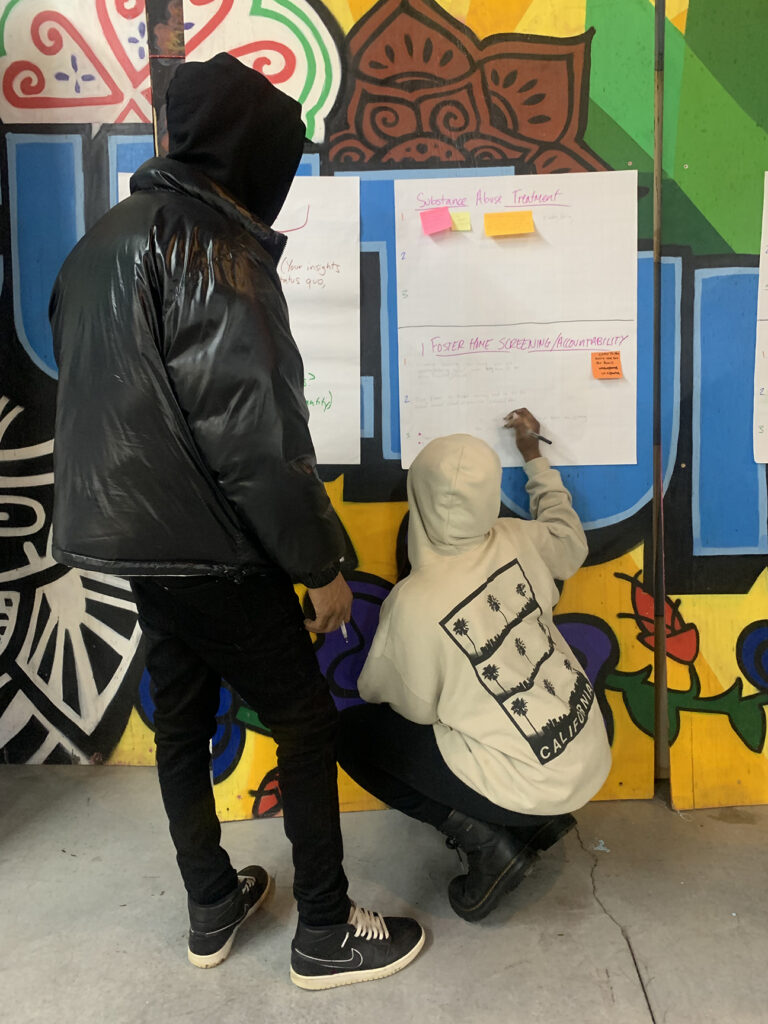
Their views reflect a common yet largely overlooked experience among foster youth of not feeling like they belong, and missing out on being a “normal kid.” Those challenges included playing on sports teams when there’s no extra money for uniforms or reliable rides to practices and games. They spoke of a lack of regular dental care and difficulty making friends or having sleepovers because of frequent moves. As they age, many have not been taught basic life skills like cooking, maintaining a car, renting an apartment or applying for a job.
“We’re not allowing this to happen anymore to future generations of fosters down the line,” said Dez, a 25 year-old committee member who asked to be identified by first name only for privacy reasons. She said the report highlighted many “detrimental moments of my life in foster care that were ignored.”
Dez was taken from her birth mother at age 1 along with her sister, and spent four years in foster care before they were both adopted into a home, where she said they were physically and emotionally abused.
“The system thinks we got them adopted so they’re good and we no longer have to do anything — and that infuriates me,” Dez said. “You didn’t check on our mental health, you didn’t check on whether the adoptive parents are fit.”
Despite visits at their adoptive home from child protective services over the years, she said nothing was done to protect them.
“I don’t remember once in my life having an adult coming up to me saying, ‘How do you like this home?’”
Thursday’s report comes roughly two years after Foster Advocates successfully lobbied for Gov. Tim Walz to hire the state’s first-ever ombudsperson for foster youth and to provide them with tuition-free college educations.
It notes ongoing challenges as well: Half of the former foster youth interviewed had been homeless in the recent past. In some counties, foster homelessness rates were as high as 80 percent.
The report describes Minnesota’s racial disparity rate as one of the highest in the country, with Native American children 16 times more likely than their white peers to be placed in foster care. Biracial children are 8 times as likely and Black children twice as likely to enter foster care, it states.
The youth-driven path for change quotes heavily from the experiences of former “Fosters,” as the group describes them. They detail the difficulties of being separated from siblings, placed in homes with foster parents of different races, forced to take birth control or psychotropic drugs against their will, and moved around until they “age-out” with few resources — often without a driver’s license, bank account or understanding of how to navigate living on their own.
Foster Advocates staff and a data analyst wrote the sections of the report that reflect the views expressed in meetings. A committee of former foster youth decided what topics and which stakeholders to address, giving input on various drafts.
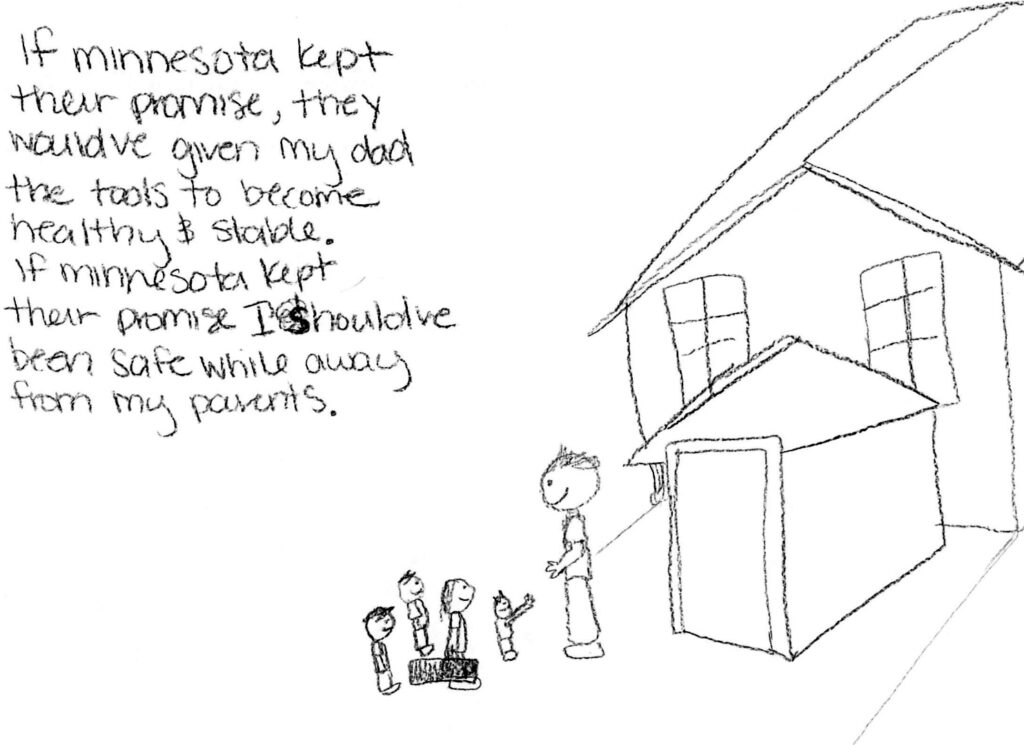
A woman identified as Deddtrease was among them. She entered foster care at the age of 14 and stayed until she aged out of the system. The 26-year-old single mom said the report highlights the “mistreatment and underlying problems that nobody sees that we have to live with for the rest of our lives.”
In her case, “I wish they would have left me with my mother,” she said. “They exposed me to more trauma than what I was going through at home.”
The far-reaching report also touches on the difficulty accessing medical care and education after life in foster care, and frequent overlaps with the law. Almost 40% of study participants had experienced the juvenile justice system.
The report points to promising practices in other states that include “health care passports” to ensure access to medical records through multiple moves; caseworkers trained in keeping sibling groups together; and reunification services for families when children return home from foster care. It describes heartfelt experiences and data-driven suggestions for every adult who intersects in a foster youth’s life, including kinship caregivers, frontline caseworkers and foster and adoptive parents.
Their wide-ranging suggestions also include having older foster youth serve as mentors, holistic therapies that don’t involve medications, lifelong housing vouchers and mandatory tutoring.
The state’s Foster Youth Ombudsperson Misty Coonce and Deputy Ombudsperson Hannah Planalp both attended committee sessions while the Foster Advocates report was being researched, and said their office is reviewing the suggestions in the report to see where they can take action.
State Rep. Esther Agbaje told The Imprint the state has a moral obligation to do more than provide basic services.
“We must create pathways for these young people to not just survive, but to build meaningful, self-determined futures,” she stated in an email, adding that her office is eager to work with youth and local agencies on issues outlined in the report.
Contributors call it “a living vision that we know will grow over time,” describing their plan as “a call to action, not just a catalog of harms.”
For her part, Deddtrease said she still struggles with the traumas of being in foster care, but she described working on the report “as a healthy way of dealing with it and putting my pain into making a change.”
“With the report we built, I hope we can save more of our future youths,” she said.
Fellow committee member Cherokee Ramirez, 25, who is pursuing a degree in psychology, agreed.
“These kids need to know they can be whatever they want to be. Their pasts don’t define them,” Ramirez said. “We need help creating the foster system that these kids are promised when they are taken away.”