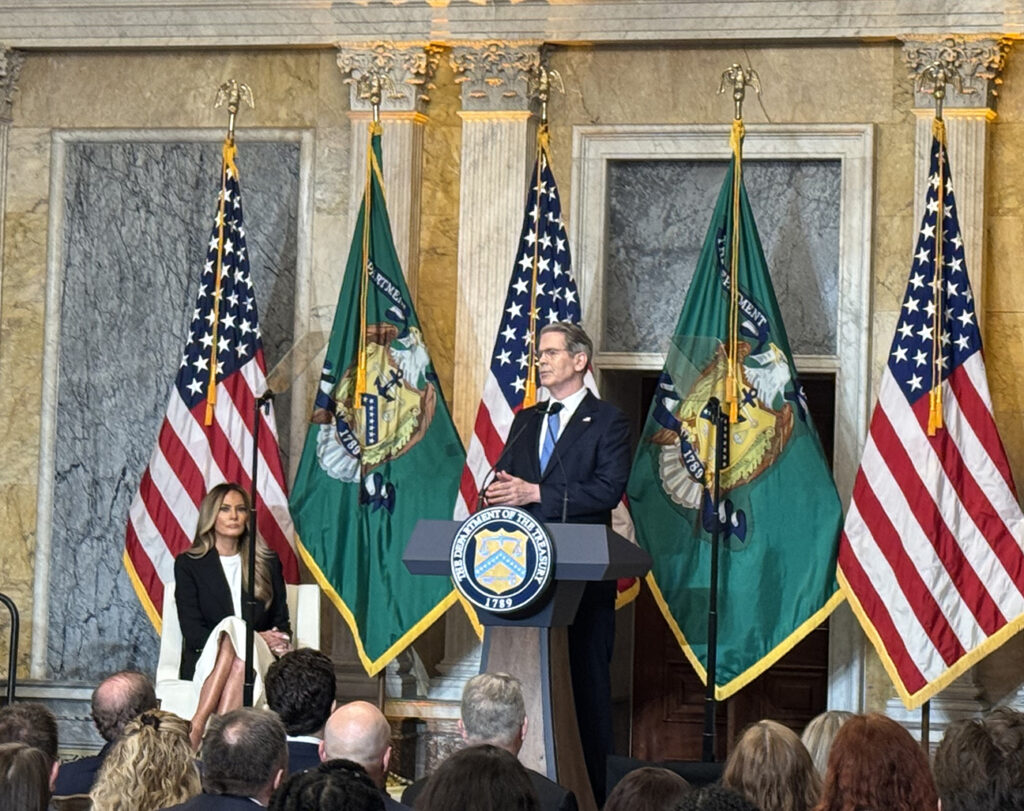
At a gathering of state and federal officials in the U.S. Capitol this summer, former foster youth Ivy Smith described the rocky path she traveled through higher education to earn three degrees from Boise State University.
She recalled the foster mom who couldn’t drive her to college prep classes, having to argue in family court about living on campus before turning 18, and losing her caseworker as she aged out of foster care during her freshman year.
Smith, who now works as a policy advocate for Idaho Voices for Children, then noted another more subtle but just as difficult hurdle: the low expectations others had for her success because she was a foster youth.
“For years I was told my odds of success were low, and they used to be so impressed with me for achieving the bare minimum, like graduating from high school,” she said at the hearing for the Senate caucus on foster youth. “I’m standing here before you all, sharing my story not because the foster system worked, that it did its job. Rather, I think it was a combination of sheer luck and my desire to prove everyone wrong.”
Smith’s experience is common, and underscored in a recently published study.
For years, government agencies, nonprofits and news outlets have relied on a bleak, decades-old statistic that only 3% of foster youth graduate from college. But in a comprehensive review of 17 more recent studies, University of Connecticut Associate Professor Nathanael Okpych and his co-authors found the rate is as much as four times higher. Often, it just takes foster youth a few years longer than their peers to get college degrees.
“For years I was told my odds of success were low… I’m standing here before you all, sharing my story not because the foster system worked, that it did its job. Rather, I think it was a combination of sheer luck and my desire to prove everyone wrong.”
— former foster youth Ivy Smith
The review of studies between 2000 and 2023 found that college enrollment rates for foster youth ranged from 29% to as high as 64%. Between 8% and 12% earned a post-secondary degree by their mid-to-late 20s.
In comparison, 49% of all young adults between ages 25 and 29 complete a degree, according to federal data analyzed by Okpych and his coauthors.
The findings were published earlier this year by the peer-reviewed journal of the American Educational Research Association, AERA Open. The authors reached their conclusions by scouring nearly 3,000 studies, and then narrowing them to the strongest and most relevant 17. Most had been published in the past five years, rendering obsolete the 3% graduation statistic.
That earlier figure, based on a small, dated sample that did not include two-year associate degrees, “is routinely misquoted in programs and publications,” Okpych states.
The researchers’ new findings “offer policymakers a more accurate picture of how youth with foster care experience are doing in school and college,” Todd Lloyd, senior policy associate for child welfare at Annie E. Casey Foundation, said on the foundation’s website. “The data show progress, but they also reveal large gaps compared to the general population.”
To rectify this, researchers like Okpych and foster youth advocates call for flexible financial aid policies, expanded tuition waivers and more reliable funding for campus support programs.
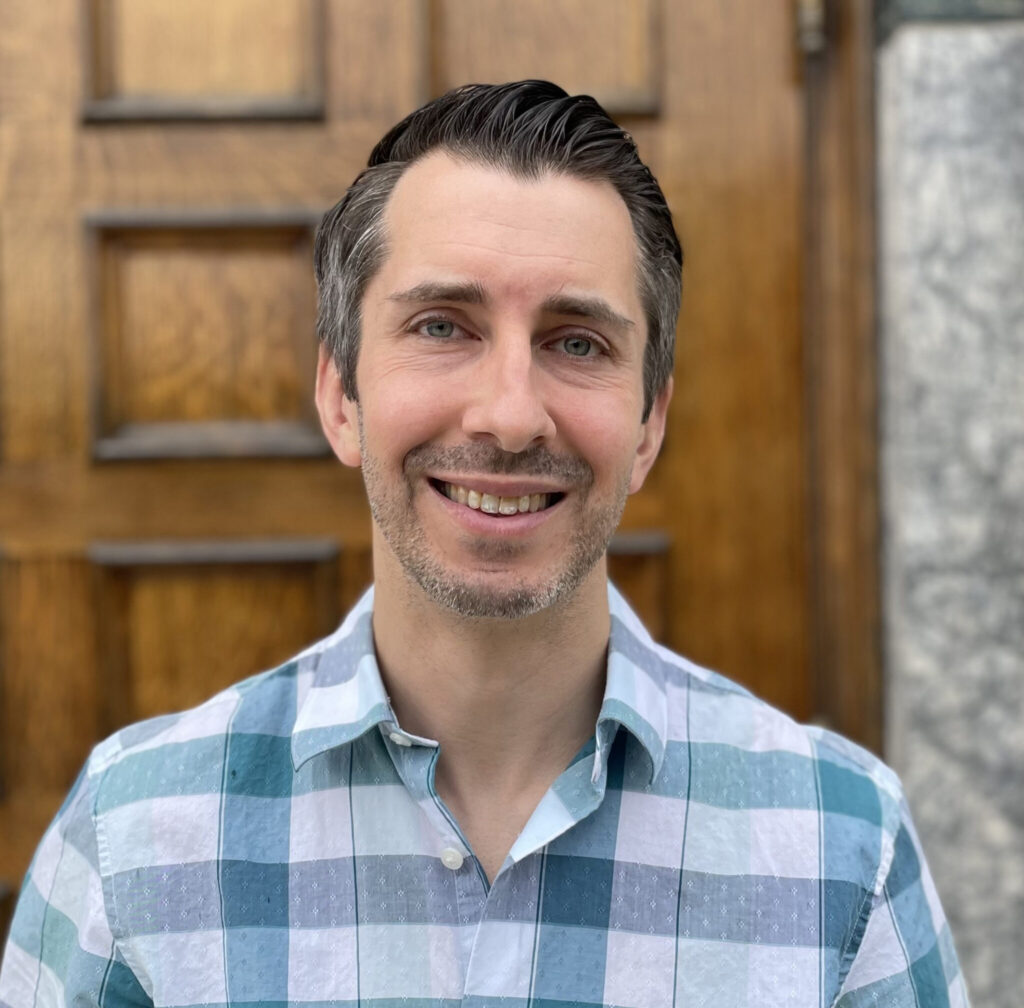
Okpych’s varied career posts in education include middle school teacher, high school therapist and college residence director. He also worked with many foster youth as a counselor at a residential treatment center. He is the author of “Climbing a Broken Ladder: Contributors of College Success for Youth in Foster Care.” Published by Rutgers University Press in 2021, it explores how to improve foster youth’s educational outcomes.
In an interview with The Imprint, Okpych urged policymakers to address the glaring gaps he and his AERA Open review coauthors identified in both research and data on this topic, as well as the gulf in graduation rates that persists between foster youth and their non-foster peers.
The following has been lightly edited for clarity and length.
What are the most important lessons from your research that you want the public to consider?
There are certainly gaps between students with experience in foster care and their peers who haven’t been in foster care.
But there’s also tremendous opportunities to close those gaps. For example, one of the things that you hear a lot from interviews with young people is that by virtue of going through the foster care system, they develop a resilience and a grit that only comes through going through really difficult situations.
But by the same token, the experiences leading up to foster care and in foster care have also created some significant barriers. That’s really where policies and programs can come into place — to draw on that grit that they have, and fill in gaps around it.
Your research shows foster youth graduate at higher rates than previously believed — but that it takes them longer than four years, sometimes as many as six or seven years. What is the message policymakers and child welfare leaders should take from this?
We have to break out of this mold of the four-year timeline for foster youth college.
A lot of young people in foster care — look at the enrollment rates — they’re going to college.
Some of them are navigating relationships with family members that can be pretty complex and have a lot of conflict. A lot of them are just trying to survive and live on their own, and trying to keep food on the table and a roof over their head and do well in school.
And so it takes a little bit longer than four years to graduate.
Are there any states or programs you would point to as models for how to support foster youth on college campuses?
One program that sticks out is Western Michigan University’s SEITA Scholars Program. It provides a well-rounded wraparound experience for students.
They do a lot of activities that try to get students not just acquainted with a program, but to bond as a cohort — to make the program feel almost like a family within this much larger institution, where being in foster care is not something that students have to be ashamed about but something recognized and celebrated.
The program does try to keep the staff-to-student ratios low. Especially in the first year, college hits you like a wave for many of these students. And just a lot more hands on, regular support is needed to help students acclimate to college, pick their courses, just learn how to do college. That’s something that a lot of programs struggle with — they just don’t have the funding to have small caseloads for staff.
Your study recommends that federal policymakers audit school policies that disadvantage foster youth. What are some examples?
One that really sticks out — just because so much financial aid and your standing at the university is based on it — is “satisfactory academic progress.”
A young person comes in, they have a rough first semester, they’re on probation. They may not be dismissed from financial aid at first, but very soon after, they will be. They could even be dismissed from the school.
Whereas if they were given a little bit of extra time just to find their footing to figure out how to study and do well in college, then they would succeed. But it’s like the carpet’s being pulled out from under them. Not only are they struggling academically, but now all their funding is gone and it could be like a house of cards where everything falls down at once.
What kind of advice would you give caregivers and school guidance counselors on how they can help foster youth?
Don’t give up.
You might have to be a little bit more persistent with this student than other students because they’re used to people coming in and out of their lives. And they’re used to disappointment. Even if they’re trying to push you away, stick with it.
The second thing is, once you have that kind of relationship and trust, it’s really important to listen. A lot of young people that I’ve talked to said they had the experience of going through foster care and they just felt like other people were making decisions for them and controlling the direction of their life.
And then the third thing really is for people to get educated about what resources are out there that could help them on their path.