Two years after its inception, Minnesota’s first Office of The Foster Youth Ombudsperson officially opened today, welcoming the thousands of young people in the state’s child welfare system. A team of four full-time staffers vows to seriously consider and investigate any claims of mistreatment.
“For the first time, fosters in Minnesota will have a state office whose primary directive is to improve the system for them,” state Ombudsperson Misty Coonce told The Imprint. Anyone with concerns can approach the office, and it will respond with information, resources and referrals, she said. “But all inquiries — especially those from foster youth — will be taken seriously and investigated, if necessary.”
Ada Smith, 25, a former foster youth who lobbied lawmakers to create an ombuds office for the state, said she has high hopes.
“An office like this will strike fear in the people who work with foster youth for wrong and potentially dangerous reasons,” Smith said. “This is the chance that Minnesota’s forgotten youth can be heard and seen again.”
The official opening of the Office of the Foster Youth Ombudsperson now includes various ways to contact staff, and virtual support through the website. Its homepage is splashed in rainbow colors and leads with a Merriam-Webster definition, along with the pronunciation: “Om-budz-per-son.” On the site, a bold blue button allows visitors to “Make a complaint online,” with options for anonymity.
Walk-in access to the headquarters in St. Paul has yet to be announced, but a team of employees who will serve as the watchdogs for Minnesota foster youth has been assembled. In addition to Coonce, the office now employs Assistant Ombudsperson Hannah Planalp and Intake Specialist Robin Purman, a former educator. Planalp previously worked as director of support programs for Foster Advocates — a youth-led organization that pushed to create the ombuds office. A 15-member advisory board began serving last November, and includes nine current and former foster youth serving alongside justice and other child welfare professionals. Tonia Lofton, a social worker who’s most recent work was with the Department of Human Services, will be joining the team as the team’s investigator by the end of the month.
“This is the chance that Minnesota’s forgotten youth can be heard and seen again.”
— Ada Smith, former foster youth
“We want to enable a no-wrong-door policy,” Planalp said. “We want people to reach out to us even if they’re not sure they should reach out to us. At minimum, we want to help get people to where they should be to address any and all questions or concerns they bring us.”
Early inquiries are expected to focus on how the office works and what types of responses youth can expect, but Coonce pledged that they will always be “careful and considerate.” Ombuds staffers said their early rollout reflects the message the office hopes to portray: as a welcoming place, down to the website design.
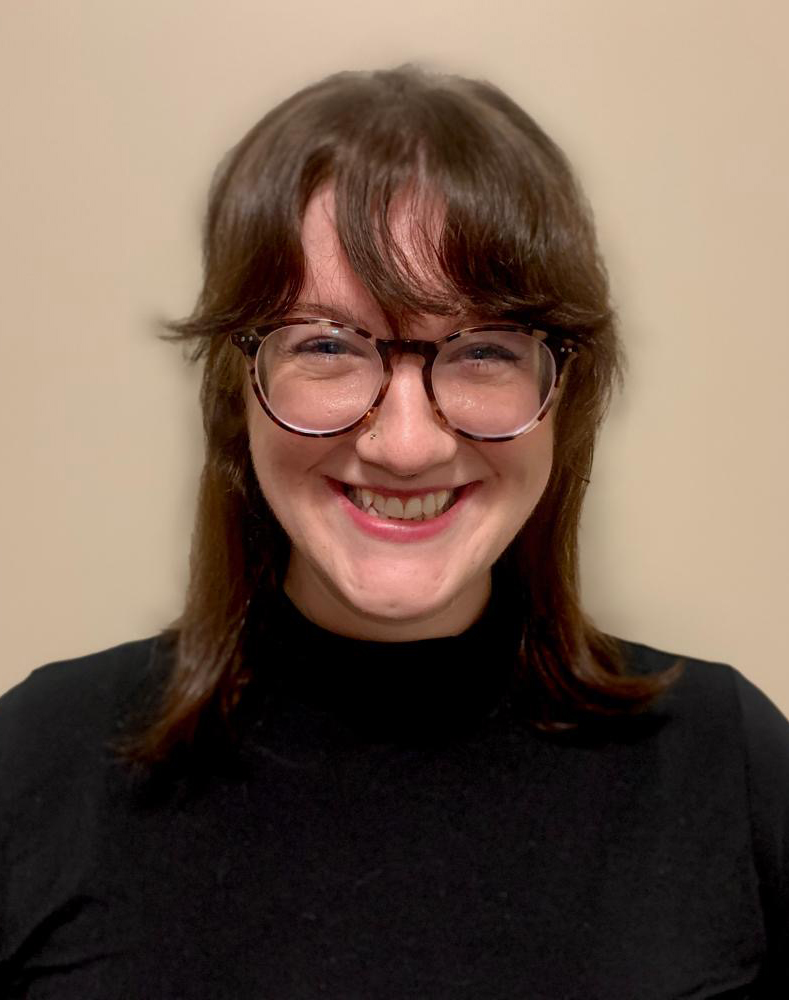
“A lot of government sites here are too similar,” intake specialist Purman said. “We wanted to branch out and make something unique, inviting and accessible.”
With today’s official opening, channels are now in place for complaints to be submitted online, phoned in or emailed to info.oofy@state.mn.us. Likely sources of concerns include the range of difficult experiences commonplace to children raised in government custody — problems at group and foster homes, services they’ve been denied, trouble with social workers or attorneys, or missed visits with parents or siblings. If there are specific policies youth want changed, the ombuds staff invites those suggestions as well.
Some cases will require further investigation. And in those cases, the ombuds office is an independent agency whose job it is to “consider all sides of a question in a neutral and objective way.”
The office has limitations. Among other things, staff cannot respond to emergencies, change court orders, fire social workers or change court orders. Unlike ombuds offices in other states, Minnesota ombuds staff also have no access to the state’s Social Service Information System that tracks individual child welfare cases, so they can’t use non-publicly available data to identify troubling trends or conduct investigations.
And sometimes, staff will help youth help themselves, Coonce said, such as advising them of important issues to bring up in court or to their attorney, and describing how grievance processes work.
Such support has been long awaited, a spokesperson for Foster Advocates said in an email. Members “dreamed of the day this much-needed office would open. From the composition of the board, to the ombuds staff — we are heartened to see Fosters have true representation. Witnessing the expertise of Fosters embedded at every level is reflective of the vision we had for the office when we led passage of this legislation two years ago.”
“I want fosters to be able to call or email for even the smallest issue, because sometimes that’s all it takes.”
— Assistant Ombudsperson Hannah Planalp
In Minnesota, plans for the office passed the state Legislature two years ago, with bipartisan support. At the time, Senate Republicans announced the need for the state watchdog agency.
“Foster kids in Minnesota do not currently have an avenue for intervention when they’re experiencing abuse or neglect,” Sen. Karin Housley stated in a press release. “There are also no organizations or entities that track complaints or concerns, demonstrating a clear need for oversight in the interest of the kids.” She added that the office would address “the need for kids in the system to be treated as kindly as we would treat them in our own homes.”
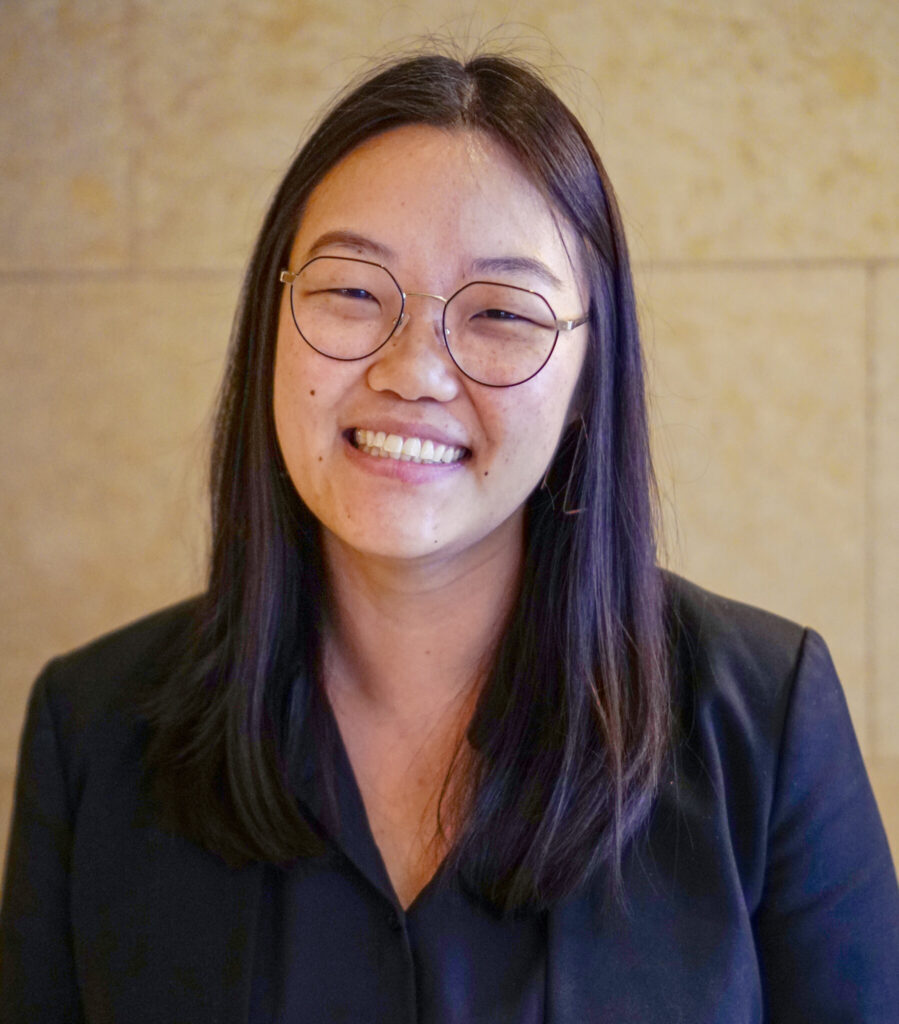
Now that it’s open, the office serves roughly 6,200 children and young adults through age 21. Its first-year budget is $842,000, and will be $759,000 for the 2025 fiscal year.
Assistant ombudsperson Planalp — who grew up in foster care in Glenwood Springs, Colorado, and experienced homelessness — knows firsthand the difficulty getting your needs met in government care. Yet she went on to attend the University of California, Berkeley, graduating with a bachelor’s degree in interdisciplinary studies. After graduation, her brother offered her a couch to sleep on when he moved to the Twin Cities, a region she came to call home.
In her new job, “I want fosters to be able to call or email for even the smallest issue,” Planalp said, “because sometimes that’s all it takes.”
She and her team are now holding online “learning sessions” for foster youth and others interested in the office, and to answer questions. The next sessions will be held May 13, with different sessions for those over and under 18.
Another ongoing effort is helping foster youth understand their rights, including access to government documents, schools of their choice, extracurriculars, privacy, connections to relatives and cell phone access. To that end, in recent months staffers have worked with Foster Advocates and community-based organizations to develop a Foster Youth Bill of Rights, aiming to codify its terms through the Legislature next year.
“Something that’s been on our minds since we started the office is making sure foster youth rights are upheld and being honored,” ombuds Coonce said. “When rights are unclear or lacking it makes our job very difficult.”