
New funding and resources for tribal child welfare services are headed to tribal communities across the country, following outgoing President Joe Biden’s signing of the Native American Child Protection Act.
The act amends and expands language in a similar law passed in 1990, principally by expanding the scope of an existing federally funded resource center that previously focused only on sexual abuse. Going forward, the National Indian Child Resource and Family Services will provide technical assistance to urban and rural communities to prevent and manage child maltreatment and family violence.
The new law, signed Dec. 23 after receiving bipartisan support, encourages “culturally appropriate treatment services and programs that respond to the unique cultural values, customs and traditions of applicant Indian Tribes.” It requires agreements between tribes and states to treat, investigate and prosecute family violence in Indian Country, and allows funds under the Child Protection and Family Violence Prevention Program to cover additional operational costs for child protective services.
Sarah Kastelic, executive director of the National Indian Child Welfare Association, praised the legislation, but noted it is only a start.
“It’s such an important first step, and now we need to put our shoulders into the work,” she said.
Kastelic added that the resources will “allow tribes to do this very important work around primary prevention that allows our programs to be so distinct from state programs.” Tribes, she said, “draw on the natural, nurturing networks of our community and the importance of extended family playing a role in keeping kids safe.”
Now that Congress has reauthorized these programs, Kimberly Cluff, legal director of the California Tribal Families Coalition, said this essential progress must continue.
“Back when that act was passed originally, there wasn’t this strong collective voice, there weren’t tribal leaders that were able to be in D.C. because our tribal leaders get pulled in so many directions,” Cluff said. “Now, I think there’s much more call for accountability of our federal and state systems.”
“Given the painful history of Native American children being removed from their families, this legislation will help Tribes provide services that reduce trauma and uncertainty for children.”
— Sen. Ben Ray Luján
The Congressional Budget Office estimates that implementing the Native American Child Protection Act will cost $423 million between 2023 and 2028, and an additional $135 million a year thereafter.
In related actions, in addition to passage of the Native American Child Protection Act, Biden has finalized rules about how Indian Child Welfare Act data is tracked by the federal government. He also signed the Protecting America’s Children by Strengthening Families Act, which reauthorizes and amends child welfare services that fall under Title IV-B of the Social Security Act to bolster funding and policies for tribal and state child welfare programs.
Biden made history by becoming the first U.S. president to apologize for the federal government’s role in Indian boarding schools. He called the era between 1819 and 1969 “one of the most horrific chapters in American history.”
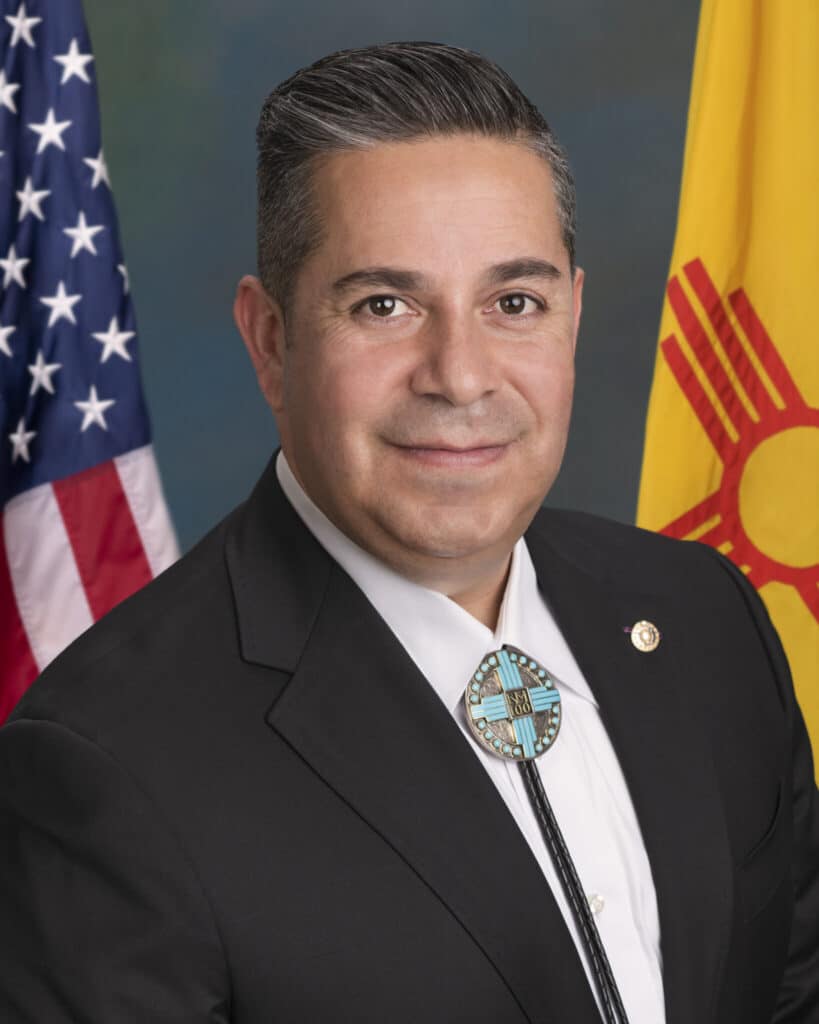
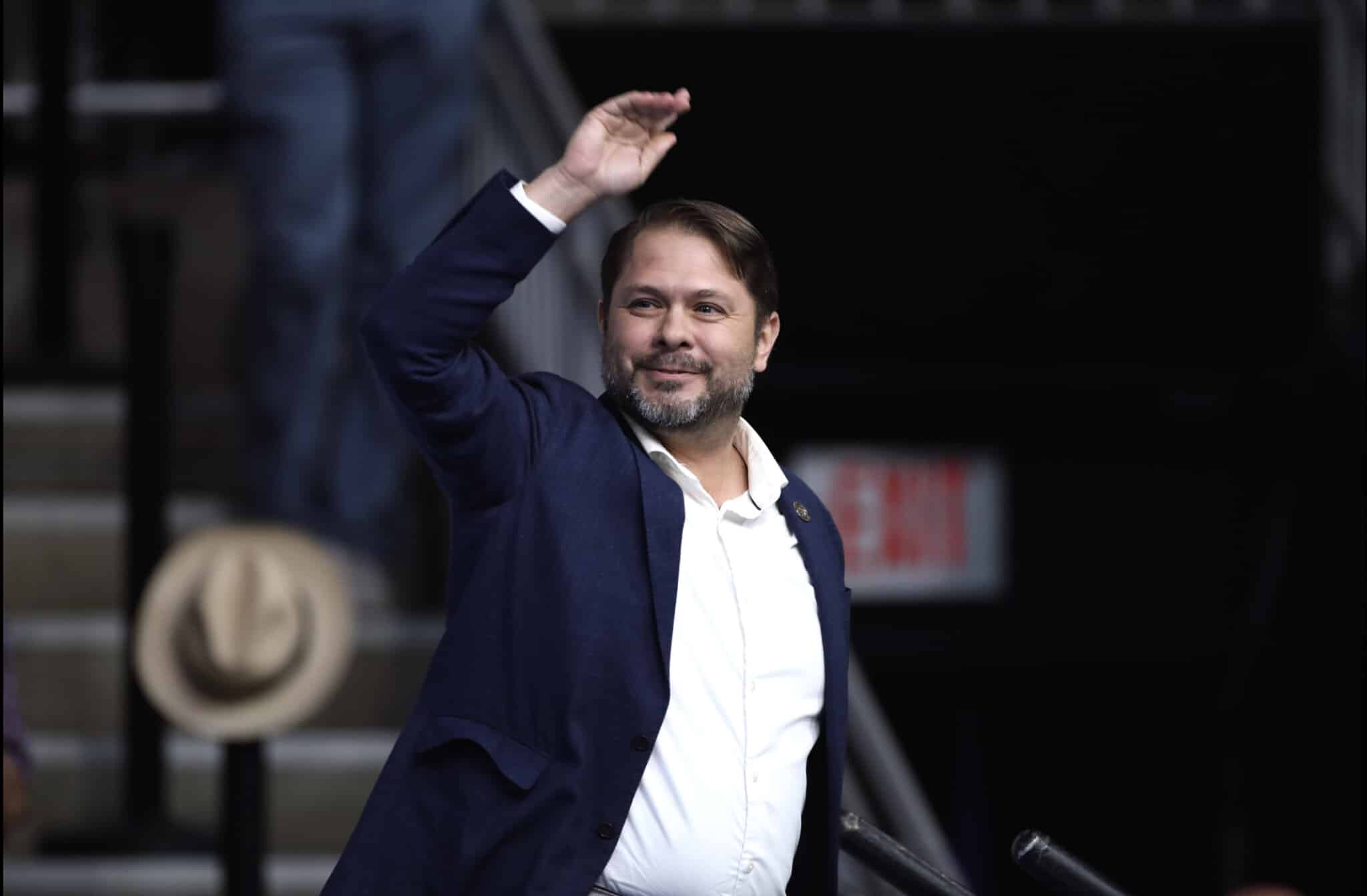
The Native American Child Protection Act, signed on Dec. 23, was introduced by U.S. Rep. Ruben Gallego, an Arizona Democrat and former chair of the Subcommittee for Indigenous Peoples who co-sponsored the House bill. A companion bill in the Senate was championed by Sens. Ben Ray Luján, a New Mexico Democrat, and Susan Collins, a Maine Republican.
“Given the painful history of Native American children being removed from their families, this legislation will help Tribes provide services that reduce trauma and uncertainty for children,” Luján, a member of the Senate Indian Affairs Committee, said in a press statement. “This is an important step toward justice and protecting our most vulnerable of children.”
The Native American Child Protection Act builds on a law that Sen. John McCain introduced in 1990 to assist tribes in dealing with child abuse and neglect in their communities. But that law, passed in Oct. 1990, was never fully implemented.
Cluff said reauthorization of these grant programs has been long-awaited, and they will be closely watched.
“Indian Country is watching and Indian Country is paying attention, and there will be ramifications if things aren’t done the way they need to be done and if tribal voices aren’t listened to,” she said. “There are a lot of folks who are excited about working with tribes now, and that wasn’t the state of affairs even a couple of decades ago.”