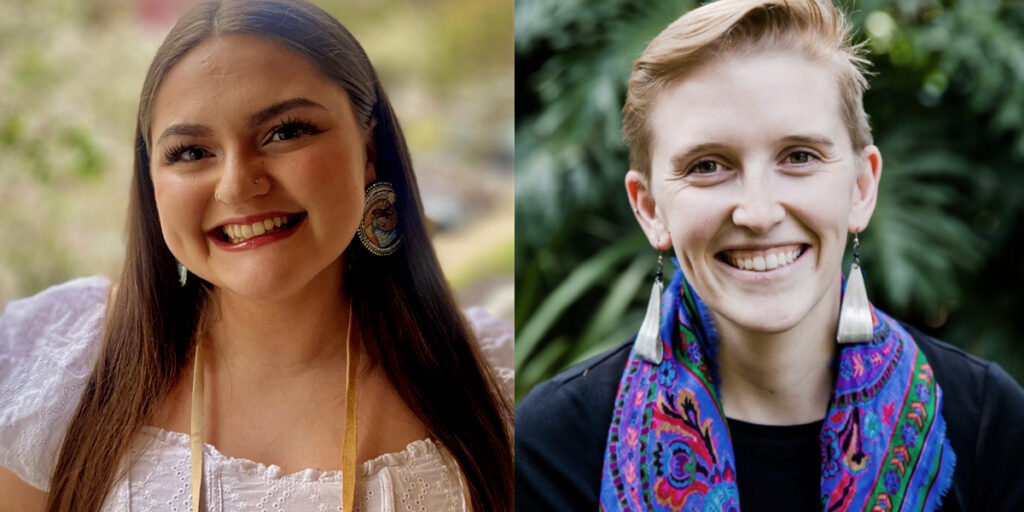
Hoping to inform child welfare agencies about what Indigenous children in foster care need most, the Center for Native American Youth is completing a survey that gives voice to the youth themselves.
The center’s staff say that Native youth are overrepresented in the child welfare system, yet underrepresented in conversations about their needs, which are closely linked to culture, identity and proximity to their tribes. The anonymous survey, titled Understanding Native Youth Foster Care Experiences, captured answers from current and former youth in several states and is believed to be the first of its kind, according to Programs Manager Katy Stewart. While it is a small-scale sample, the information has already been shared with at least one state child welfare agency.
“It’s about how we ethically involve youth who have the least power in the decision-making process,” said Roxy Sprowl, the center’s child welfare consultant and a former foster youth. “We can’t just make the youth responsible for uplifting their own voices when they’re not even being listened to by the stakeholders that need to hear it.”
The Center for Native American Youth is a national advocacy and education organization founded in 2011 that works alongside Native youth and young adults to improve their safety, health and well-being. It’s part of the Aspen Institute, an international education and policy nonprofit that focuses on leadership development.
More than 50 current or former Native foster youth responded to the online survey, which remained open until the end of July. The findings will be gathered into a report and used to develop training curriculum for Native American former foster youth interested in advocating for changes to child welfare practices, Sprowl said.
Do you have experience as an Indigenous CURRENT OR FORMER foster youth? Please E-mail nspears@imprintnews.org.
Several themes have emerged from the survey responses, said Stewart, who helps oversee the center’s youth programs. Respondents described feeling lost about their rights in foster care. They wrote about the need for child welfare workers to recognize the impact of historical harms on Native youth.
And they underscored the importance of including cultural teachings in child welfare practices, ensuring Indigenous identity is respected and supported in foster care placements.
“Cultural identity, connection to tribe and language, and being understood in our traditions are just as important as safety,’’ one young person wrote in initial results shared with The Imprint. “Many of us feel isolated or erased in non-Native foster placements. Adults need to listen to our stories and protect our connections, not break them.’’
“Youth have actually lived it, and can tell you what they need. We need to ensure their voice is heard to change these practices and policies.”
— Jacqueline Yalch, Isleta Pueblo tribe’s social services director
Another wrote: “Our connection to culture, land, and community is not optional — it’s vital. When those ties are broken by placement in non-Native homes or systems that don’t understand our identity, it creates deep, long-term harm. Too often, Indigenous youth in care are expected to adapt to systems that weren’t built for us — systems that have historically contributed to our displacement and trauma.’’
Stewart said many responses also revealed a common desire to know more about the Indian Child Welfare Act. Passed in 1978, the bedrock federal law known as ICWA requires that Indigenous children in state foster care be placed with Indigenous relatives whenever possible, among other provisions such as a requirement that “active efforts” be made to keep tribal families intact.
One youth wrote: “Since I lived in a city and wasn’t enrolled in my tribe, I didn’t know if ICWA applied to me and my siblings.”
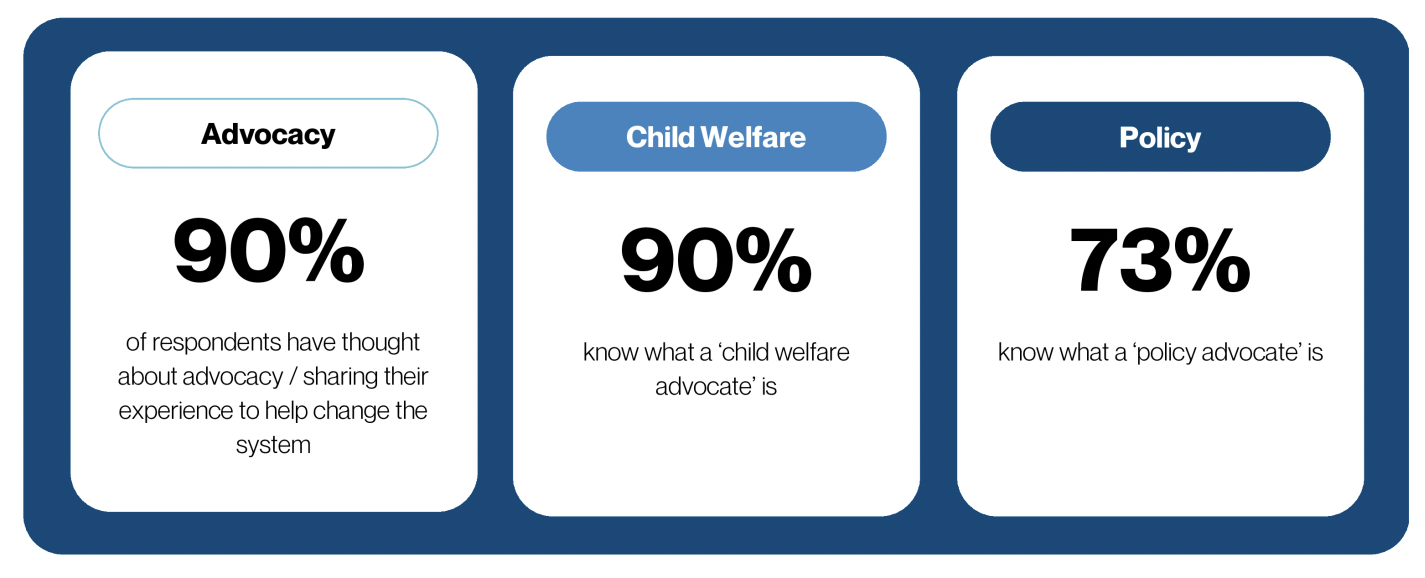
Another echoed a similar concern: “When I was growing up, I knew zero of what my rights were, I was more scared of the system than the abuse from home.”
Sprowl, a citizen of the Red Cliff Band of Lake Superior Ojibwe, said some of these experiences mirror her own. She was removed from her Indigenous mother and placed into Michigan’s foster care at age 5 and was in foster care for 13 years. She, too, wasn’t always aware there were laws that could have allowed her to grow up around her tribal people.
Along with her role as the center’s child welfare consultant, Sprowl is graduating this summer from the University of Michigan with a master’s degree in social work. She feels that social workers failed to take the extra steps they should have to reunite her family when she was in foster care.
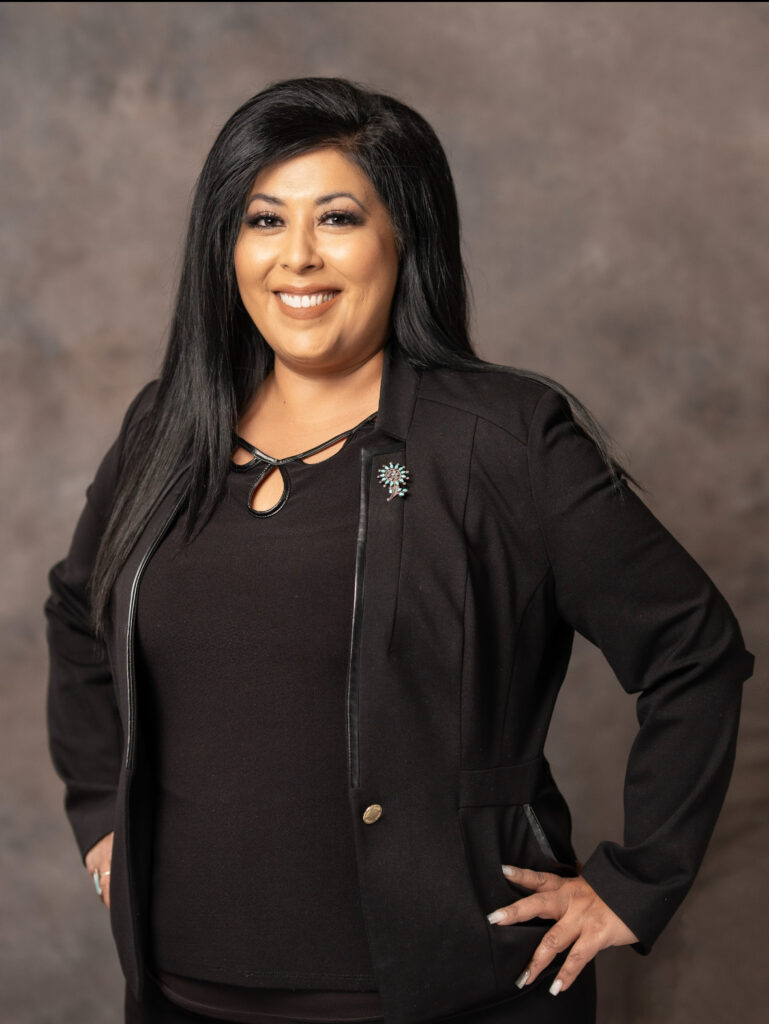
“My dad’s family was notified, but not my mom’s family,” Sprowl said. “One of my biggest priorities with ICWA is to emphasize that ‘active efforts’ doesn’t stop at the first grandparent you can find.”
The center recently shared the survey’s preliminary findings with some tribal and state child welfare employees.
Jacqueline Yalch, the Isleta Pueblo tribe’s social services director, said she sees a need to include Native youths’ voices in child welfare decision-making and thinks the survey will help.
“Youth have actually lived it, and can tell you what they need,” Yalch said. “We need to ensure their voice is heard to change these practices and policies.”