
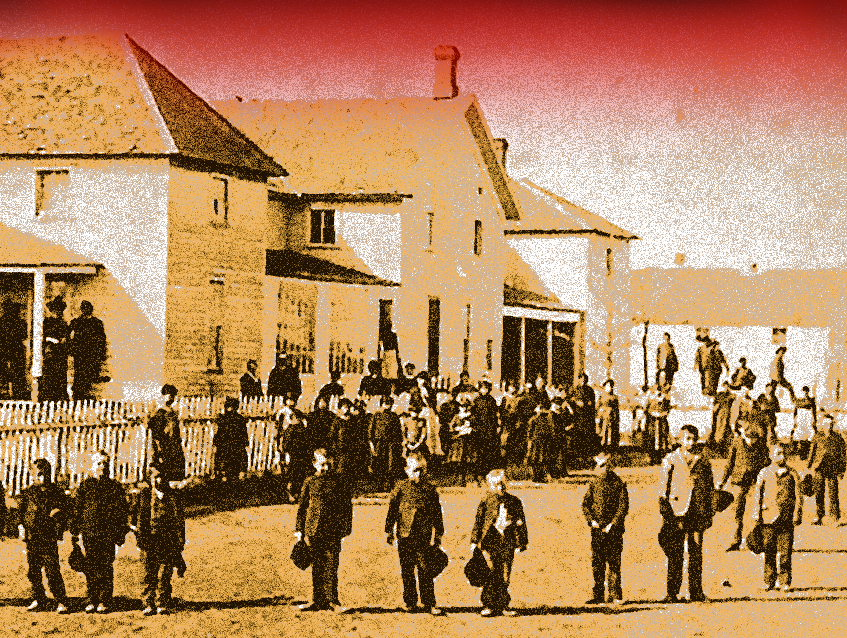
Indigenous researchers and archivists are working to minimize the impact from an abrupt federal funding cut late last month that targeted groups preserving the history of Indian boarding schools.
Numerous Native-serving organizations received identical letters stating that their National Endowment for the Humanities grants were being cancelled as part of the Trump administration’s dramatic scaling back of government spending — in this case, funds totalling $1.6 million.
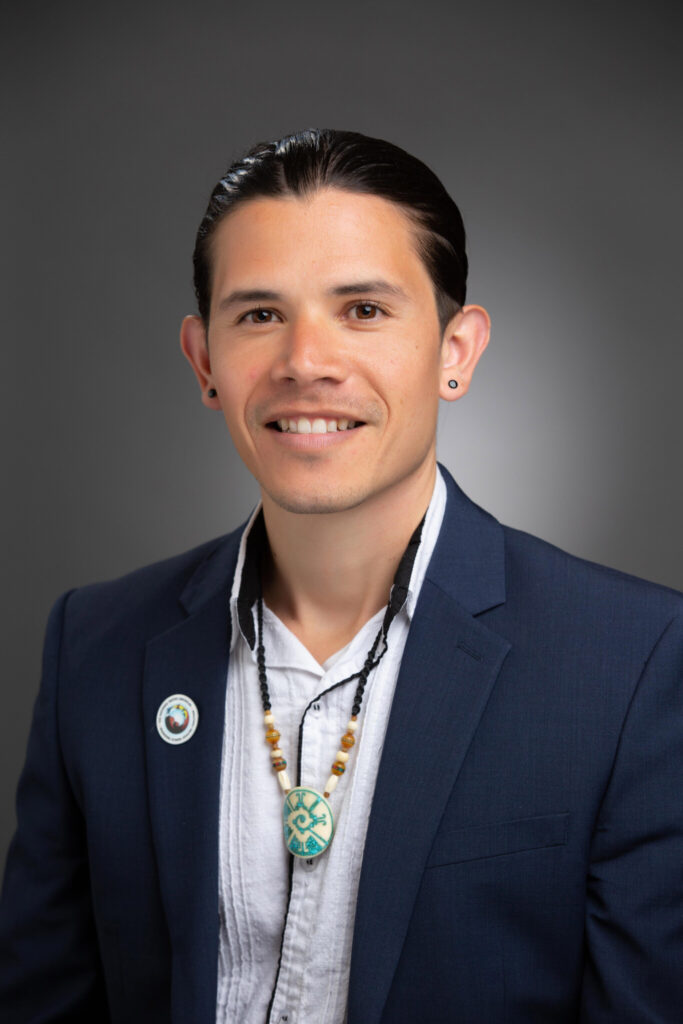
Each grant provided core funding to historical and cultural preservation projects. The Minnesota-based National Native American Boarding School Healing Coalition was among those affected, losing $283,000 in unspent funds. That was slightly more than half of a $500,000 grant the group had been awarded by the National Endowment for the Humanities, said the coalition’s Deputy CEO Samuel Torres.
After weeks of analysis and crafting creative approaches, the nonprofit’s leaders say the project — creating a digital archive of Indian boarding school records that are frayed and disappearing — is delayed, but will be able to be completed.
“We have time — those of us in the younger generations working toward effectuating those goals — but for our treasured elders, they may not. So the cuts directly hurt boarding school survivors seeking to have access to their documents, and their relatives’ documents.”
— Samuel Torres, Boarding School Healing Coalition
“With that funding pulled, our cataloguing backlog has swelled significantly, which means we are looking at a substantially longer amount of time before the materials we had planned on digitizing appear on the website,” Torres said.
The Boarding School Healing Coalition’s revenue includes donations from individuals and philanthropic foundations. Government funding comprises 57% of the nonprofit’s income, according to its 2024 annual report. The coalition is now seeking to fill the gap with other sources of revenue.
Indigenous nonprofits generally face unique funding challenges. According to a recent study by Native Americans in Philanthropy, less than 1% of philanthropic dollars explicitly benefit Native Americans. And Native-led organizations, like the boarding school coalition, only receive roughly half that funding.
Time is of the essence for the project to digitize records, pulled from universities, churches, and 526 former boarding schools that operated across the country between 1800 and the present. Because some of these physical records are hundreds of years old, they need to be digitally preserved before they degrade further.
The archive is already posted online and is regularly updated as records become available. But it is yet to be completed. The research team is still doing behind-the-scenes work to finish populating the database, including consulting with tribal nations before sensitive information is made public.
Once complete, the archives will include everything from students’ artwork and handwriting to documents detailing how the schools were run and letters between staff.
“We have time — those of us in the younger generations working toward effectuating those goals — but for our treasured elders, they may not,” Torres said. “So the cuts directly hurt boarding school survivors seeking to have access to their documents, and their relatives’ documents.”
The project has other funders besides the National Endowment for the Humanities, including the National Park Foundation and Minnesota Humanities Center.
“We’re going to continue full steam ahead with the resources we have, and apply our creativity toward how we fill that gap,” he said. “This work gets done whether or not the federal resources are available.”
The administration describes cuts to the National Endowment for the Humanities — an independent agency that awards grants to arts, culture and community-based projects — as improved efficiency.
An April 25 statement said the cancelled grants were “at variance with agency priorities, including but not limited to those on diversity, equity, and inclusion (or DEI) and environmental justice, as well as awards that may not inspire public confidence in the use of taxpayer funds.” All future awards, it continued, will be given to projects “that do not promote extreme ideologies based upon race or gender, and that help to instill an understanding of the founding principles and ideals that make America an exceptional country.”
National Native American Boarding School Healing Coalition board member James LaBelle, 77, said his organization will be able to pick up some of the slack through its other funding streams. But the scope of the work to digitize archives may need to be reevaluated.
“We’re going to have to rely more on other funders,” LaBelle said.
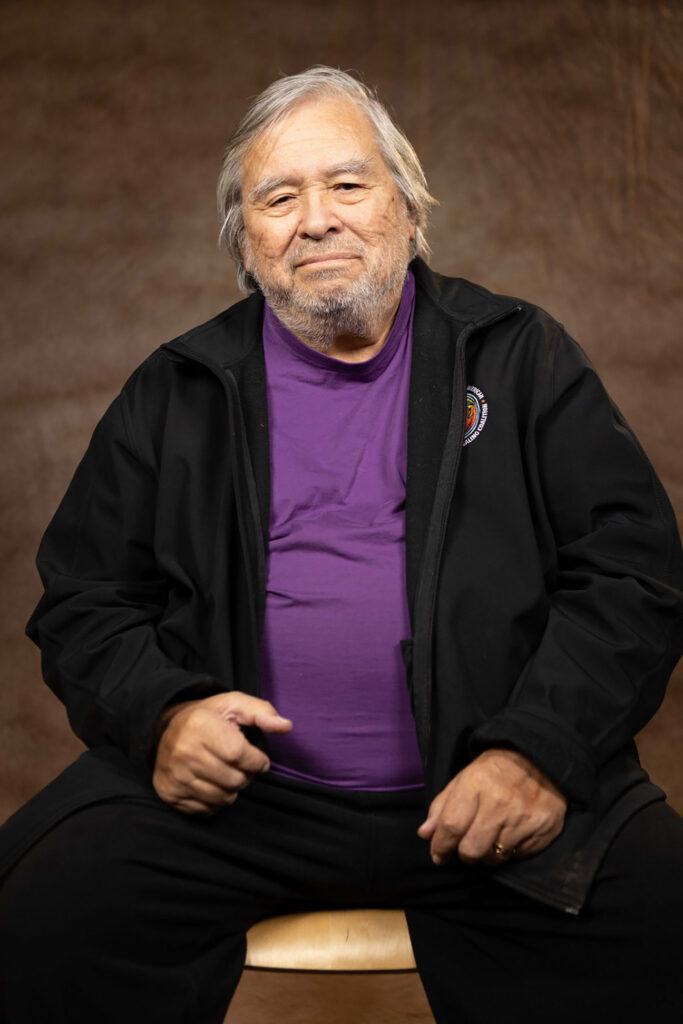
An enrolled citizen of the Native village of Port Graham and a boarding school survivor, the 77-year-old attended Wrangell Institute and Mt. Edgecumbe High School in southeast Alaska between 1955 and 1965.
He noted how quickly the federal government’s position has changed since January. It was just seven months ago that former President Joe Biden apologized to boarding school survivors, calling the recognition “long, long, long overdue.”
“It was going pretty well in the last administration in terms of being more inclusive, and acknowledging all those things helping us perpetuate the work we were doing,” LaBelle said.
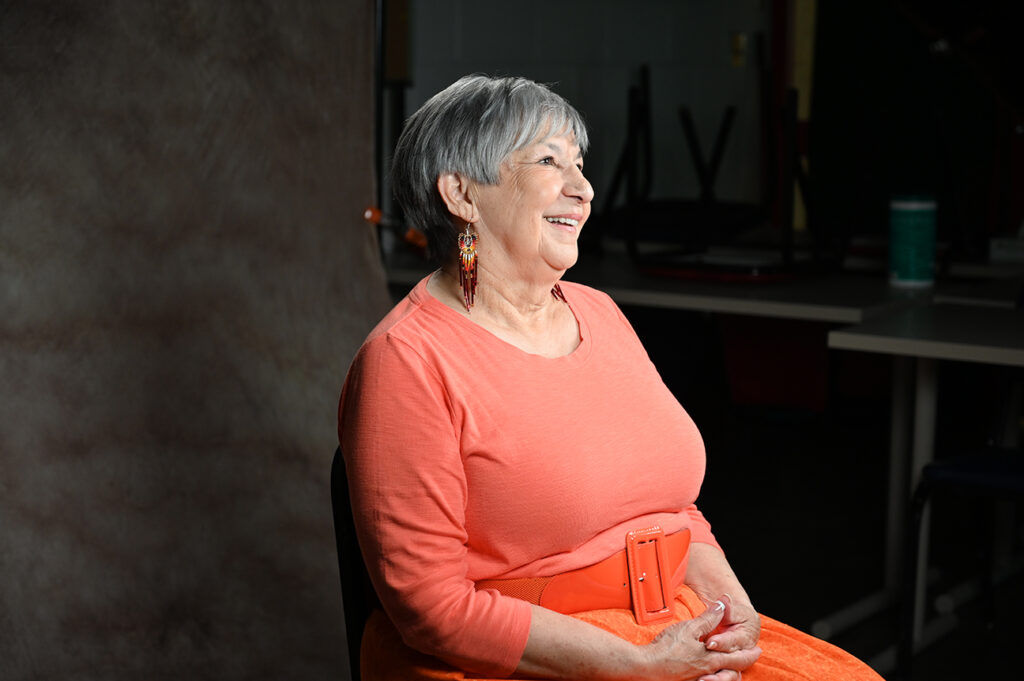
Boarding school survivor Ramona Klein remembers scrolling through her phone when she read the news in April that the funding to the digital project had been rescinded. First, she said she felt devastated. Then, that feeling turned to determination to continue the work she described as under attack by the Trump administration.
“There is such a need not only to share the stories, but to heal,” said Klein, a 77-year-old Turtle Mountain Band of Chippewa citizen and coalition board member. “Healing has the potential to stop if we don’t have funding to continue the work.”
Federally operated boarding schools inflicted enduring trauma to thousands Indigenous children who were separated from their families and tribes in an attempt to forcibly assimilate them into Western society and the Christian church. In these institutions, they were stripped of their language and culture. Staff often beat, starved and raped students, among other documented abuses. Nearly 1,000 students died in the schools, according to the Department of the Interior, their bodies left in marked or unmarked graves.
Until recently, the federal government had been helping document that past. But in Trump’s second term there has been an about-face. At the president’s urging, in March, Navajo Nation citizen Shelly Lowe resigned as the National Endowment for the Humanities chair. She was the first Native American to hold that position.
The National Endowment for the Humanities, Office of Management and Budget, the White House, and the president’s office did not respond to requests for comment about the recent cuts, or their implications.
A spokesperson for the Department of the Interior — which has funded other boarding school research projects — did offer a response. “The Department of the Interior reaffirms its unwavering commitment to uphold federal responsibilities to tribal communities as we embrace new opportunities for optimization and innovation in how we do business,” a spokesperson said in a statement sent to The Imprint.
The National Native American Boarding School Healing Coalition describes itself as the first and only nonprofit advocating nationally for Indigenous people personally impacted by this country’s boarding school policies. The recent federal cuts do not affect the coalition’s ongoing oral history project with the Department of the Interior, which is creating recorded archives of elders who survived the schools describing their experiences.
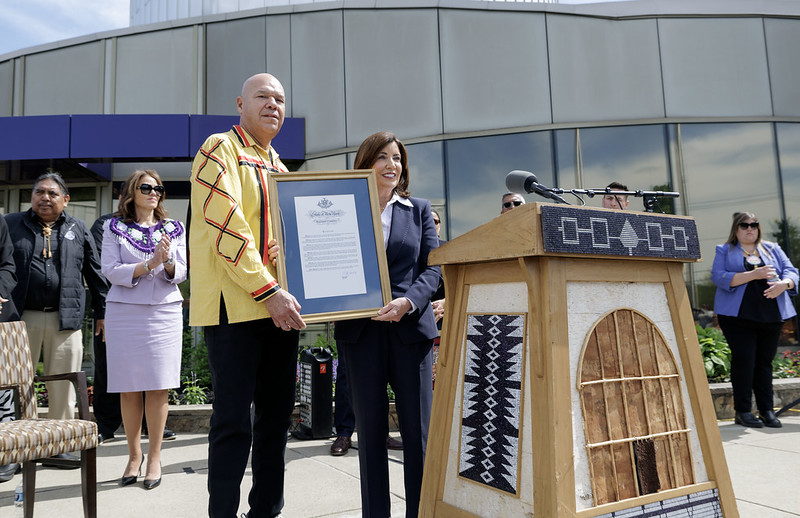
As the Trump administration pulls back federal support, there are signs of boarding school survivors being granted public recognition elsewhere.
On May 20, New York Gov. Kathy Hochul apologized for atrocities that occurred at the Thomas Indian School in her state. “Today, on behalf of the State of New York, I apologize to the Seneca Nation of Indians — and the survivors and descendants from all Nations — who attended the Thomas Indian School,” Hochul said.
The apology was a welcome reckoning for some. But others weren’t impressed, citing a lack of more meaningful reparations and the yearslong fight between Seneca Nation and the state over casino revenues.
The Thomas Indian School was owned and operated by the state of New York, and was established on the Cattaraugus Territory in 1855 by Presbyterian missionaries. At least 2,500 children from the Seneca, Cayuga, Tuscarora, Oneida, Onondaga, Mohawk, Poospatuck (Unkechaug), Shinnecock, and other Indigenous nations were separated from their families and forced to attend the school between 1875 and 1957. Stripped of their languages and culture, they “suffered abuse, violence, hatred, and sometimes death, at the hands of school officials,” the governor’s office stated.
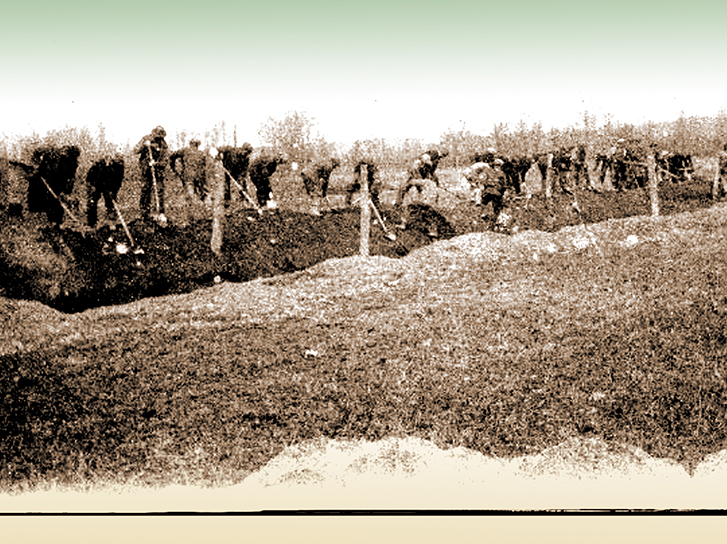
A former student’s identification card is among the documents preserved by the Boarding School Coalition. Albert Thomas was a member of the Onondaga Nation who was enrolled in the school and never made it back home to his tribe. Records show he entered the school on Nov. 4, 1902 but died on Jan. 6, 1904. “Other documentation suggests that his remains were sent home to Syracuse, NY,” according to the archives.
Hochul addressed examples like these in her speech to survivors and their descendants earlier this month.
“In order to move forward and avoid repeating the sins of the past, New York must acknowledge its role in the historical atrocities committed at the Thomas Indian School — and the enduring trauma that was inflicted upon the Senecas and all Indigenous peoples across New York,” Hochul said. “We cannot change the horrors of the past, but I recommit to the truth, justice, reconciliation, accountability, and healing that are so essential to move forward together.”
Do you have experience or tips you’d like to share about Indian boarding schools? E-mail nspears@imprintnews.org.