In perhaps one of the oddest ironies of the political era, 13 members of Congress are calling on the U.S. Justice Department to return the visibility of its own “Not Invisible Act” Commission and final report — the government’s prior commitment to finding missing and murdered Indigenous people.
“We ask that the DOJ take immediate steps to restore the Not Invisible Act Commission Report,” the Democratic lawmakers state in a June 9 letter obtained by The Imprint. “Removing the data from public government websites obstructs long-overdue justice and harms any efforts to combat the crisis.”
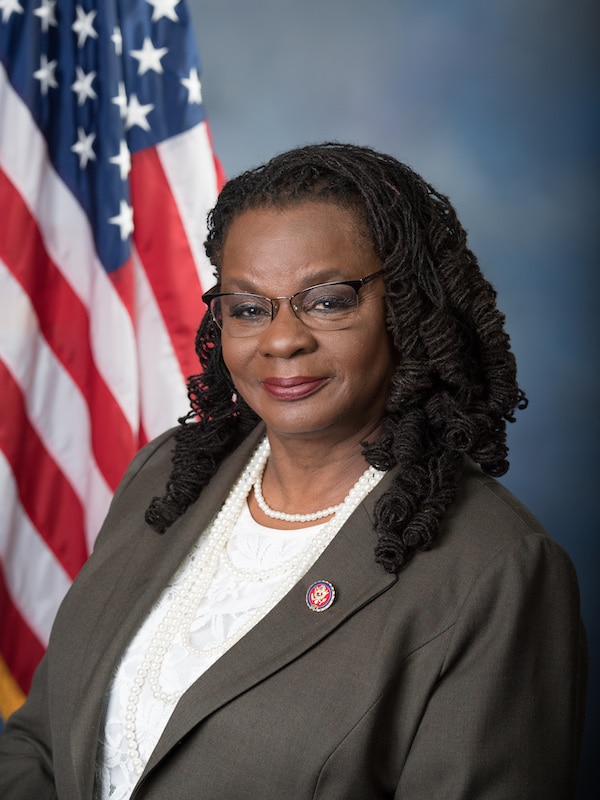
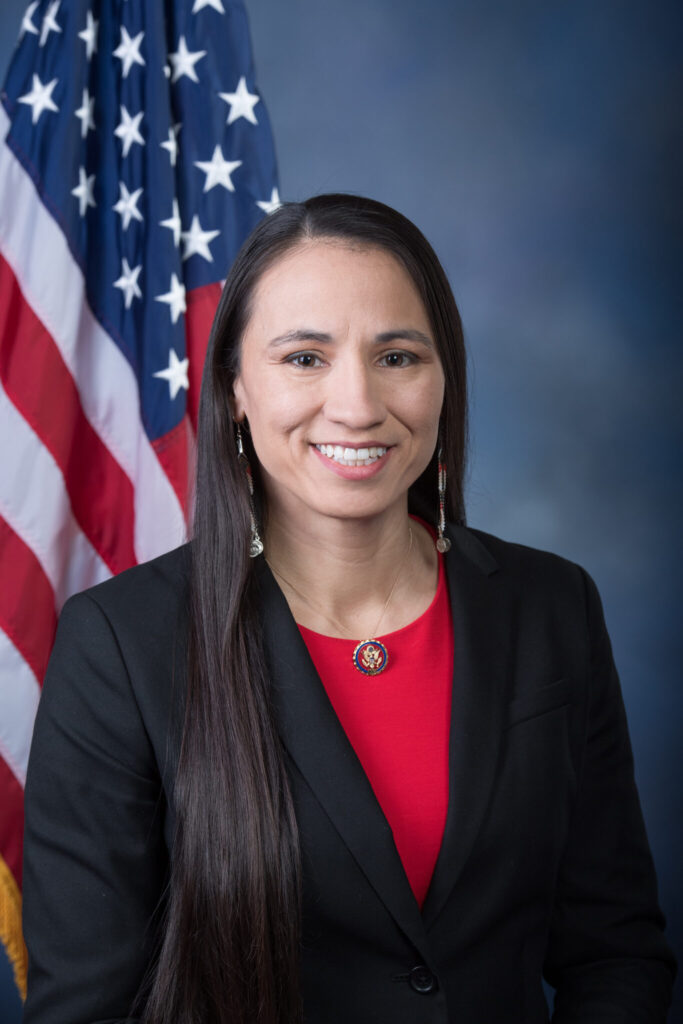
The letter sent to Attorney General Pam Bondi is signed by Reps. Gwen Moore of Wisconsin and Sharice Davids of Kansas, who is a member of the Ho-Chunk Nation. Eleven others, all Democrats, represent states including Minnesota, Washington and New York.
The Attorney General’s Office has not responded to repeated requests for comment on its handling of the matter.
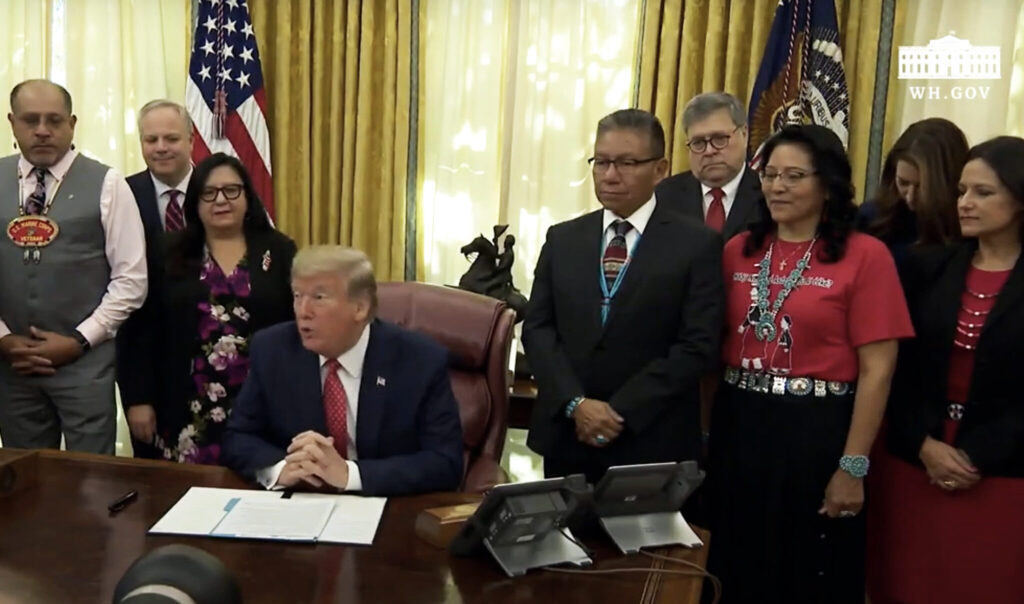
The Not Invisible Act was established on Oct. 10, 2020, “proudly” signed by President Donald Trump during his first term in office.
At the time, his press team called Trump “the first president to formally recognize the tragedy of Missing and Murdered Native Americans” and pointed to the “many actions the President has already undertaken to fulfill his promise that Missing and Murdered Native Americans are no longer forgotten,” concluding: “President Trump looks forward to continuing this Administration’s partnership with Indian Country.”
The Not Invisible Act requires the Departments of Justice and Interior to create a joint commission on violent crime involving Indigenous communities. It also details how federal agencies should address what it calls an “epidemic”: the high rates of Native American youth and adults who are missing, murdered or victims of violence.
— June 9 letter to Attorney General Pam Bondi
“We ask that the DOJ take immediate steps to restore the Not Invisible Act Commission Report. Removing the data from public government websites obstructs long-overdue justice and harms any efforts to combat the crisis.”
Specific recommendations were laid out for the Administration for Children and Families and the Department of Human Services regarding Indigenous foster youth, who are lost at far higher rates than non-Native foster youth. The commission called for a departmental study on these missing youth, and a determination as to whether law enforcement agencies were adequately responding to their cases. The commission also recommended that effective prevention programs be identified to protect young people who leave foster care placements from falling prey to human traffickers or the criminal justice system.
In 2023, the commission’s Not One More report was published and posted to the Department of Justice website. And the work was set to begin this year.
But after Trump’s 2024 re-election — amid a wide-scale purging of publicly available documents and data — the link to the report went dead in February. That alarmed many of the 41 tribal leaders, law enforcement, federal partners, service providers and survivors who worked on the 212-page report, as well as the constituents they represent. More than 260 people had given testimony before the Not Invisible Act Commission, among them family members of lost loved ones and those victimized by violence themselves. The comprehensive recommendations, and the data and real-life experiences to back them up, took three years to gather.
“This landmark report was a culmination of months of due diligence collection of testimony and data from across the country,” the letter signed by Congress members states.
According to National Institute of Justice statistics, 84% of Indigenous women and 82% of men experience violence in their lifetimes, data related to the crisis that had until February been publicly available.
“That is why the Not Invisible Act Commission Report is so important,” they stated. “Accessible data is essential to addressing this crisis as it identifies patterns of disappearances and death, supports law enforcement and community responses, and informs public policy decision-making. The final report’s removal strips our most powerful tool in the pursuit of justice.”
They describe the report as “one of our greatest instruments” to address the crisis of Missing and Murdered Indigenous Peoples (MMIP), and urge the DOJ to “take immediate steps” to restore its contents.
The U.S representatives also pushed back on the reason the report vanished from public view earlier this year, with no explanation.
“We understand that this was done to comply with President Trump’s Executive Order titled Defending Women from Gender Ideology Extremism and Restoring Biological Truth to the Federal Government,” they state. That order said “federal funds shall not be used to promote gender ideology,” and declared the only legally recognized genders as male and female.
Do you have experience or tips you’d like to share about the Trump administration’s actions since passage of the Not Invisible Act? E-mail nspears@imprintnews.org.
“However, the work done by the Not Invisible Act Commission explicitly does not promote gender ideology or extremism,” they stated. “Though there is mention within the findings themselves that women compose a large percentage of MMIP individuals, there ceases to be a link between gender extremism and ideology and the work of the Not Invisible Commission.”
Members of the Not Invisible Act Commission call their treatment by the Trump administration as a bitter reminder of the U.S. government’s attempt to quash Native Americans’ voices.
Reacting to the removal of the February report from the public’s view, commissioner Kristin Welch, a Menominee Nation descendant, called the move “a really big slap in the face to our relatives. We’ve seen it so many times by the federal government: this constant erasure, with no respect for our relatives, their pain and their trauma.”
Read or download the deleted report: