

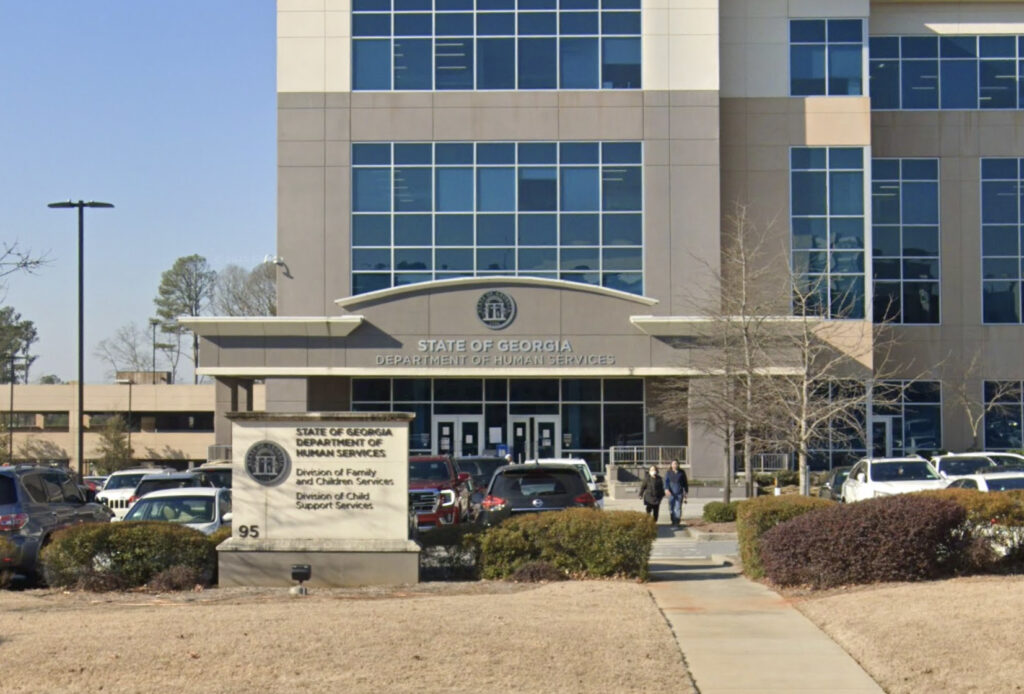
In emails sent late Friday to child welfare agencies in Georgia, state officials announced that the federal government shutdown has required them to suspend new services that protect children from entering foster care and ensure family reunification — unless approved in writing by the state.
Under the directive, without that level of approval, caseworkers cannot initiate contracted services for child and family assessments, aides for parents, wraparound care, measures to prevent foster care, including “unnecessary out of home placement,” and “early intervention” services.
The abrupt change in procedure is “Effective immediately, due to the current federal government shutdown and the resulting interruption of funding.”
The email noted exceptions for court-ordered or emergency services. “If an emergent or court ordered need arises,” the state told providers, “we will work collaboratively with you to ensure the safety and well-being of the children and families we serve.” The notice further asks providers to “Please remain on standby and prepared to assist as needed.”
The full effect of the notices remains unclear.
In an email sent to The Imprint, the Division of Family and Children Services (DFCS) clarified the directives, but did not answer further questions on the record.
Attorney Melissa Carter, executive director of Emory University’s Barton Child Law and Policy Center, called the move “unprecedented.”
She said the state has some key questions to answer — including what portion of all child and family services are provided by contracted providers, what alternatives exist if contracted providers aren’t used and what exactly constitutes an “emergent” need. Carter said she wants to see more transparency from the agency about available funding sources.
“We are deeply concerned about the agency’s ability to fulfill its core mission and mandate to ensure child safety and promote well being,” she said.
Carter also said the abrupt suspension could be potentially devastating for Georgia’s already strained child welfare system, especially when it’s going to require local DFCS offices to seek approval from the state to carry out services.
“It does feel like it’s going to inundate and overwhelm any state office infrastructure that has to make determinations on a case-by-case basis,” Carter said. “The courts are going to need to be more diligent and intentional about specifying the exact services.”
The resulting service delays will be detrimental, said Sarah Winograd, who leads the organization Together With Families.
“If somebody has to do a psychological evaluation or parental fitness or drug test before they can get their children back, then it’s going to delay a parent from getting their kid, or delay a relative from getting their kid,” she said. “That’s the really unfortunate part.”
She said such limitations are reminiscent of the child welfare system during the pandemic. “Visitation was delayed, everything was delayed,” she said. “The courts were behind in the cases. A lot of children were not reunified when they should have been reunified.”
The DFCS directives were released during the longest federal government shutdown in U.S. history. Congress has been stuck in a stalemate for the past 38 days over partisan disagreements about extending health care subsidies under the Affordable Care Act. The uncertainty has pressured states to find alternative ways to continue social services as money for federal programs like food stamps and child care runs out. Only now do the impacts appear to be reaching the child welfare field directly.