As the federal government shutdown stretches into a second month, working poor parents suddenly have no child care for their toddlers.
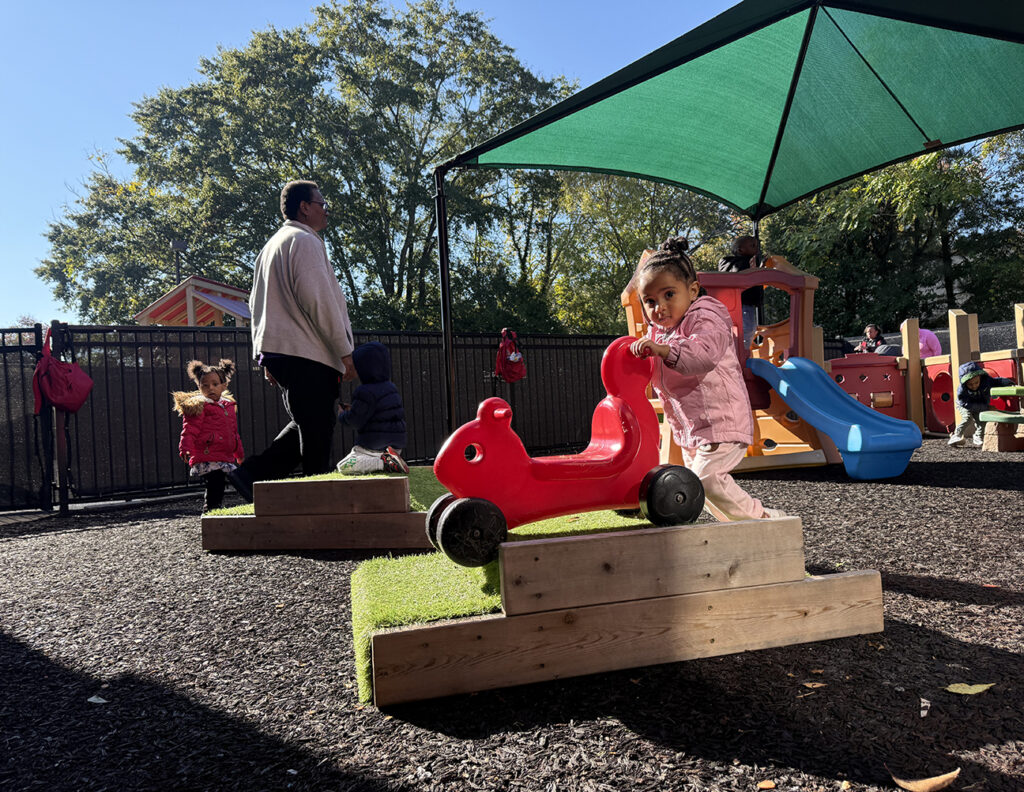
The sounds of toddlers’ laughter and shouts fill the brisk air of Clarkston, Georgia. On this Head Start playground, children tumble, run and push bright red scooters as their watchful teachers look on.
The cold is just beginning to settle in, so it’s a sea of tiny puffer jackets in motion. One toddler wears his coat backward, the hood jutting out beneath his chin. His attentive teacher applauds the creativity.
“At least he’s wearing a jacket,” she said.
Overlooking the playground activity late last week, Donna Davidson, CEO of Easterseals North Georgia, expressed relief. The Head Start programs her nonprofit runs are open due to an emergency loan. Across the state, Head Start programs serving more than 500 children in more rural parts of the state have had to close, because of the ongoing federal government shutdown.
“These are our children, we care deeply about what happens to them,” Davidson said. “At the end of the day, families are the collateral damage of all this. It’s not right.”
On Tuesday, the federal government shutdown stretched into its 35th day — the longest in U.S. history. The partisan standoff in Congress centers on extending tax credits offered through the Affordable Care Act. The effects have hit hard for millions of the country’s most vulnerable children and families who have not received food stamps and other nutritional benefits this month.
The frozen funding threatens roughly 6,500 of Georgia’s 22,000 Early Head Start and Head Start slots for children up to age 5. Parents rely on the programs for child care and early education, daily meals and other social services, said Juanita Yancey, executive officer of the Georgia Head Start Association. Only Florida has more Head Start kids threatened by closures, according to the association’s tallies.
As of Monday, more than 8,000 children and families in 15 states and Puerto Rico were unable to access Head Start services due to the ongoing government shutdown, the National Head Start Association reports.
“Our children’s development can’t wait for Washington’s dysfunction,” Yancey said. “The bottom line is, we need Congress and the president to act now.”
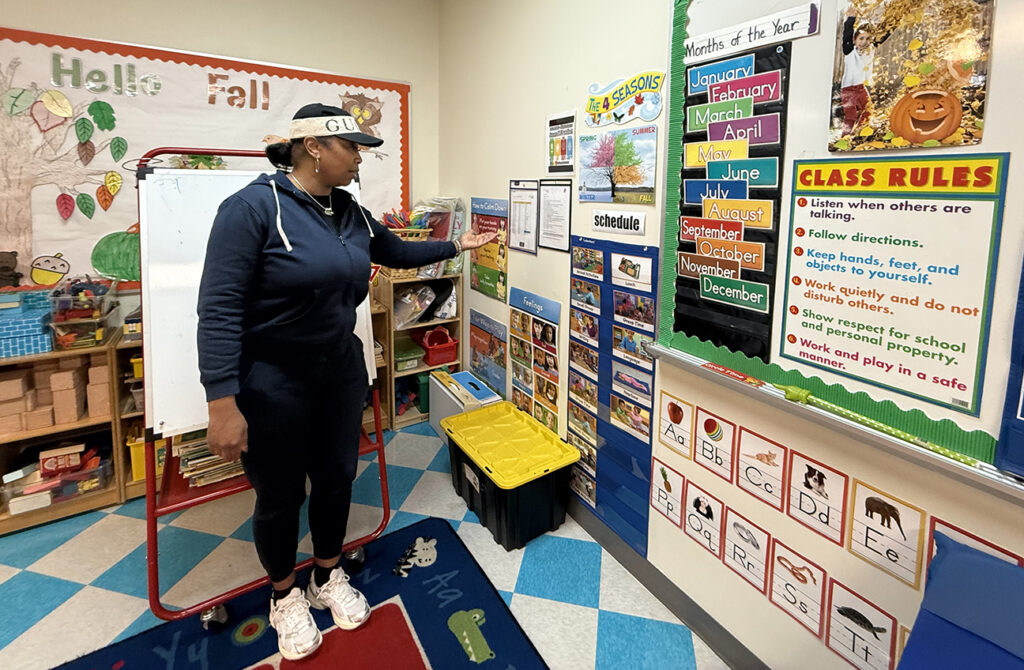
Last week, three of Georgia’s largest Head Start providers — including the Clarkston campus — received a last-minute reprieve: an $8 million emergency loan from the Community Foundation for Greater Atlanta and other private funders. The funds will keep classrooms at Easterseals North Georgia, Sheltering Arms and the YMCA of Metro Atlanta open to more than 5,800 kids for the next 45 days. It also prevents more than 800 early education professionals from being furloughed.
Parents like Elizabeth Morris are relieved. The Colbert resident relies on the Head Start center in Madison County to care for her 3-year-old son, McCoy. Her three older children — Wyatt, 12, Lilly Kate, 10, and Jack, 5, also participated in the program, starting when they were babies.
McCoy, who has speech delays, receives daily therapy, meals and the structure he needs. Morris said he loves going to school and has learned sign language to better communicate.
“The cascading impacts of closing these programs are just horrific to consider. We are creating this emergency.”
— Mindy Binderman, Georgia Early Education Alliance for Ready Students
“It’s things as simple as ‘all done’ at dinner or he wants more milk or needs to go potty,” she said. Missing even one therapy session can set back his progress. “He will either stop exactly where he is, or he can go backwards.”
Without the Head Start support, Morris added,“I don’t think we would be able to communicate as successfully as we do within the family.”
The shutdown has hit her in more ways than one. She is a substitute teacher at Head Start. And her husband, a U.S. Army employee, has been furloughed, leaving the family without their main source of income. He’s trying to fill the gaps with fire and paramedic jobs.
She’s just thankful that her local Head Start is here to stay, for now.
“The burden was definitely lifted because we didn’t know what we were going to do,” she said.
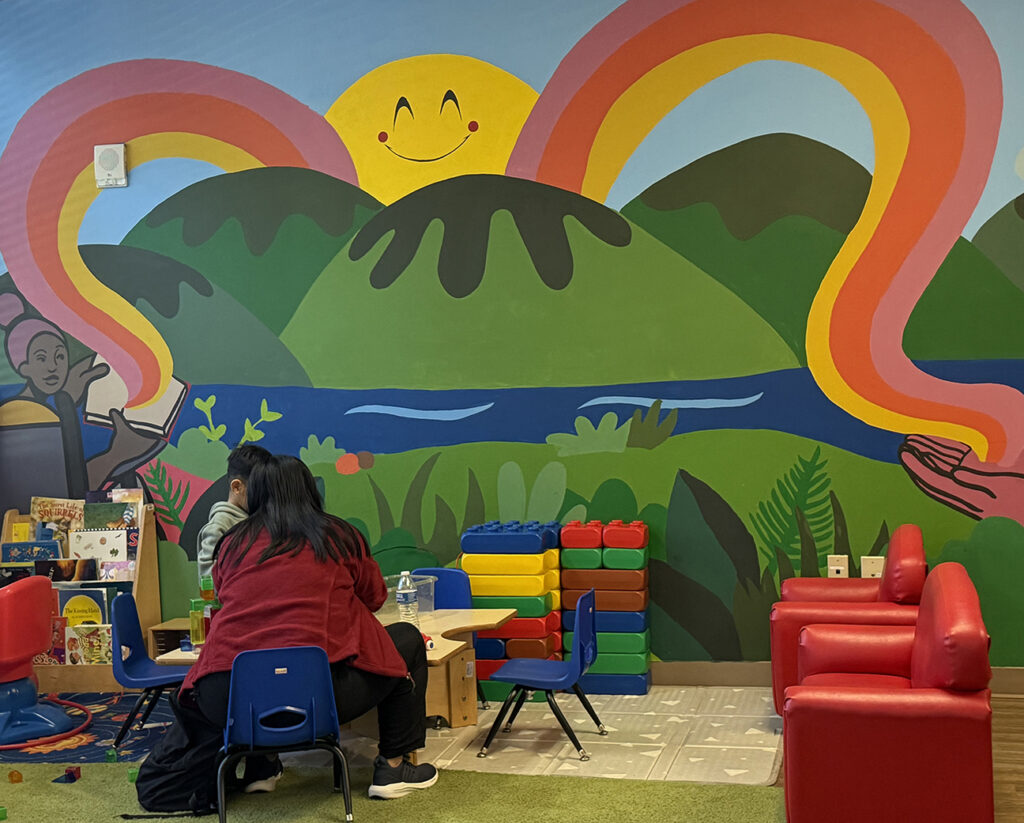
Head Start is more than a child care provider. Its subsidized, no-cost programs to those who qualify also offer early education, health screenings, meals and support for low-income families, including those who are homeless or in the child welfare system. Kids with disabilities can also receive daily physical therapy, language therapy and other specialized care at no cost.
Head Start allows parents who cannot otherwise afford child care to work or attend school. If the federal shutdown continues after the private funding runs out, such families face dire choices, said Mindy Binderman, executive director of the Georgia Early Education Alliance for Ready Students.
Parents may have to risk losing their jobs to stay home with their small children. Older kids may need to skip school to watch younger siblings in a state where parents have been arrested for leaving kids alone.
“The cascading impacts of closing these programs are just horrific to consider,” Binderman said. “We are creating this emergency.”
The impacts in south Georgia are already playing out.
Action Pact’s Head Start programs across 15 counties were forced to close this Monday. Prior to that, the multi-site program served roughly 550 children and employed 190 people. The closure is the first since the community action agency Action Pact began in 1965.
With operations costing $700,000 per month, Action Pact Executive Director Diane Rogers said she couldn’t take the risk of relying on a line of credit, particularly because the federal government has not guaranteed providers they will receive retroactive payments after the shutdown ends.
“This is heartbreaking,” Rogers said. “We haven’t ever had to do this before.”
“We’re very concerned about food insecurity. Head Start children get breakfast and lunch and a snack every day, so they’re not getting that.”
— Diane Rogers, Action Pact
Action Pact has secured scholarships for 25 kids at other day care centers, but the unmet need is far greater. Even if families could afford alternatives on their own, there are no similar programs in some rural counties, she said.
What’s more, when the federal money does start flowing again, Rogers worries some of her staff will not return from their current furloughs. That will make it impossible to staff the re-opened classrooms. Georgia’s child care workforce is deeply strained due to low pay and burnout since the pandemic: More than 80% of child care centers reported staffing shortages in 2021, according to a survey by the National Association for the Education of Young Children.
Advocates for families and service providers have pleaded with Georgia’s top officials for help since the shutdown began.
But Gov. Brian Kemp has made his stance clear. He recently told local media he has no plans to use Georgia’s $14 billion surplus to backfill funding for programs like Head Start or anti-hunger programs such as the Supplemental Nutrition Assistance Program, food stamps known as SNAP benefits, or WIC subsidies for Women, Infants and Children. A recent press release from his office stated that there is “no mechanism” for the state to make up the costs and blamed Democrats for “putting bad politics over the people they claim to care about.”
Democrats like Rep. Nikema Williams have contradicted that claim, arguing that it’s Republicans who hold the presidency and majorities in the House and Senate. “Donald Trump and Republicans shut the government down — and every job lost, every service halted and every hard kitchen-table conversation is because of their choice to put Trump’s agenda over the needs of the American people,” she stated.
Meanwhile, households reliant on multiple safety net programs are bearing the brunt of the standoff. Most Head Start staff report that the families they serve are food insecure, according to the National Head Start Association.
This synergy is vital in rural parts of the state, such as the communities where the Action Pact centers had to shut down. The nonprofit Science for Georgia reports that food insecurity is about 3% higher in rural counties than in urban Georgia.
On Friday, two federal judges ruled it was unlawful to halt SNAP payments. In response, the Trump administration agreed to provide partial payments to hungry families. But delays are expected to be lengthy and the reduced benefits are not expected to last the entire month.
“We’re very concerned about food insecurity,” Rogers said of the families her centers serve. “Head Start children get breakfast and lunch and a snack every day, so they’re not getting that. And with the SNAP benefits not coming yet, we know it’s going to be a problem for our families.”