
Flames loomed in the distance when Jeanette Yoffe left an afternoon therapy session with an adoptee on Jan. 7, the first terrifying visuals of the deadly Palisades Fire.
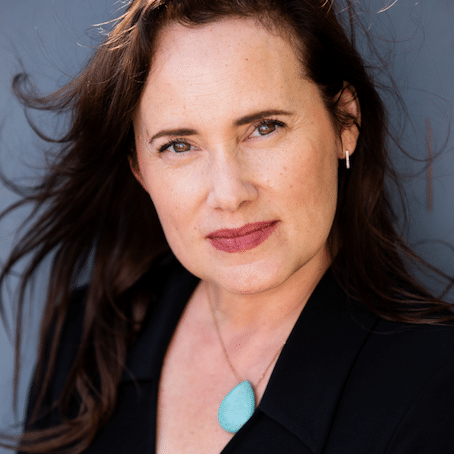
Yoffe is a licensed psychotherapist who works with children, youth and families in the foster care system, where she too was raised. She’s thought deeply about her childhood through her mental health care practice and as a playwright, creative entrepreneur, nonprofit founder and therapist. But witnessing the first of several wildfires that have shaken Los Angeles County this month struck her on a “very deep level,” she said, making her hyper-vigilant for days afterward and bringing up vivid memories of her time in foster care.
These days, she feels for her patients and other people growing up in foster care, like never before.
“For these kids, fires will bring up these thoughts, this unfinished business — and it’s a lifelong process for us to process our grief and loss,” she said. “We are more vulnerable at this time, and we need a lot of therapeutic support.”
While rain from last weekend has helped firefighters contain the last of nine fires that continue to burn in the region, the devastation is immense. Nearly 50,000 acres have been burnt, and roughly 15,000 structures have been incinerated, leading to an estimated $250 billion worth of damage. Whole neighborhoods are now smoldering ruins, the air teeming with toxic chemicals.
Hundreds of current and former foster youth and their caregivers are among those impacted. In the aftermath of the Jan. 7 fires, 199 children and youth in foster care have been displaced as a result, the Los Angeles County Department of Children and Family Services told The Imprint last week. That includes more than 30 foster youth who fled homes destroyed by the Eaton Fire in Altadena, and dozens of young people and employees of residential treatment centers. One Altadena facility run by Bourne Family Services was completely destroyed.
RELATED STORY: Hundreds of Foster Youth Uprooted As the L.A. Wildfires Rage On
Many foster youth whose homes withstood the fires have since returned. But the traumatic impact will last, Yoffe said. In an interview with The Imprint, she explained why disasters such as wildfires are especially hard for foster youth, what caregivers can do to support them, and why intervening in the next month is so important.
How are foster youth coping right now in the face of the fires that have hit Los Angeles County?
This could intensify their feelings of feeling unstable, insecure. Foster youth are already living in a state of ambiguity — we don’t know what’s going to happen next, and this could exacerbate and heighten fears. With PTSD, which is a common diagnosis for children in foster care, they could regress, and there could be a new onset of PTSD symptoms even if they’ve been somewhat stable and they’re receiving the proper mental health care.
If they’re not already in therapy, they need to be in therapy. Just because a child’s not actively talking about their grief does not mean they’re not actively thinking about their grief and loss. And a lot of these kids, they can appear very strong and stoic because they’re in protective mode. It’s the kids that are quieter that we want to be more concerned about, and we want to reach out to them more and provide them with the space to be able to talk and grieve.
How does this trauma manifest for young people who have experienced foster care during natural disasters like these?
Disasters like wildfires often bring up all of the past unresolved grief and loss related to prior placements. The question for foster youth is: ‘Is the world really safe?’ And at the same time, there will be a strange feeling that, ‘Oh, I’m now not alone in this feeling of feeling powerless in my life. Now other people are also feeling this experience of being powerless over this uncontrollable spread of fire that has uprooted so many people.
What we want to mitigate is complicated grief, because kids are already in mourning, already mourning their losses. And if we have a child who’s lost their foster family home that they’ve lived in for some time, now they’re going to have what’s called complicated mourning, which occurs when the natural grieving process is disrupted or intensified by new grief.
“For these kids, fires will bring up these thoughts, this unfinished business — and it’s a lifelong process for us to process our grief and loss. We are more vulnerable at this time, and we need a lot of therapeutic support.”
If they’ve even lost a pet and they’ve lost their new temporary room where they’ve created a sense of home, and now they’ve been uprooted, now they’re living in a hotel or someone else’s house, they don’t have their newfound space anymore. So it’s going to feel more empty for them. They’re going to have more grief and loss.
Are there ways in which foster youth may be particularly prepared for the trauma of fires such as these?
Now there is a shared experience for some foster youth; they are no longer isolated in these feelings. That’s been comforting for one of the families I’m working with. They had to be evacuated, but the fact that the two siblings who are in foster care had their foster mom and their adoptive brother with them, and they were all going to the same place together was actually comforting, soothing and nurturing.
So strangely for foster youth, there will be mental health impacts, but there’s also a sense of: I’m not alone in this. I’m no longer helpless. There’s people with me. I’m not moving to a new foster home again, because I’m staying intact with my foster family.
What else can caregivers do to support foster youth right now?
A lot of foster youth are going to be more vulnerable. They may regress emotionally and psychologically because their ability to cope is compromised again — they are in survival mode. At the same time, they do need mental health support. They do need someone to be curious with them, providing coping skills, offering reassurance and validation — and answering their questions, because they will have many.
If you don’t have the answer, it’s OK to say we don’t have the answer. If foster youth have that one person who just sits with them and listens and takes the time, it’s going to help build resilience.
We’re in a 30-day window of acute stress disorder. So we have 30 days of intervention to prevent PTSD from occurring again for a foster youth, especially if they’re stable and staying with their foster family. Most importantly, we want to keep the continuity of their foster placement.
Aside from mental health, what other impacts do fires and other natural disasters present?
What concerns me is being displaced is going to interfere with their birth family visits and sibling visits, so that’s going to increase that grief and loss of not being able to see their siblings, which can cause a lot more stress and fears and worries. When will I see them again? Are they OK? Are they safe?
We want to make sure if a mother needs some extra support to attend a visit, let’s do our best to figure that out for her — get her some bus vouchers, whatever it is. And if she can’t make the visit, then can they use Zoom? And if you need a court order, let’s get that court order.
We need to do what we need to do to keep the consistency. Because these are their birth families they have. This is their family, this is who they know, this is who they love, and they have a right to see them. It’s important to make sure they have the continuity and the structure and consistency of what they had before the wildfire so there is a continuation of routine and stability. The sense of familiarity in their routines and relationships are crucial for their development and helping them manage their grief and loss.
We want to ensure that there remains consistency and the structure of visits continue, because this is a mental health experience that is going to impact this child the rest of their life, and we need to be really careful about the decisions we’re making for children in foster care, and think about the long-term psychological and emotional impact of any decisions we’re making today.