
When Jaydan Martinez was 10 years old, he received one last hug from his mother. He hoped that hug would take him “to the magical places I read about in storybooks.” Instead, his mom walked out of a Texas office in tears, and he would never see her again.
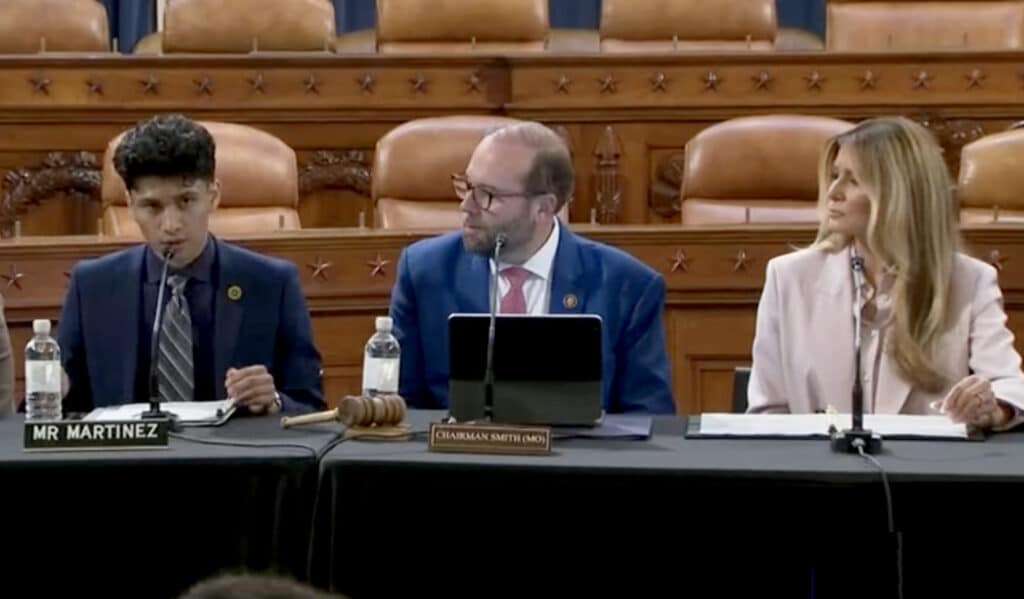
Martinez waited years to be adopted from foster care, but spent his 18th birthday “alone in a dark, crowded boys’ home,” he told a rapt audience of congressional lawmakers and First Lady Melania Trump on Wednesday.
He was among the former foster youth making impassioned pleas before the House Ways and Means committee, which is weighing a package of six bills that would reform the John H. Chafee Foster Care Program for Successful Transition to Adulthood. The decades-old Chafee program authorizes more than $140 million annually to support current and former foster youth ages 14 to 21, or older in some states.
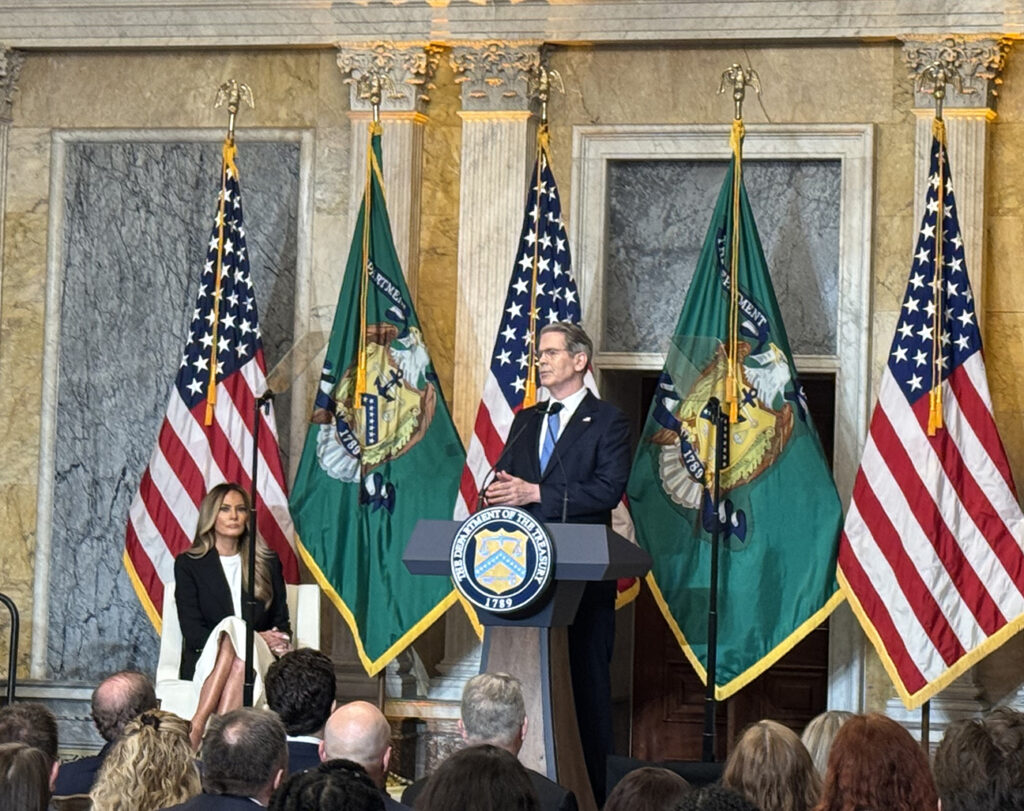
In her husband’s second term, the first lady has made foster care one of her signature initiatives. In November, she joined Donald Trump at a high-profile White House event as the president signed an executive order requiring federal agencies to modernize the foster care system and its technology and better serve older youth. Wednesday, she joined lawmakers to build support for the Chafee legislative package that aims to expand access to existing housing, education and career training and support programs.
“As a community, we strive to nurture our children’s curiosity, protect their innocence, and guide them with hearts full of care,” Melania Trump said from her seat between Rep. Jason Smith, the Republican committee chair and Rep. Danny Davis, a Democrat from Illinois. “New legislation for the foster care community is a moral imperative.”
Roughly 16,000 young people age out of foster care without guardians or being adopted or reunited with family, according to federal data. At Tuesday’s public hearing in the Longworth House Office Building, Smith called them one of the “most vulnerable populations in the U.S.”
Although these “transition-age” foster youth face high rates of homelessness, unemployment and difficulty staying in school, a recent Government Accountability Office report found states are returning millions in Chafee dollars to the federal government — money that could be spent on independent living programs, college costs and other basic needs.
Martinez told the bipartisan panel Wednesday that he refused to be one of society’s cast-offs, despite never being adopted.
“If I wasn’t gonna be chosen, I would choose myself,” he testified.
He began college life in an independent living program, with $42 to his name, struggling to feed himself. But he pushed through remedial math classes to learn what he missed in high school, and stretched his meager monthly stipend.
Martinez said his eventual success came from “great luck.”
“But success for foster youth shouldn’t be a result of luck. It should be a result of opportunity,” he added. “I’m not here to check a box or tell you what you want to hear. I’m here for my brothers and sisters who are in the system who need these bills.”
Rep. Smith described a former foster youth in his congressional district in rural central Missouri who had been homeless, and walked six miles each day between three jobs. The federal Foster Youth to Independence (FYI) housing vouchers that the first lady has pushed to expand helped him find stable, permanent housing.
“If I wasn’t gonna be chosen, I would choose myself.”
— Jaydan Martinez, former foster youth
Conceived by current and former foster youth and established during Trump’s first term, FYI vouchers serve young adults who have left or are about to leave foster care. The vouchers limit youth’s out-of-pocket housing costs to no more than 30% of their income for up to three years, or longer for youth participating in work, school or training programs.
One of the six bills discussed Wednesday, the Foster Youth Housing Opportunity Act, was introduced by Illinois’ Republican Rep. Darin LaHood and Wisconsin Democratic Rep. Gwen Moore. That legislation would loosen the Chafee program’s spending restrictions and require states to better coordinate to distribute the underutilized vouchers.
Rep. Davis, of Chicago, also urged his colleagues to consider more funding for the broader Chafee program, which he said has only grown by $3 million since its creation in 1999.
“I believe that we can accomplish far more, especially as we are now joined by the first lady,” he said.
Turning to Melania Trump, he added: “First lady, I believe that your voice — in support of the resources needed to implement these bipartisan bills and expand the reach of the Chafee program — added to ours, would make all the difference between first steps and transformative change for youth.”
“Each of these bipartisan reforms to the Chafee program matter. They shorten the distance between survival and success.”
— Jocelyn FeTTing, former foster youth
Wednesday’s event began with roughly 20 minutes of prepared remarks from the first lady, lawmakers and foster youth, followed by a non-public meeting.
Jocelyn Fetting, a 22-year-old substitute teacher, foster youth mentor, and graduate of the University of Illinois Urbana-Champaign, described being a high school honors student who fell into academic probation in college. The former foster youthsaid she struggled to juggle school, three jobs and visits with her young siblings, yet no one helped her access the federal education and training vouchers available to foster youth.
“That’s why each of these bipartisan reforms to the Chafee program matter,” she said. “They shorten the distance between survival and success.”
The Chafee Opportunities for New Networks and Existing Connection Trust (CONNECT) Act, introduced by Moore and Ohio Rep. Mike Carey, would add new flexibility and requirements to the law to help foster youth find supportive adult connections.
Smith released a statement after the private portion of the roundtable, describing a “productive discussion that really highlighted the unique opportunity we have to work together to improve support services and modernize our nation’s foster youth programs.”