
Unreliable bus service has stalled progress on the issue, advocates say.
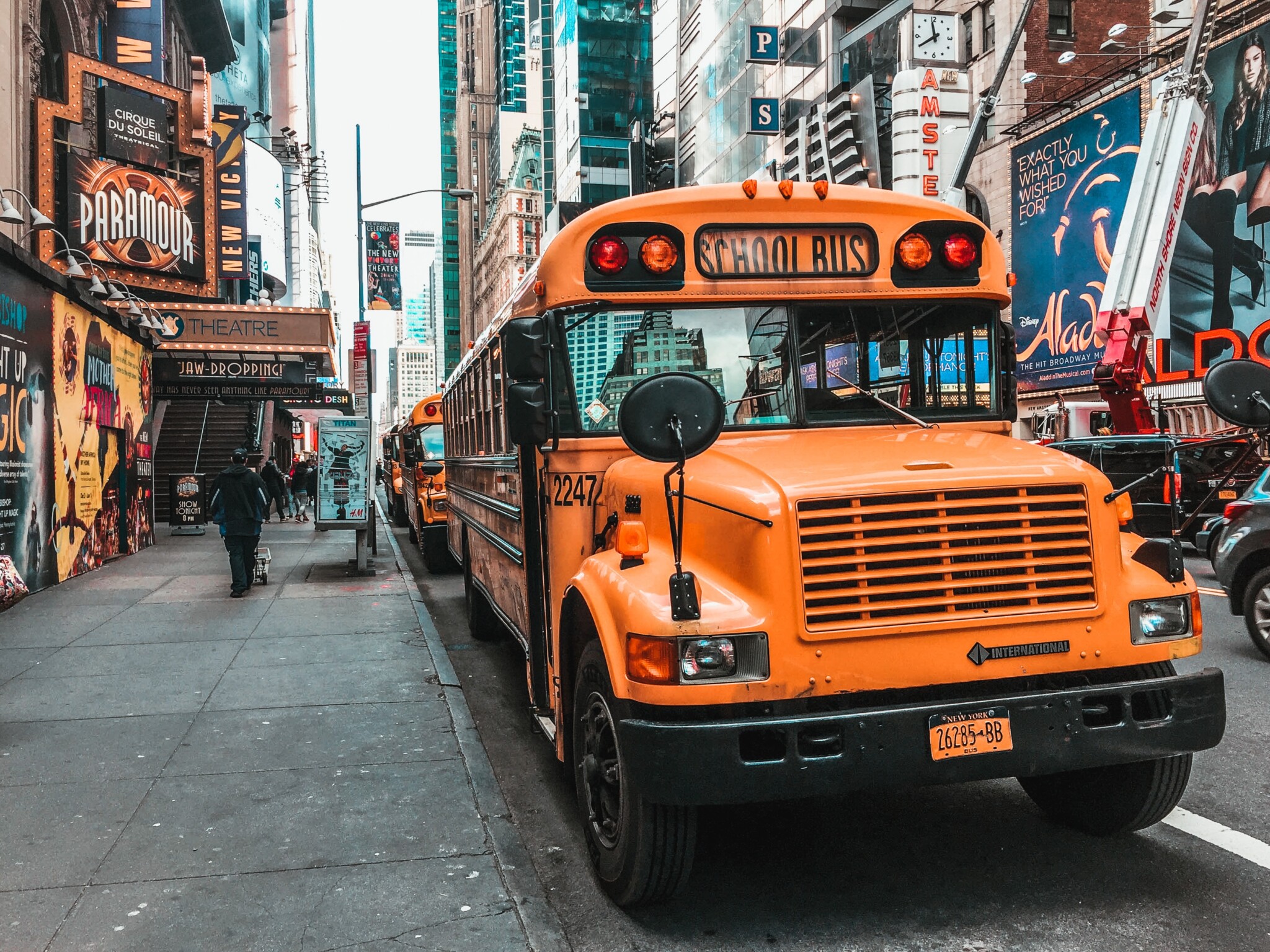
More than half of New York City’s foster youth were chronically absent from school last year, in part because of frequent mid-year transfers and unreliable school bus service, according to a new report by the nonprofit Advocates for Children.
Attendance and graduation rates had improved over the past decade due to federal regulations and efforts by the city’s Administration for Children’s Services, with more students remaining in their “school of origin” after entering foster care.
But those gains have stalled since 2019, said Erika Palmer, one of the authors of the report released Monday.
The nonprofit Advocates for Children of New York analyzed data from New York City Public Schools during the 2024-25 school year. They found 55% of foster youth were chronically absent, and nearly 12% missed more than half the school year. By comparison, only 35% of students outside the foster care system were chronically absent.
“It’s painful to watch children miss weeks of class, be forced to leave familiar teachers and friends behind, or endure unnecessary changes in foster care placements simply because they have no way to get to school from their foster home,” Palmer, who leads the nonprofit’s Project Achieve, said in a press release. Project Achieve focuses on the educational needs of students in the foster system.
In a statement to The Imprint, New York City Public Schools (NYCPS) acknowledged that housing changes and transportation issues create “significant barriers” for students in foster care to attend school regularly. They pointed to recent changes made by the city’s public school system, such as increasing the funding available for foster youth who need ride-share services.
“While progress has been made, NYCPS remains committed to expanding these efforts and working with families, schools, community partners, and other agencies to ensure all students can reliably and safely get to school and into their high-quality classrooms,” department spokesperson Isla Gething said in an email.
The public schools department also recently released updated guidance expanding transportation options to include chaperoned vehicles.
Foster youth continue to graduate at lower rates than their peers, the report also found, although the rates have steadily improved in the last few years. In 2019, only one in four New York City public school students who spent time in foster care during high school graduated on time, according to city data. Last year, that number climbed to 40%.
In a press release accompanying the report, the authors pointed to systemic shortfalls that make it harder for foster youth to get to school each day.
Although federal law requires the city to provide foster youth with transportation to school, when they first enter foster care or change placements they sometimes have to wait weeks or even months before school bus transportation is arranged, authors said. And foster parents who are working full time or have children attending school in different neighborhoods may not be able to give them a lift or accompany them on rideshares.
Those delays — which report authors called a “longstanding failure” of New York City officials — exacerbate the the disruptions foster youth face in school.
“School can be a safe haven for students in foster care at a moment of enormous stress and instability in their lives — but only if they have a way to get there,” Advocates for Children of New York’s Executive Director Maria Odom stated. “Busing might appear to be a minor logistical matter, but for students in the foster system, it’s a lifeline.”
School changes associated with moving between foster homes is well known to hamper students’ academic success. Students who transferred to a new school one or more times within a year performed worse on state English and math exams than those who stayed in the same school, city data shows. Among foster youth who changed schools mid-year, only 28% graduated on time.
Report authors said that ensuring timely access to transportation when those moves take place can help mitigate some of that learning loss, improving academic performance and graduation rates.
In an April letter sent to Mayor Zohran Mamdani’s office, more than two dozen groups — including private child welfare agencies and nonprofit law firms — urged the mayor’s team to include $3 million in the upcoming city budget to get foster children to school while they wait for bus service to be arranged. The additional funds could cover rides with companies such as Kid Car — a rideshare service that uses background-checked drivers to transport children without chaperones — and deploy more city-owned vehicles for rides to school.
Update: This post has been updated to include comments from New York City Public Schools.