Youth are being moved from Provo Canyon School, the residential treatment facility that celebrity Paris Hilton centered in her yearslong campaign to shutter the “troubled teen industry.”
“No child should be hurt in a program that is meant to protect them, particularly programs that require the authorization of the state to operate,” Shannon Thoman-Black, director of the state licensing division, said at a press conference Tuesday.
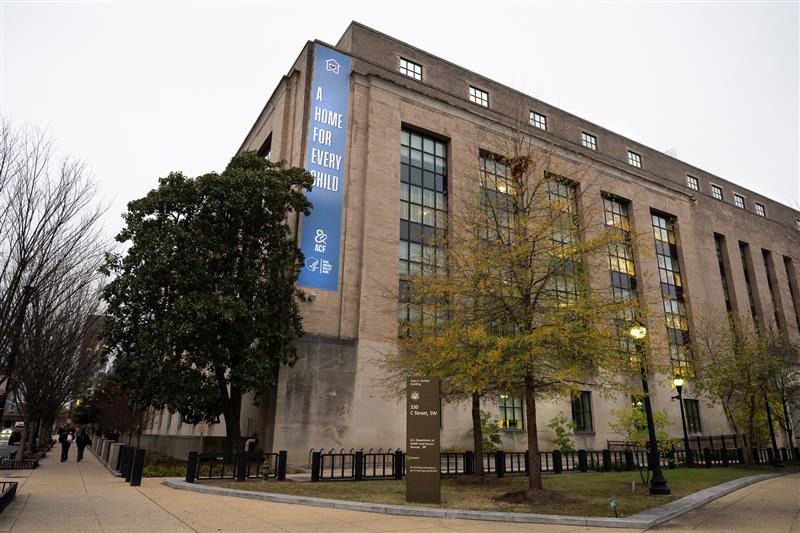
The public statements follow a directive by the Utah Department of Health and Human Services announcing that the facility’s license to treat children with behavioral and mental health issues had been revoked. All current residents must be moved from the Springville campus by Aug. 6, and there can be no new admissions.
The department found the Springville Provo campus to be out of compliance with 16 licensing requirements. They included failing to ensure that residents were protected from neglect, violence and discrimination; failing to complete required background checks on new staff and failing to maintain a staffing ratio sufficient to keep children on campus safe.
Reached by phone Tuesday evening, representatives for Provo Canyon School said they could not provide comment by press time.
State officials had placed the campus’s license on “conditional” status on June 17, days after two lawsuits were filed against the school by parents. The facility had also been investigated in May, at which point officials identified several safety concerns, according to state records. State licensing authorities received additional complaints from the Salt Lake City-based Disability Law Center.
The school is owned by Universal Health Services, a for-profit company based in Pennsylvania. The multi-state operator of residential treatment programs was one of four providers slammed in a 2024 U.S. Senate report for running facilities described as “warehouses of neglect.”
At the time, a Universal Health Services spokesperson stated that the company “vehemently disputes” that description, adding that its staff “work tirelessly to provide the best possible” care for children.
Thoman-Black called Provo’s issues “severe noncompliances” and noted “these rules and regulations are fundamental safeguards to protect vulnerable people being served in facilities or programs.”
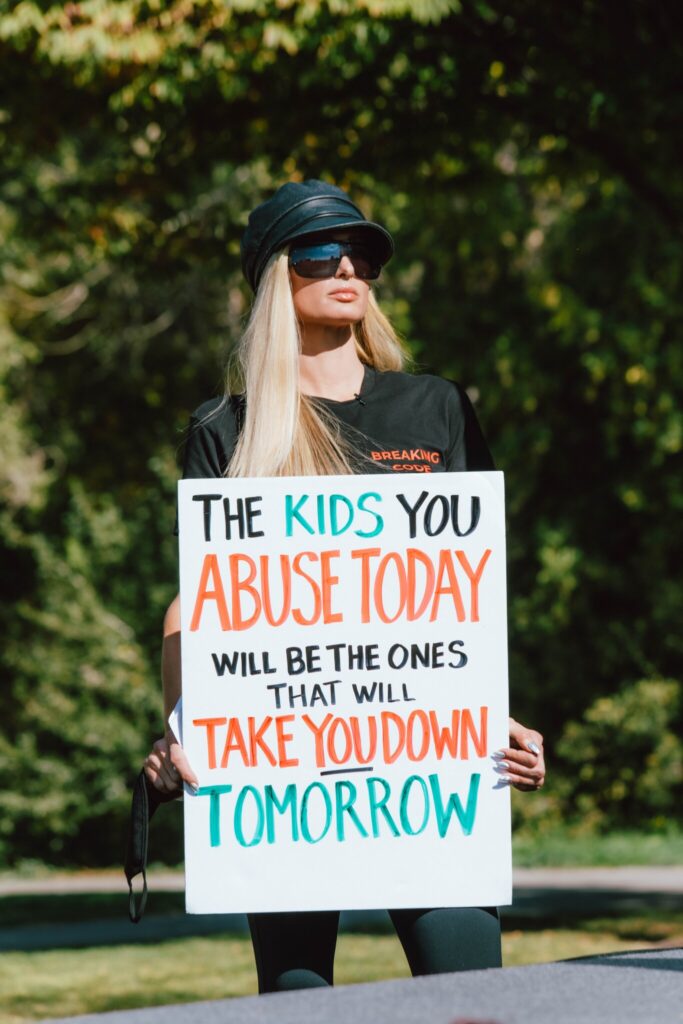
Provo Canyon School became infamous in 2021, after Hilton shared what she described as abuse she suffered as a teenager sent to the facility. In legislative testimonies and in her documentary “This Is Paris,” Hilton said in her 11 months at Provo, she was hit, strangled, isolated and forced to take medicine without a diagnosis.
“For more than 50 years, children came forward with stories of abuse, neglect, and trauma. I was one of those children. I know what it feels like to cry for help and believe no one is coming. Today, children still inside that facility know someone is finally coming to protect them.”
— PARIS HILTON
In recent years, Hilton has pushed the Utah Legislature to shutter the school. She has also lobbied for broader reforms and greater oversight of youth residential care in California and at the federal level.
Hilton and other former Provo residents celebrated the news of the campus’s closure.
“For more than 50 years, children came forward with stories of abuse, neglect, and trauma,” Hilton said in a statement. “I was one of those children. I know what it feels like to cry for help and believe no one is coming. Today, children still inside that facility know someone is finally coming to protect them.”
The current licensing issues and lawsuits center on Provo staff failing to properly intervene when children were assaulted by their peers or became ill at the facility. In one incident, a female resident went into kidney failure after Provo staff refused to get her proper medical care despite her complaining of severe stomach pain for more than a week, according to her family’s lawyers. Both cases were filed by the local law firm Mortensen & Milne.
“She now faces lifelong medical challenges that could have been avoided with timely intervention,” according to a statement from the law firm.
In another incident on a separate campus that houses boys, a 13-year-old suffered a traumatic brain injury and broken jaw after another resident “slammed his head into the ground,” his family’s lawyers stated. Though the child was unconscious, Provo staff did not call 911 and instead called a non-medical transport company to take him to the hospital, delaying treatment, state licensing documents show.
Records further show that Provo Canyon staff failed to document several incidents to state authorities as required by law, and that some incidents were reported with key facts or evidence omitted. Thoman-Black said when her team discovered this information in June, it prompted her to widen the scope of their investigation, digging into medical records and camera footage.
Provo Canyon School has 15 days to request an appeal hearing. Between now and its scheduled August closure, licensing officials will conduct monitoring visits at least weekly to ensure resident safety, Thoman-Black said.
“We will return as often as necessary to keep these clients safe,” Thoman-Black said. “And we will verify that this provider is no longer serving people as of Aug. 6.” The owners will not be able to reapply for a new license for five years.
The boys’ campus is permitted to continue operating, but it is restricted from admitting new residents.
Mario Raffo, who is a Cherokee and Miwok descendant, said he was sent by his adoptive family to the boys campus of the Provo Canyon School in 2014. He was 15, and described life there feeling “like a prison.”
When told of the partial shut down, Raffo, now 27, said he was “really glad to hear it.”
“I know they’ve had a lot of issues brought against them in the past, but I really hope this one sticks because it’s not a place for kids,” he said. “It’s hard to believe it took this long.”
Nancy Marie Spears contributed to this report.