
A new congressional committee report highlights “routine harm” to vulnerable children in taxpayer-backed facilities, and operators who “optimize revenues” and “evade oversight.” Lawmakers are now demanding stepped-up vigilance and home-based alternatives to these group facilities.
Good for business, bad for kids. That’s the conclusion of a sweeping two-year U.S. Senate investigation released today.
The 136-page report, Warehouses of Neglect: How Taxpayers Are Funding Systemic Abuse in Youth Residential Treatment Facilities, highlights abusive conditions in what members of Congress describe as a profit-hungry industry providing care for the nation’s neediest children, including foster youth, kids in the justice system and emotionally troubled teens of all socio-economic backgrounds.
The concerns about group facilities cited in the report are well known in the fields of child welfare and behavioral health: “physical, sexual, and emotional abuse at the hands of staff and peers, improperly executed and overused restraint and seclusion, inadequate treatment and supervision, and non-homelike environment.”
But senators led by Democrat Ron Wyden of Oregon go a step further, concluding that sub-par conditions are baked into the taxpayer-supported business model of many residential treatment facilities, known as RTFs — that institutions fill beds, while hiring minimal staff with no experience to “optimize revenues.” The Senate Finance Committee staff who researched the report found that leaves traumatized children under-supervised and untreated in facilities that can cost taxpayers or parents as much as $1,200 a day per child.
“The risk of harm to children in RTFs is endemic to the operating model,” the Senate investigation concluded.
To conduct the inquiry, Senate staff interviewed dozens of experts and reviewed 25,000 pages of documents obtained from four of the nation’s largest residential treatment providers. They also visited other organizations’ facilities in person, in what they describe as a representative sample of the industry.
In those locations, they encountered children keeping their clothes in brown paper bags, bare mattresses, windows covered in spray paint and the smells of human waste and gas. Education also often appeared inadequate, with teachers relying on movies or pages from EasyTeacherWorksheets.com for course materials. Some kids they met were so heavily dosed on psychotropic drugs they appeared to move in a daze and struggled to hold conversations. A nurse at one site told investigators most kids took five to eight medications.
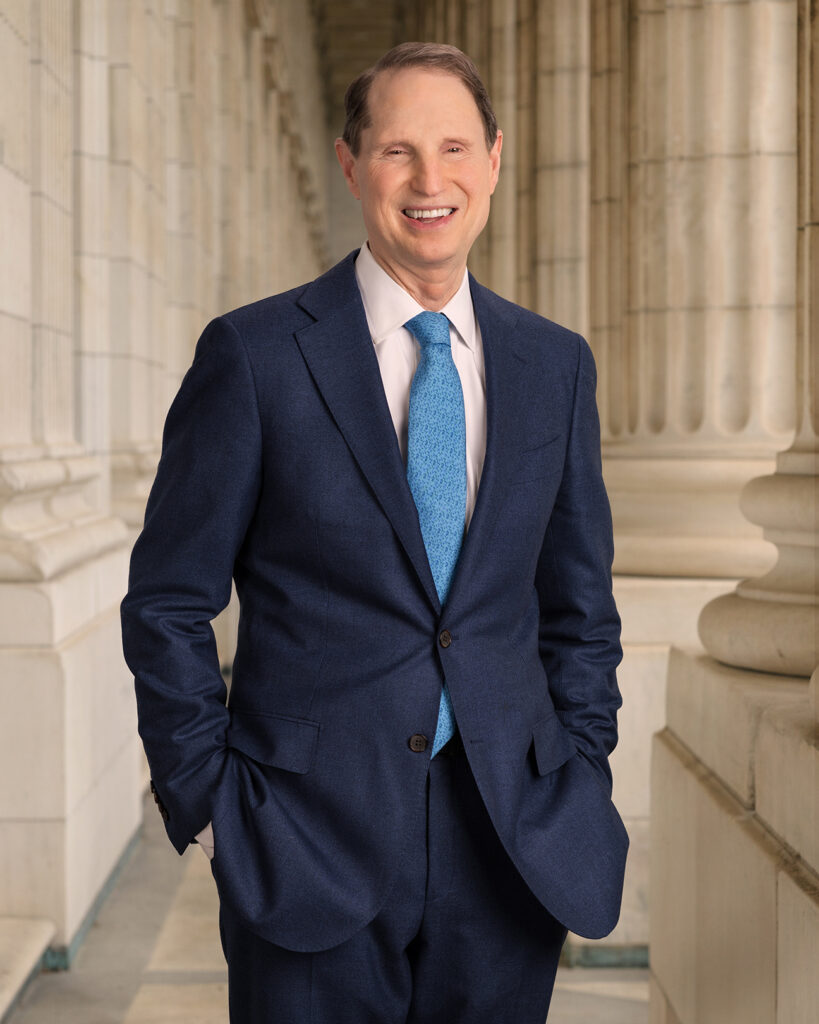
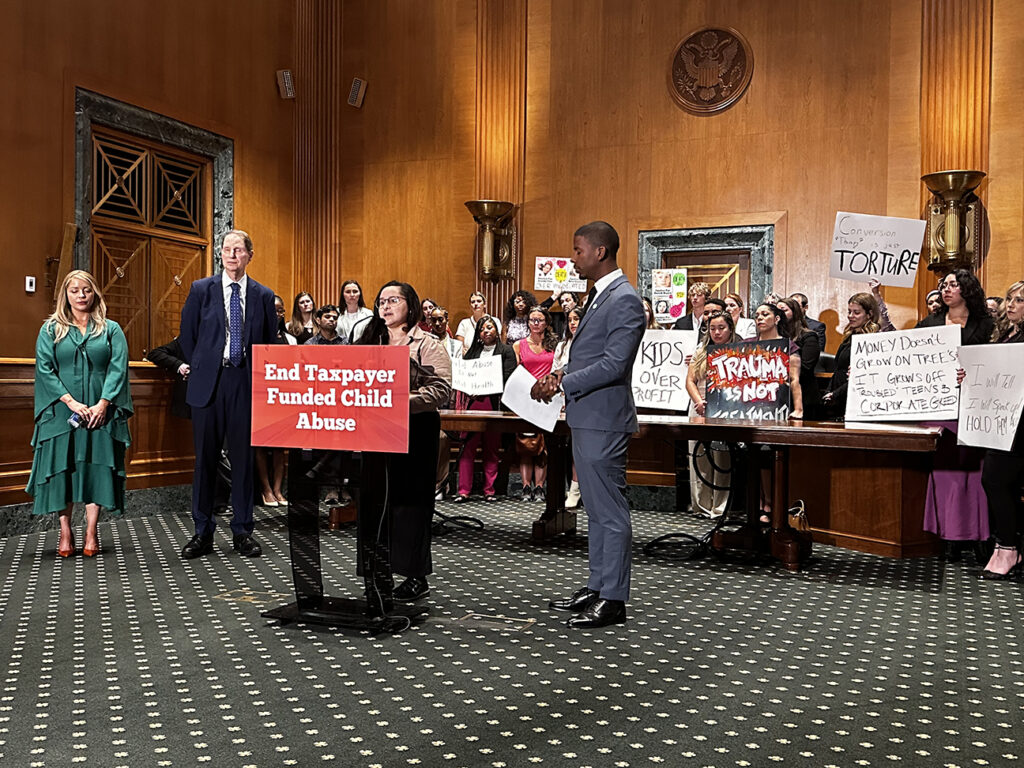
Sen. Wyden spoke out this morning in Washington D.C.’s Dirksen Senate Office Building, first at a press conference alongside survivors of group residence abuse, foster youth and advocates, and then at a hearing with fellow senators and expert witnesses.
“The findings are simply horrific. And the report shows a terrible pattern of mistreatment and abuse happening to kids — at facilities which now receive billions of dollars in federal funds,” he said. “Overwhelmingly, it’s clear that the operating model for these facilities is to warehouse as many kids as possible while keeping costs low, in order to maximize profit. That means intentional understaffing, with persons who have zero experience or qualifications to provide the care these children need.”
Kayla Muzquiz of Texas — a former-foster-youth-turned-advocate who grew up in group facilities across three states after her mother died and her father abused her — joined Wyden at the press conference. She said she “felt like a lab rat” in the residential centers, overmedicated and “forced to participate in pseudo-scientific therapies.” That included a sedating injection that other residents called “booty juice.”
“This is normal in those facilities,” Muzquiz said. “The medical neglect in foster care is real. I almost died.”
Children living in residential treatment facilities are often sent by a public system — child welfare, juvenile justice, mental health or education. Others are placed by parents struggling to manage suicidality, eating disorders, excessive drug use or aggressive behaviors. Some are living with autism and developmental disabilities, as well as histories of abuse, neglect and sexual exploitation. The providers paid to care for them claim expertise in helping such special-needs youth.
In statements sent to The Imprint, two of the four companies examined most in-depth — large, multi-state operators Universal Healthcare Services, Devereux Advanced Behavioral Health, Acadia Healthcare and Vivant Behavioral Healthcare — provided responses to the Senate committee’s scathing review of their work.
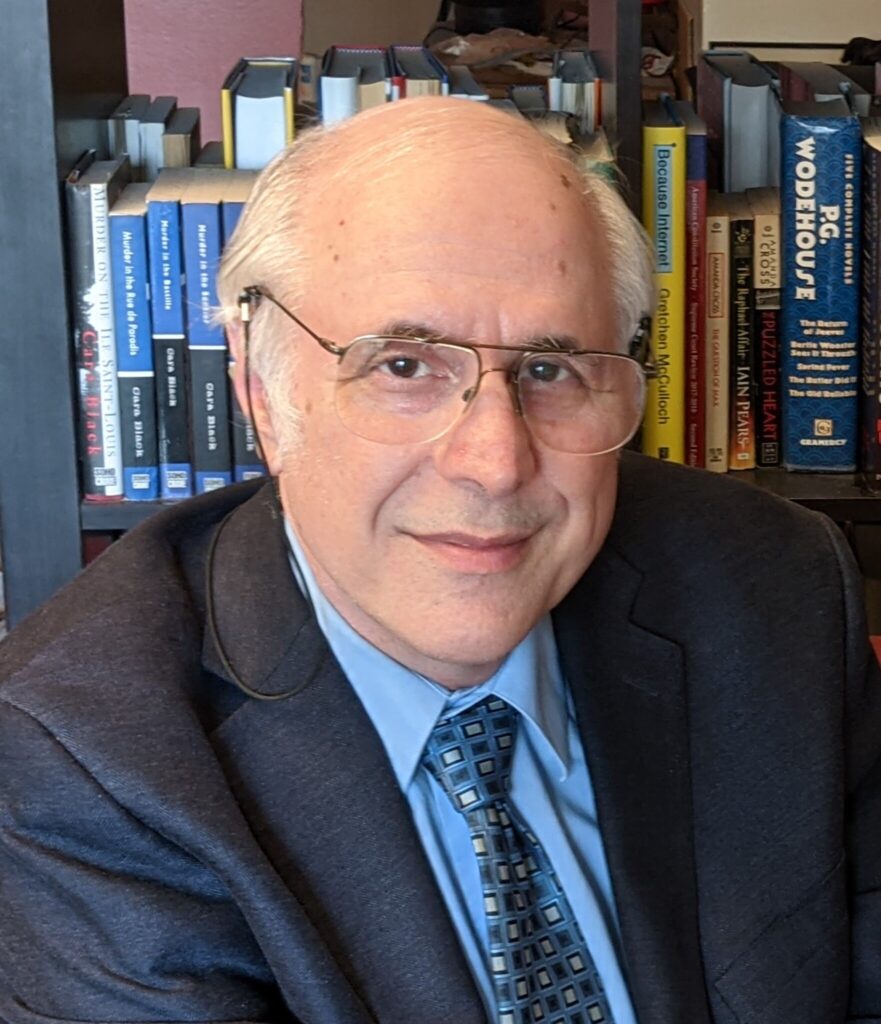
A senior executive with the Pennsylvania-based Devereux Advanced Behavioral Health said “Devereux strongly concurs,” with the recommendations in the report. But she also sought to distinguish her nonprofit organization from the three for-profits the Senate committee scrutinized, noting Devereux spends 100% of its operating revenue on providing services. Leah Yaw, Devereux’s senior vice president and chief strategy officer, also criticized the Senate committee for never visiting “a single Devereux program.”
“We do not answer to shareholders. We do not need to ‘find’ places in our budget to make money,” Yaw stated. “Devereux is a charitable organization, operating in the public interest, and our entire business model is, quite simply, different than the three other organizations involved in this inquiry.”
A spokesperson for Universal Health Services said the company “vehemently disputes the characterization” of their facilities, maintaining that its staff “work tirelessly to provide the best possible care” and that the investigators painted a misleading picture.
“The report attempts to extrapolate certain incidents into a false narrative regarding the treatment provided, environment of care and regulatory compliance at our facilities,” the statement reads.
Vivant Behavioral Healthcare and Tennessee-based Acadia Healthcare had not responded to reporters’ requests for comments by press time.
Yet dozens of alarming, sometimes tragic, events that took place in facilities run by all four companies are listed in the lengthy Senate investigation.
A 19-year-old with autism at a Universal Health Services facility in Georgia died when he “choked on his own vomit” during an eight-minute, face-down restraint during which “staff sat on the teen’s midsection.” At a Virginia facility run by the same company, a child “died of positional asphyxiation” during a restraint, even though the hold was being monitored by a nurse.
In its statement, Universal Health acknowledged incidents at some facilities where residents “suffered harm,” but said they were “extremely rare.”
“We do not answer to shareholders. We do not need to ‘find’ places in our budget to make money.”
— Leah Yaw, senior vice president of nonprofit facility operator Devereux
At today’s public hearing, Sen. Wyden acknowledged that there are high-performing residential treatment centers, but not enough to avoid his solution: to “shut off the fire hose of federal funding” for the industry. The report notes Acadia and UHS are valued at $6.5 billion and $11.8 billion, respectively; for 2023, Medicaid contributed more than half of Acadia’s revenue, and more than a quarter of UHS’.
And Wyden’s counterparts on the Senate Finance Committee reacted with grave concern as the findings were discussed today. One Republican senator, Idaho’s Mike Crapo, stated his alarm over “chronic patterns of failure” and noted a dire need to shift toward home-based care. Pennsylvania’s Democratic Sen. Bob Casey described the findings as “beyond appalling” and “disturbing” — particularly given the taxpayer funds involved.
As an example of perverse incentives, the Senate investigation describes video footage of a 2015 lecture at the University of Baltimore by Jay Ripley, former head of Sequel Youth and Family Services, who has since founded Vivant. Ripley outlined how he made “good margins” on the daily rate government agencies pay per child while running Sequel.
“You can make money in this business if you control staffing,” Ripley told the students.
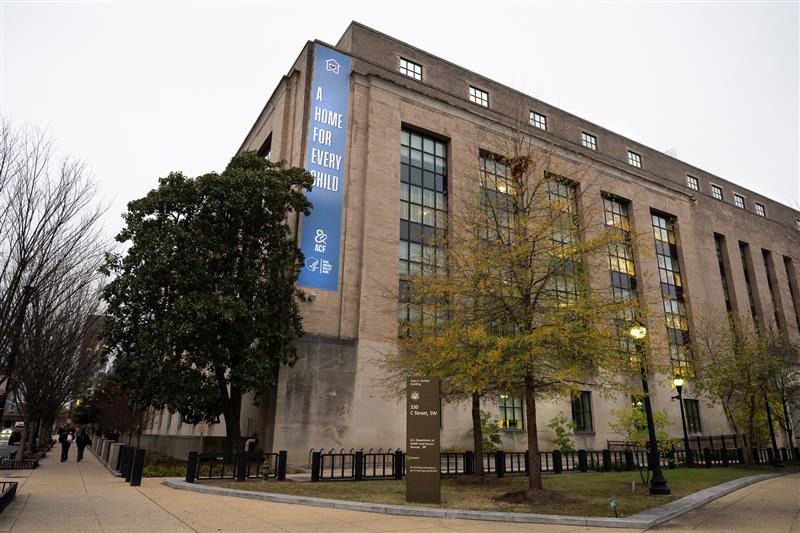
The committee report and experts who testified in the nation’s capital today called for lawmakers to strengthen federal standards for treatment facilities and for the Department of Justice to investigate inappropriate placement of children with disabilities. The report also recommends stepped-up scrutiny from an array of oversight bodies including juvenile court judges that approve children’s placements, the federal Administration for Children and Families and state agencies that manage child welfare and juvenile justice systems.
The finance committee noted one of the industry’s most subtly pernicious practices: restrictions on family visits, which can lead to kids’ alienation from their home communities, and separation from the “real world.”
“These are children for whom we have made no place in the real world,” the report states. “It is imperative to imagine, and help create, a real world with a place for these children, with the support they need, alongside their communities.”
“Their lives are ending before they even begin — systematically, by design.”
— senate Finance committee report
The outrages in youth facilities now under scrutiny by federal lawmakers have been extensively documented for years by the media and watchdog agencies, resulting in some reforms.
In a 2020 joint investigation with The San Francisco Chronicle, The Imprint published Far from Home, Far from Safe, which revealed a pattern of abuse at dozens of facilities run by Sequel Youth and Family Services, where more than 1,200 California foster youth had long been sent in violation of state law barring for-profit providers. All of the children sent out of state were brought back to California as a result of the reporting, and Gov. Gavin Newsom signed a law barring foster youth and kids in the justice system from being sent out of state.
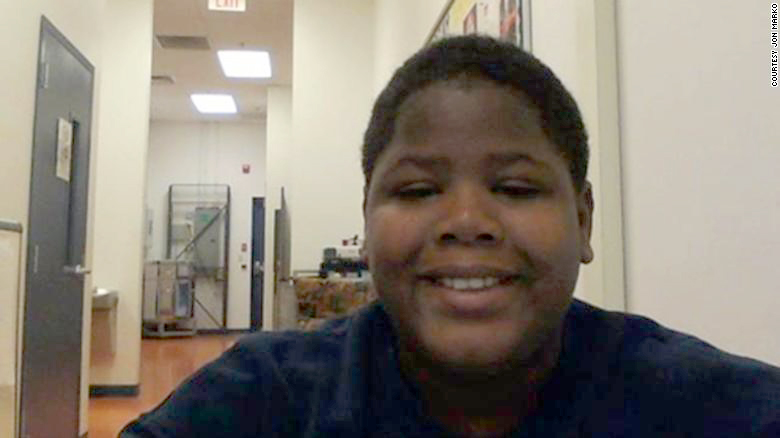
After the highly publicized 2020 death of 16-year-old Cornelius Fredericks in a Michigan treatment center, Sequel also shuttered some of its most troubled facilities. Cornelius died from asphyxiation after staff members held him in a face down restraint for 12 minutes — a punishment for tossing a sandwich in the cafeteria. The killing of the Black foster youth was caught on videotape just weeks before the George Floyd protest movement, heightening the backlash.
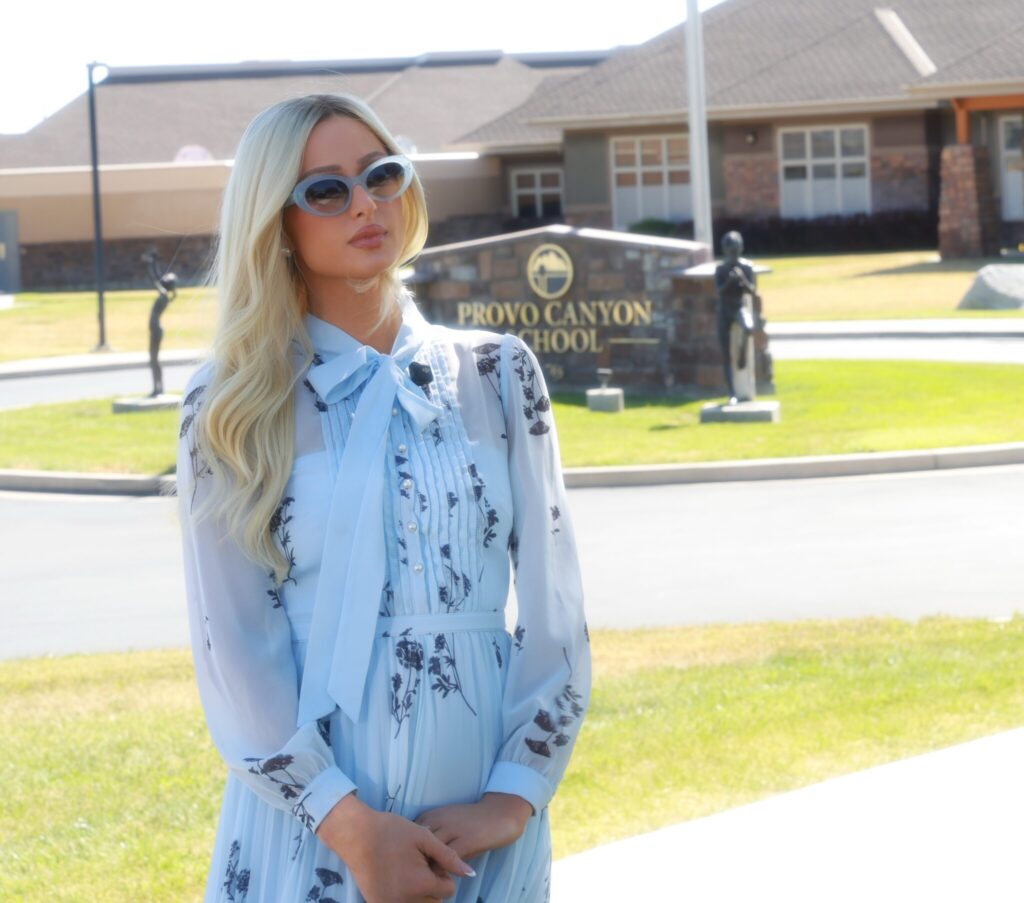
The publicized tragedies continued. That same year, an investigation by the Philadelphia Inquirer revealed that dozens of children had been raped in treatment facilities run by Devereux. The celebrity entrepreneur Paris Hilton released a documentary describing abuse she experienced at centers run by Universal Health Services. And in 2021, Think of Us, a prominent foster youth-led advocacy group, published an in-depth report: Away From Home, a collection of horrific stories and survey data from youth who spent time in institutions.
Both Hilton’s 11:11 Media Impact — the tax-exempt advocacy arm of her media company — and Think of Us have been the public face of a broad push for legislation cracking down on the “troubled teen” industry and congregate care. But while bills like the Stop Institutional Child Abuse Act have struggled to pass in Congress despite bipartisan support, states like Utah and California have either passed, or are considering, local group care reforms.
Perhaps most heartbreaking is the senators’ conclusion that many of the young people living in these perilous places do not need to be there.
The Senate report underscored ongoing concerns and raised some troubling new ones. Among them were fears from experts and facility staff that the industry may attract adults who intend to prey on the most vulnerable kids, and “unremediated” sexual abuse.
For example, in 2021, a staff member at a Universal Health Services hospital in Oklahoma was found to be engaging in “ongoing sexual abuse” with a child resident. But instead of being terminated, the employee was initially just reassigned to another wing. She continued visiting her victim’s window each night and informed a coworker that she “planned to continue this abuse after the child’s discharge.”
The investigation also found that basic treatment protocols are often not being developed or followed. In some cases, written goals were copied and pasted from one child’s file to the next. Even when treatment plans were in place, children were promised — and agencies were billed for — significantly more therapy hours than they received.
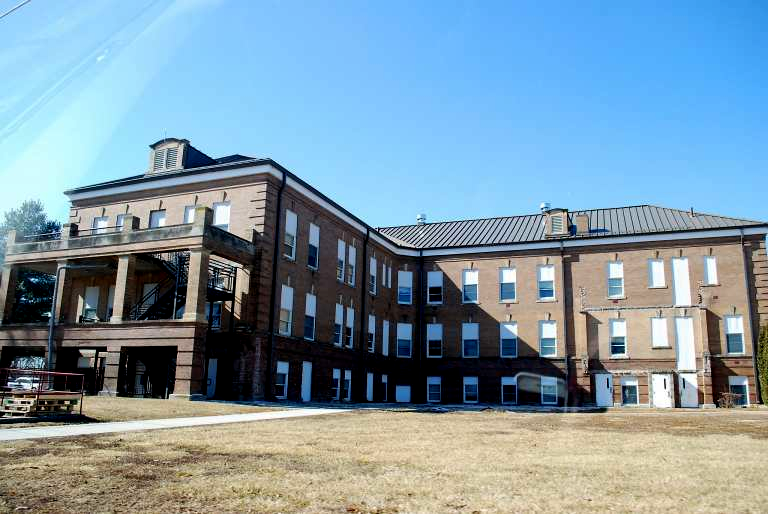
Among the key concerns identified is that providers can evade what little oversight there is by “exploiting corporate structures.” They point to Jay Ripley, who founded Sequel in 1999. In 2021, amid the fallout from the damning exposés, Ripley sold 13 facilities to Vivant Behavioral Healthcare — a new company that he’d just founded. He brought along much of the corporate management team from Sequel, and continued operating the same businesses in the same locations — just under a different name.
As first reported by The Imprint and The San Francisco Chronicle four years ago, in his 2015 speech at the University of Baltimore, Ripley noted the high demand — and potential returns — from providing residential treatment. “It’s really like drinking from a fire hose,” he said.
“You can make money in this business if you control staffing.”
— Jay Ripley, founder of Sequel and Vivant Behavioral Healthcare
Perhaps most heartbreaking is the senators’ conclusion that many of the young people living in these perilous places do not need to be there.
Particularly among youth in foster care, a large number sent to treatment facilities do not have a diagnosis that would warrant inpatient treatment — but child welfare agencies lack sufficient family homes to take them in, especially in the cases of older youth. The investigation cites a 2013 report from the Administration for Children and Families that found 28.8% of children in congregate care had “no Clinical Indicators” to be institutionalized.
For those children who do have more significant mental and behavioral health needs, the overreliance on residential treatment facilities is a result of insufficient investment in community-based treatment options, investigators concluded.
“The warehousing of these children in RTFs only remedies society’s disinterest in addressing their needs,” the report reads. “Children are suffering as a result. Their lives are ending before they even begin — systematically, by design.”
The Government Accountability Office has been ringing the alarm on group facilities and the harm they can cause in a series of reports since 2007, detailing gaps in oversight and other systemic issues that result in the rampant abuse.
Despite the flood of scrutiny, the Senate committee said these businesses that run the treatment centers continue to expand. In December 2022, for example, Acadia told investors its plan to double profits by 2028 hinged on increasing residential treatment services by 1,000 beds per year. In an October 2023 earnings call, Universal Healthcare Services’ CFO said, “broadly increasing occupancy [of our behavioral business] is the most significant opportunity we see.”
A Devereux spokesperson noted that the organization has reduced its residential capacity by 760 beds in the past five years, and is working to invest more in non-residential treatment options.
Yet as much of the industry expands, one of the child welfare experts cited in the Senate’s report agreed with its conclusions: There is a dearth of evidence suggesting that residential treatment is beneficial for any child.
“Residential facilities as they stand today are not equipped or incentivized to effectively treat children’s mental health concerns. The committee’s report is an incredibly detailed account of that simple fact,” said Paul Lanier, a professor in the School of Social Work at the University of North Carolina at Chapel Hill. “The mountain of evidence in this report demonstrating harm to America’s most vulnerable children stands in stark contrast to a lack of scientific evidence supporting residential treatment.”
Jeremy Loudenback contributed to this report.

Stories like these take time and many resources to produce. We can’t do this without support from our community. Donate today – any amount makes a difference.