Unaffordable homes and sky-high rents touch nearly everyone in California, but few demographic groups are as affected as young people aging out of foster care.
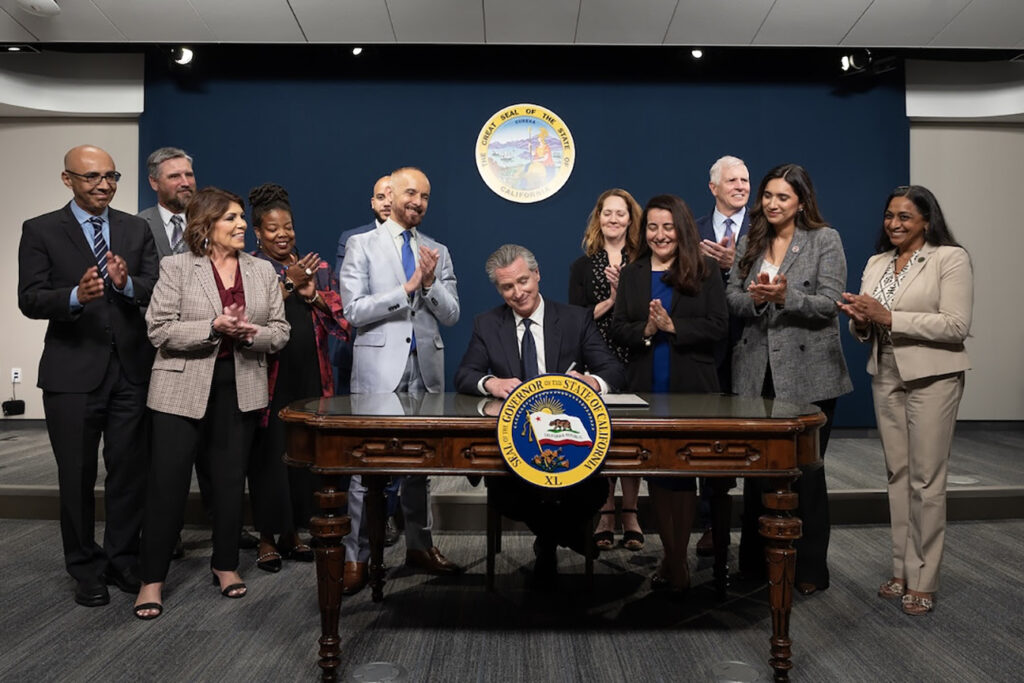
State lawmakers took action to address the problem on Thursday. Just hours after the Legislature passed the Veterans and Affordable Housing Bond Act of 2026, Gov. Gavin Newsom signed the bill, allowing it to be placed on the November ballot.
If passed by a simple majority of voters in November, the bond would inject $11.25 billion into creating and preserving rental units for low-income families and supportive housing for the homeless. A new pot of $150 million would build capacity for current and former foster youth and other young people who lack parental support. Those funds would have to be spent on acquiring, rehabilitating or preserving “youth housing” and could not be used for the delivery of services.
“We are giving voters the power to help shape the future of housing in our state,” Newsom said in a press release. “This bond is about building communities, expanding access and affordability in California, where every family has a fair shot at a place to call home.”
Youth advocates celebrated the vote.
“With all the investments today, it’s beautiful to see that a focus on youth homelessness is now a part of a larger conversation,” said Jevon Wilkes, executive director of the California Coalition for Youth. The grassroots group representing young people ages 12 through 24 lobbied lawmakers to pass the bond measure.
The bond measure is detailed in Senate Bill 417, which passed Assembly and Senate floor votes on Thursday, the last day to qualify for the Nov. 3 general election ballot.
The California Legislature has considered similar housing legislation every year over the past four years. Oakland Assemblymember Buffy Wicks and other state leaders unsuccessfully tried to place it on the 2024 ballot.
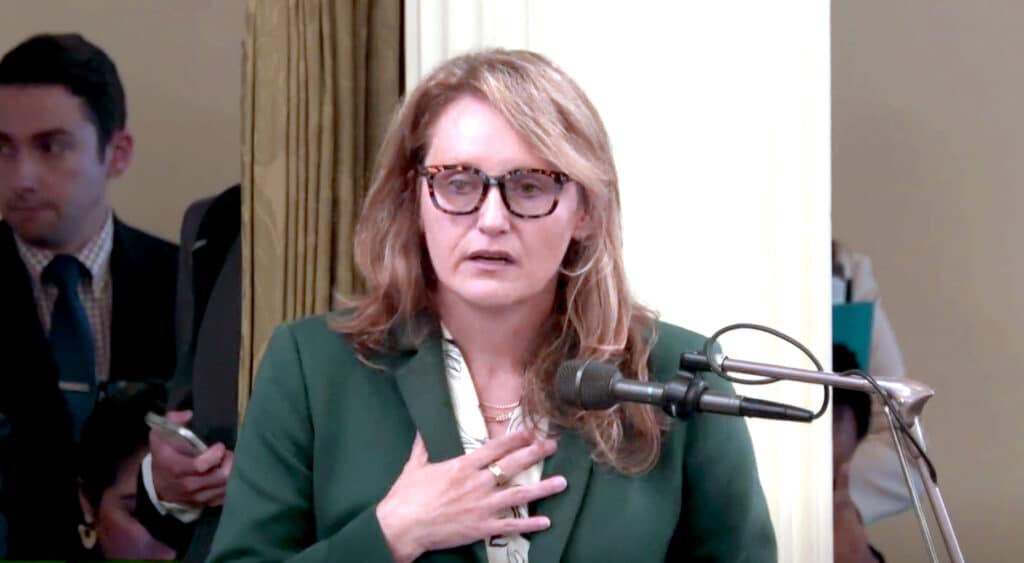
In an address on the Assembly floor, Wicks cited California’s struggles with housing. A 2022 Statewide Housing Plan found the state lacks more than a million homes that are needed for low-income households. More than 180,000 residents experience homelessness, she said, the highest number in the nation.
As drafted in the act, roughly $5 billion would go toward the existing Multifamily Housing Program, which Wicks called the state’s “workhorse for affordable housing.” More than $1 billion would be allocated for permanent supportive housing for formerly homeless people, and another $1 billion would go toward home ownership programs. The fund also sets aside money to preserve affordable housing and mortgages for veterans, and provides housing for farmworkers, students and tribal members.
“When we talk about the dollars, when we talk about the units, what we’re talking about is families,” Wicks said.
She added that these Californians need stability, “so that they can focus on their Thanksgiving dinners, so that they can celebrate their graduation, so that their children can do their homework at night — and not worry if their parents are going to be able to afford the roof over their head.”
“It’s beautiful to see that a focus on youth homelessness is now a part of a larger conversation.”
— Jevon Wilkes, California Coalition for Youth
SB 417 is supported by local governments and advocates for foster youth and affordable housing advocates. It also has the approval of Newsom, who announced a “three-party agreement” with legislators on Monday to support the bond.
But a handful of lawmakers dissented at the hearing on Thursday.
Fresno Assemblymember David Tangipa said borrowing money through a bond at a time of strong revenues would leverage “your children’s future and your grandchildren’s future.”
“We do not have an affordable housing crisis,” he said. “We have an available housing crisis because of the rules, regulations, and debt that we are putting on the California citizens.”
A legislative analysis of the proposal released in May found that the cost of the bond would be nearly $17.4 billion, factoring in interest payments over 30 years.
State investments in addressing homelessness have plummeted in recent years, from $6.9 billion in the 2022–23 budget to $1.5 billion in 2025–26, according to the California Budget & Policy Center.
Meanwhile, homelessness remains all too common among former foster youth. Nearly one in four young adults leaving California’s child welfare system reported having been homeless — including sleeping in a shelter, crashing on a friend’s couch or living on the street — according to 2021 research released by Chapin Hall at the University of Chicago.
Susanna Kniffen, senior managing director at Children Now, said the new investment would help interrupt the “pipeline” between foster care and homelessness.
Young people leaving foster care are not always well served by programs that prioritize the needs of older adults and the chronically homeless, she said. And finding affordable apartments is an interminable challenge given the soaring costs of market-rate housing.
Kniffen is among those supporting the bond measure. “We don’t want to just transition foster youth to nothing,” she said. “We’ve got to do more on this issue.”