California lawmakers have approved a $1 billion plan aimed at ensuring foster youth have access to enrichment activities like swim classes and after-school sports, specialized therapy when they’re suffering, and help with housing when they leave government custody as young adults.
Although the expanded budget for foster care won’t take effect for three years, the new approach would triple the state’s investment in foster care, from $317 million in the current fiscal year to $896 million in 2030. Its scope — and the state’s commitment to the change — has caught the attention of child welfare leaders across the country: Payments for individual foster children will double and even triple under the plan.
“This is going to be life-changing for the young people who are in foster care right now,” said Kristina Tanner, statewide policy coordinator for the California Youth Connection, an advocacy group led by foster youth. “They’re going to see a different system that actually truly builds them up and doesn’t tear them down.”
The sprawling new policy first appeared as a trailer bill earlier this year, with details later included in Gov. Gavin Newsom’s May budget proposal. The California Legislature, which announced a state spending agreement with the Democratic governor last weekend, also supported the plan in concept, and further details will be hashed out later this year.
“Missing out really bothered me. It closes you off to other potential opportunities that may be out there and stifles your growth.”
— Former foster youth Alex Guerrero
The cash influx will be long overdue for young people like Alex Guerrero.
When she attended high school nearly a decade ago, Guerrero chose cross-country for a reason. As a foster child living in her grandmother’s home, the Long Beach teenager knew the sport wouldn’t require expensive equipment or private coaching.
The team helped her feel “really powerful,” she said, providing welcome respite from her tumultuous childhood. But even running track she noticed the differences. When her teammates traveled to far-away matches, or trained before school, she’d miss out due to lack of funds or rides to practice.
The frustration wasn’t new. Earlier, in middle school she sat out a trip to Washington, D.C., that her 8th grade classmates took.
Although she’s 25 now, the graduate of California State University, Long Beach, still recalls that losing-out feeling.
“It was embarrassing because you’re the one person at your friend’s house who isn’t going and you can’t really explain everything without going into a bunch of painful details,” Guerrero said. “Missing out really bothered me. It closes you off to other potential opportunities that may be out there and stifles your growth.”
The billion-dollar annual investment comes at a time when Gov. Newsom and the state Legislature have, for the moment, dug the state out of a $28 billion shortfall. The final budget for the next fiscal year will be signed by the governor in the coming days, sparing many child welfare programs that just weeks ago appeared to be under threat of devastating cuts. One program in particular was rescued in the 11th hour: the Family Urgent Response System, which helps caregivers and foster youth in crisis avoid hospitalization and arrest.
Deficits are expected to continue for years to come. As a result, the new rate proposal for foster care has been pushed out until July 2027. When it launches, it will rely on a behavioral health screening tool to assess every child who enters foster care. Children will be placed into one of three tiers that will dictate spending, according to their individual needs.
The “strengths building” portion of the plan will provide between $500 and $900 a month for extracurriculars. The money would not be sent to caregivers or paid by county social workers. Instead, a third-party entity — similar to payee services that manage residents’ Social Security or Veterans’ benefit payments — would disburse the money according to the young person’s wishes and needs.
A new pot of money will be set aside for the “immediate needs” of some young people, with services delivered by community-based agencies equipped to provide culturally appropriate “wraparound” care in their homes.
There is widespread agreement that current foster care rates are inadequate, failing to keep up with California’s rising cost of living and the needs of young people transitioning to adulthood without family support. Still, critics of the plan point to potential administrative challenges, and fears that family reunification will be delayed and group care facilities forced out of business.
Officials with the Los Angeles County Department of Children and Family Services criticize the “layers of bureaucracy” the new plan will create. And in earlier stages, some child welfare directors and youth advocates have said the funding for children’s enrichment activities might serve as an incentive to keep them in foster care longer than necessary. That issue was addressed in May under a revised proposal that allows kids reunified with parents to continue receiving the monthly stipends for several additional months.
Providers of group care remain dissatisfied. Although the state is working to keep children within family settings, hundreds of foster youth are sent to institutions for care. And the heads of residential treatment centers and foster family agencies say their service organizations aren’t adequately reimbursed for administrative costs under the plan.
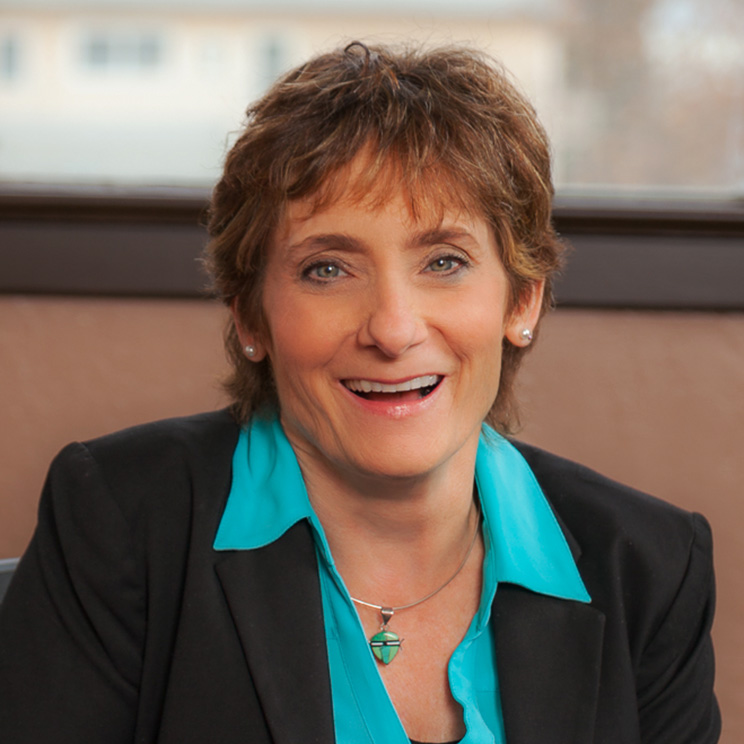
Jill Dominguez, executive director of Orange County-based Mary’s Path — one of a handful of facilities in the state that cater to pregnant and parenting foster youth — said the new plan for foster care rates would be “devastating” for short-term residential therapeutic programs and force many to close.
California Alliance of Child and Family Services CEO Chris Stoner-Mertz said she was encouraged by a cost-of-living increase for foster family agencies included in this month’s budget agreement, but also noted the industry struggles to staff up and that overhead costs aren’t sufficiently included in the new rates.
“Just giving a family more money to have those youth in their home is not going to be the panacea,” Stoner-Mertz said of foster parents. Achieving the goals of the rate proposal is “only possible when nonprofit agencies serving youth and families can keep their doors open, hire and retain top-flight staff, and invest in the best programing to meet the complex needs of our most vulnerable population.”
The plan to increase foster care rates was prompted by 2015 legislation that sought to reduce reliance on group homes and keep young people in home-based settings whenever possible. The sweeping Continuum of Care Reform called for rates to be changed by 2025, a timeline that has since been delayed.
Meanwhile, ongoing needs have gone unmet. Caregivers for youth with serious behavioral health issues say they don’t have the resources to provide the intensive therapies they need. And as a result, scores of young people have ended up spending too long in facilities or in ad-hoc placements such as hotel rooms or county office buildings.
The new rate plan fills that gap by ensuring that youth in family homes receive the same type of therapeutic services they’d receive in an institutional setting. To accomplish that goal, California will rely on Medicaid — an entitlement program that draws federal matching funds and is known in the state as Medi-Cal — for “immediate needs” like home-based therapy services, caregiver coaching and treatment programs with nontraditional options such as equine therapy.
“This will provide every opportunity to support a young person at Grandma’s house whenever possible, which has never happened before.”
— Brian Blalock, Youth Law Center

The current rate for a family taking care of an 8-year-old foster youth with the highest level of need and behavioral health issues is currently $1,613. Under the new rates, the caregiver would receive as much as $6,296 every month, plus $4,100 in additional therapeutic resources.
Brian Blalock, senior directing attorney at the Youth Law Center, described the new plan as an “incredibly innovative” way to support relative caregivers that could be a model for other states. Most foster children are living with family members, but too often, Blalock said, a lack of mental health resources and support can overwhelm relative caregivers.
“This will provide every opportunity to support a young person at Grandma’s house whenever possible, which has never happened before,” he said.
The new rates also represent a sizable increase in cash support to young adults in foster care. According to a long-term research project conducted by Chapin Hall at the University of Chicago, a quarter of all California foster youth are homeless at some point between the ages of 21 and 23.
To try to avoid that outcome, beginning in 2027, young adults in foster care living on their own will receive nearly double the $1,206 monthly stipend for “supervised independent living placements.” Under the rate reform, that amount will jump to $1,788, plus $500 for enrichment activities, bringing the total to $2,228.
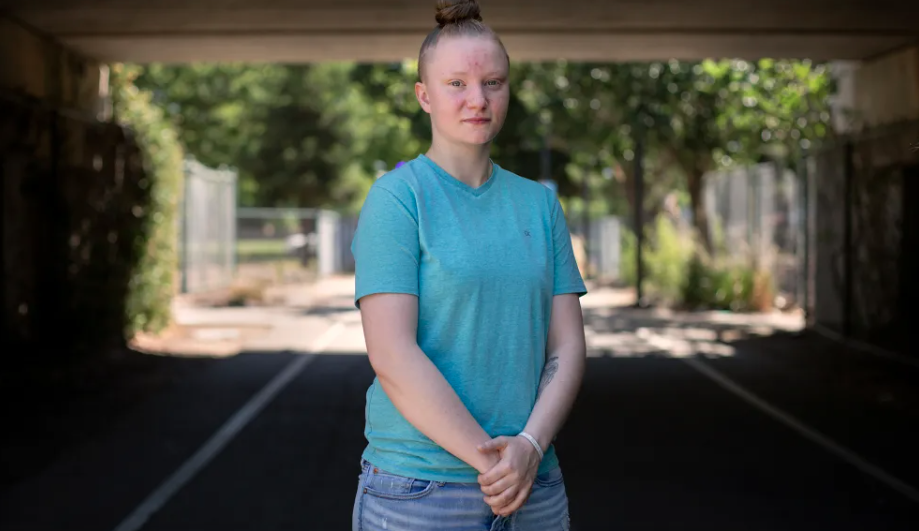
Tanner, a 23-year-old advocate from Sacramento who testified before state legislators last month, said those extra funds will go a long way for young adults just scraping by with the basic necessities — and change the goals for them.
“Instead of talking about how they’re failing, or the ways that trauma negatively affects them, we can start having conversations about what are a young person’s strengths and what are they good at?” Tanner said.
“We really need to get away from this goal of hyper-independence for young people. We want them to have a support system that can really get them assistance so they’re able to grow up to be successful adults.”

Stories like these take time and many resources to produce. We can’t do this without support from our community. Donate today – any amount makes a difference.