


Rick Jackson, the Georgia billionaire who has trumpeted his childhood in foster care as part of his campaign to become the state’s next governor, fell short of claiming the Republican nomination Tuesday.
Neither Jackson nor his main rival, Lt. Gov. Burt Jones, secured more than 50% of the vote in the Republican primary for the governor’s race on Tuesday. But the fight between the two isn’t over — they will face each other again in a June 16 runoff.
Georgia’s general election is set for Nov. 3.
Jackson and Jones were considered the top Republican contenders in a crowded race that has been marked by court disputes, theatrical ploys and attack ads. Along with Jones, other government incumbents included state Attorney General Chris Carr and Secretary of State Brad Raffensperger.
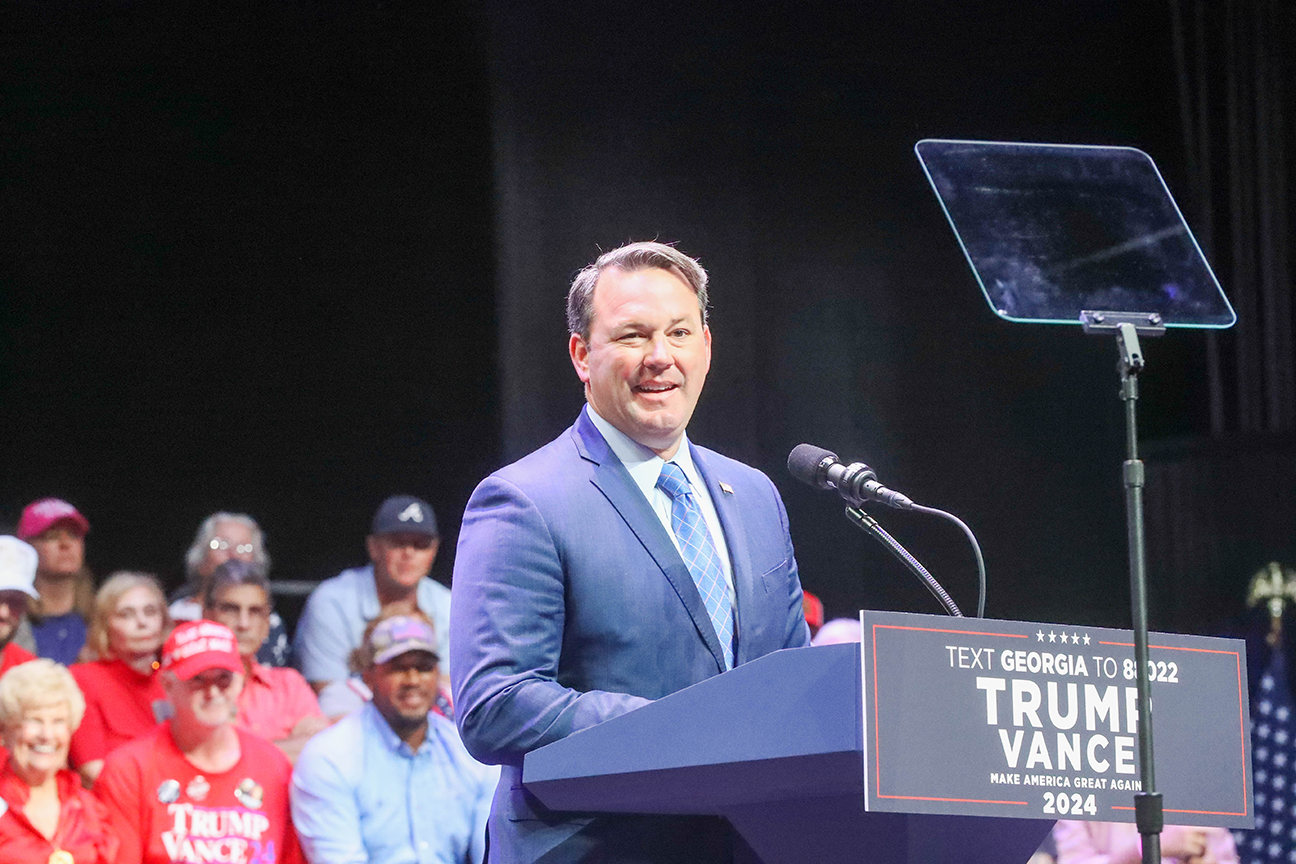
On Wednesday, the lieutenant governor challenged Jackson to a second debate ahead of the runoff. Jones,who has been endorsed by President Donald Trump and has a long political presence in Georgia, had been considered the favored Republican candidate before Jackson’s surprise February announcement that he intended to run for the top state post.
Despite this being his first attempt at seeking political office, the Jackson Healthcare founder and CEO made fast inroads into the race with an aggressive, pro-Trump advertising campaign that featured country tunes and snappy slogans like “Foster care to billionaire.”
Pouring at least $50 million of his personal wealth into his campaign, Jackson became the leading Republican in ad spending across the nation and helped cement the 2026 Georgia primaries as one of the most expensive in U.S. history.
“Barely more than 100 days ago, we sent an earthquake through the political establishment when we entered the race,” Jackson told supporters last night. “I think it’s safe to say we shook up the career politicians and insiders to their core.”
RELATED STORY: Who is Rick Jackson? Billionaire With Foster Care Backstory Runs for Georgia Governor
Jackson, whose business claims $3 billion in revenue annually, has enjoyed a relatively steady lead in voter polls. Even so, he trailed behind his chief opponent on Election Day, grabbing 32% of the votes compared to Jones’ 38%. Jones told his supporters Tuesday night that his election day lead among voters was something he “quite frankly didn’t expect,” given the momentum of Jackson’s campaign.
Jackson performed better in more urban parts of Georgia, including around Atlanta, Augusta and Columbus. Jones garnered more votes in rural counties.
Among the Democrats running for office, former Atlanta mayor Keisha Lance Bottoms clinched an anticipated victory Tuesday night. Georgia hasn’t seen a Democrat governor since 1998 and has never had a Black or female governor. If elected, Bottoms would become the nation’s first Black woman governor.
“Georgians sent a clear message tonight,” Bottoms said during her acceptance speech. “They want a fighter, someone who will stand up to Donald Trump,’’ she said. “Let’s be clear, the only people Burt Jones and Rick Jackson have fought for are themselves.”
Nominations for several federal and state seats were also up for grabs in the battleground state.
Jackson has leaned on his foster care past as a unique campaign platform and has highlighted his role in establishing a special state tax credit that supports aging-out youth. In past interviews, he has said that he entered foster care at age 13 and moved through five foster homes and a faith-based children’s home before aging out.
Yet while pushing this backstory to the forefront of his campaign, neither he nor any other candidates have discussed specific policy ideas related to the state’s foster care system during the race.
In response to an inquiry from The Imprint, a Jones spokesperson listed the lieutenant governor’s accomplishments, including free IDs for former foster youth experiencing homelessness and expanding an autism screening pilot program for foster youth.
Georgia’s governor is charged with selecting the head of the state’s Division of Family and Children Services, which has grappled with financial troubles this past year.Last week, Rep. Katie Dempsey was appointed the chair of a new foster care committee, which will evaluate “rapid escalation of costs”in the division that “jeopardizes” services for 10,000 children.