

At an hours-long public hearing in the state Capitol today, dozens of New Yorkers testified about problems with the way child abuse and neglect allegations are reported and investigated, calling out racial disparities and too many unfounded reports that trigger upsetting CPS investigations.
Hannah Mercuris, senior policy counsel at the Center for Family Representation, criticized the state child welfare agency for an “intentional lack of transparency.” She questioned why some child maltreatment reports received by the State Central Register of Child Abuse and Maltreatment (SCR) are considered priority calls warranting an unannounced home visit — and others are summarily dismissed.
“Requiring that the SCR be transparent, consistent and discerning in preventing unnecessary investigations is the very minimum of what New York families are owed,” Mercuris said. Current practice, she added, leaves too many families suffering “unnecessary and unrelenting investigations, over and over again.”
State and local officials also testified before Assemblymember Andrew Hevesi, the chair of the Committee on Children and Families.
Jess Dannhauser, commissioner of New York City’s Administration for Children’s Services (ACS), acknowledged the state hotline’s “critical role in keeping children safe.” But he also called out the stark racial disparities and an often unnecessarily high volume of calls that hotline screeners receive.
This year, he said his city agency investigated more than 40,000 reports that originated from the state hotline, triggering disproportionate numbers of investigations in communities of color. Black children in New York City are nearly seven times more likely than white children to be involved in a child protection investigation. Latino children are nearly five times more likely.
“ACS is responding to thousands of reports each year, the majority of which are not indicated for abuse or maltreatment,” Dannhauser said.
“Our staff answer a wide range of calls, many of which detail the most egregious accounts of abuse and neglect. They are the ones who experience the secondary trauma of learning a child may have been abused, or hearing the trepidation a caller may have based on what they have seen or heard.”
— DaMia Harris-Madden, New York Office of Children and Family Services
Calls that are accepted or “indicated” are referred to local child welfare agencies for a typically unannounced home visit. But at today’s hearing, Dannhauser said: “We are seeing a lot of calls that are accepted that really don’t need an investigation — and we think what could bridge that gap is some local discretion.”
Assemblymember Hevesi led the Albany hearing where lawyers, legal advocates and parents presented their concerns in person and through a video conference platform.
Hevesi navigated at-times emotional testimony, which focused on the critical early stages of the child welfare system. Hotline workers make the first determination of whether a child is at risk and a maltreatment report sounds warranted. They also decide which calls are forwarded to local agencies for investigation.
According to a March report released by NYC Family Policy Project, half of all hotline calls nationwide are “screened out,” or determined to fall short of requiring a CPS visit. But in New York State, 75% of calls are passed along to local child welfare agencies for investigation. The majority of those calls — almost 80% in New York City alone — turned out to be unfounded or false, according to city data cited in the report.
Eliminating anonymous reporting was a primary focus at today’s hearing. Several parents shared stories of being forced to answer to CPS despite repeated false reports — often made by abusive exes.
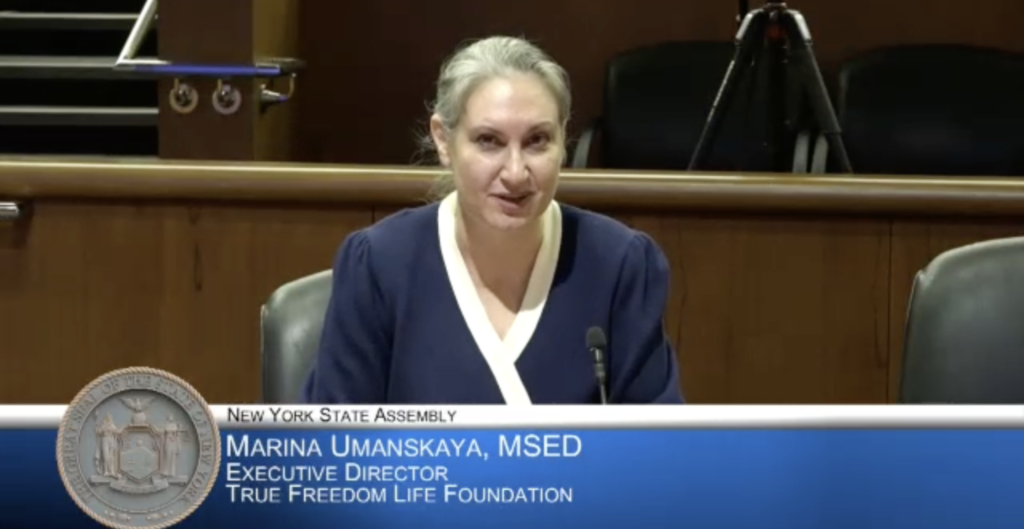
When Marina Umanskaya tried to leave her violent partner, she said he told her explicitly that he would “use ACS to get revenge.” She told lawmakers that he next informed a pediatrician that Umanskaya was abusing their daughter, which was automatically reported to the hotline by the physician who is a mandated reporter.
“This system no longer protects those children,” Umanskaya testified. “Instead, most of the time, it breaks up families and ruins our lives. In our society, especially among parents, ACS is often seen as a tool of revenge.”
Cherriese Bufis-Scott, a mother from Rochester, said she left her abusive partner and ended up in the shelter system with her children. While she was still homeless, Bufis-Scott testified that false calls were reported to her child’s school, accusing her of trafficking her daughter for sex. Subsequent inquiries by the authorities lasted for years, and compounded the trauma of leaving her abusive ex.
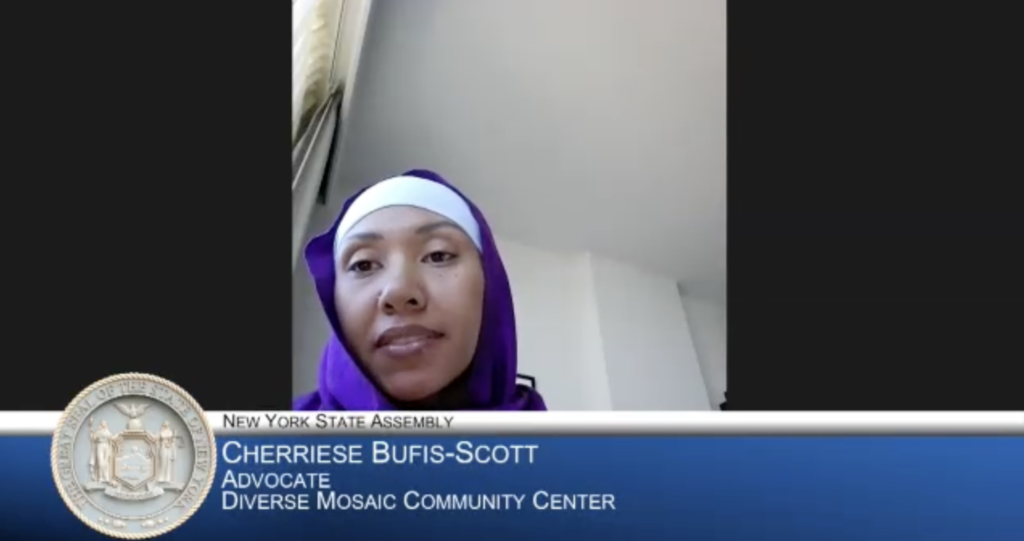
“There’s already a fear when you leave,” Bufis-Scott said, “the fear that you’re not going to make it, the fear that you’re still going to be attacked or harmed — that your children are going to be harmed.”
Deana Tietjen, deputy executive director of the nonprofit Children’s Law Center (CLC), said she often sees parents “weaponizing” the state hotline and CPS, to gain an advantage in custody proceedings.
“CLC’s attorneys and social workers have observed countless individuals — usually litigants in our cases — make false calls to the SCR in a misguided attempt to get an emotional child custody and visitation litigation.”
State and local officials spoke sympathetically at the hearing, as they commented on proposed solutions that include banning anonymous reports to the hotline and the loosening of requirements for mandated reporters.
“We don’t want to re-traumatize families, particularly when there could be a lapse in communication,” said DaMia Harris-Madden, commissioner of the state Office of Children and Family Services. “We just want to make sure that we’re doing the right things with families.”
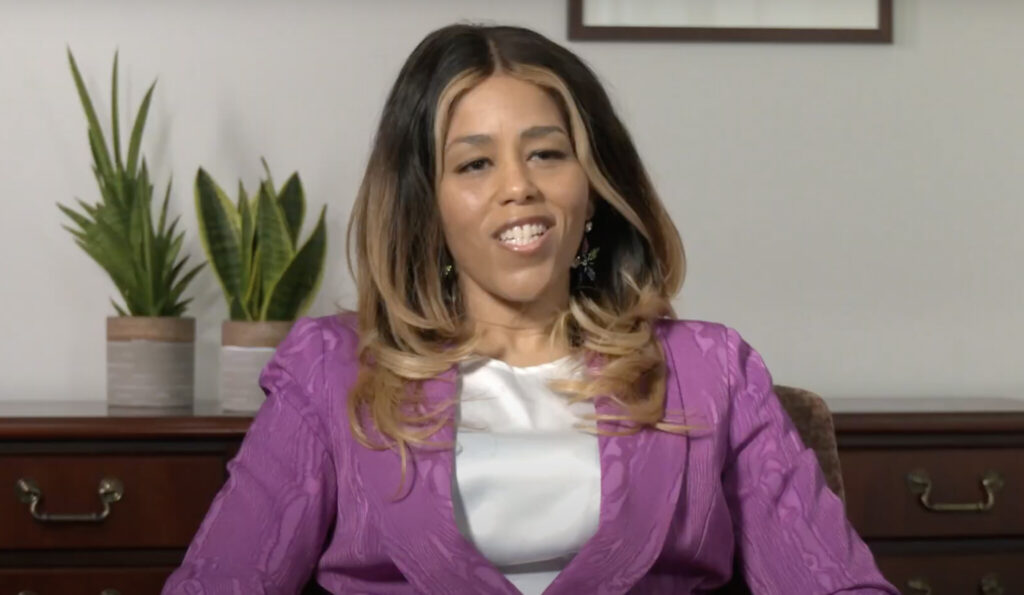
Harris-Madden agreed to consider certain changes: allowing local agencies to directly reject state hotline workers’ recommendations, and improving collaboration among decision-makers about which cases are the most in need of CPS workers’ time.
She commended the hotline staff’s “commitment to the safety and well being of our children and families,” despite the tough requirements of their jobs.
“Our staff answer a wide range of calls, many of which detail the most egregious accounts of abuse and neglect,” Harris-Madden said. “They are the ones who experience the secondary trauma of learning a child may have been abused, or hearing the trepidation a caller may have based on what they have seen or heard.”
Along with the state’s child welfare agency’s Deputy Commissioner Gail Geohagen-Pratt, she pointed to recent positive changes that the agency has made. It now refers callers who are in need of immediate housing or food assistance to a separate line, in order to connect them with resources rather than face possible removal of their children.
The Department of Education has also helped train hotline workers to ask more questions about schools’ responsibility in reported cases of “educational neglect,” which focus on parents failing to ensure their kids attend class.
At the hearing, other fixes were proposed. They include adding a secondary level of screening and eliminating criminal penalties for mandated reporters who choose not to call the state registry.
Lawmakers are considering related legislative changes that parents’ rights activists have been pushing for years. They focus on requiring hospitals to receive informed consent from pregnant and parenting moms before they are drug-tested and reported to CPS, and requiring that agency workers provide investigated parents with the equivalent of Miranda rights.
At today’s hearing, state officials were hesitant when asked about barring anonymous reports that could cut down on unwarranted investigations.
“I wholeheartedly agree that the SCR should not be weaponized and should not be used as a way to try to get back at someone,” Geohagen-Pratt said. But she went on to describe reports involving callers who refused to reveal their identities due to fears of being harmed by the family they were reporting.
Opponents of the anonymous reporting bill have also said such a law could deter children from reporting on abuse within their families.
Kathryn Krase, a former social worker and director of a firm that trains mandated reporters in various organizations, said too often, the judgment of mostly inexperienced hotline workers takes precedence over the views of “licensed professionals with significant connection to the communities they serve.”
Krase added that “current policies and practices force tens of thousands of professional reporters to be complicit in unnecessary harm to families each year.” She proposes rewriting state protocols “to empower the reporter to utilize their own professional skills and related resources whenever a report is not required.”