
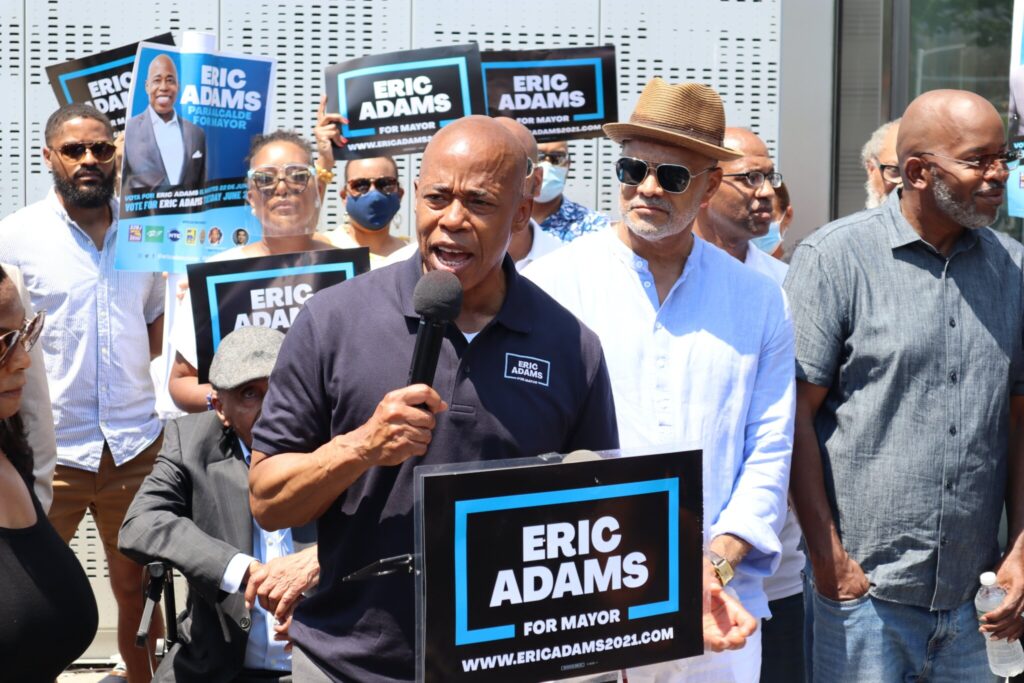
Brooklyn Borough President Eric Adams has a commanding early lead in this week’s Democratic primary vote counting for New York City mayor, making him the strong favorite to replace outgoing Mayor Bill de Blasio next year and head one of the nation’s largest child welfare and juvenile justice systems.
Under the city’s new ranked-choice voting system, it could take weeks to finalize the vote. Absentee ballot and voters’ second-choice selections still must be tabulated, and the second- and third-place finishers Maya Wiley and Kathryn Garcia still have small chances to overtake Adams. The general election between Tuesday’s Democratic and Republican primary winners take place in November.
If Adams is victorious — as is widely expected in the overwhelmingly Democratic city — the former longtime police officer has said he will prioritize public safety, something city residents appear to be clamoring for amid a recent increase in shootings. He describes community support for young people as necessary to stem violence and address long-standing inequalities.
“The number of our babies in foster care that age out with no support at all is feeding our criminal justice system, and we don’t seem to care,” Adams said during a June 10 televised debate.
A week earlier, the former state senator, 60, stood outside the former Spofford Juvenile Detention Center in the Bronx, describing how he spent a night there as a teenager decades ago. The United States Supreme Court once described the notoriously abuse-ridden, rat-infested lockup for children as “indistinguishable” from an adult prison.
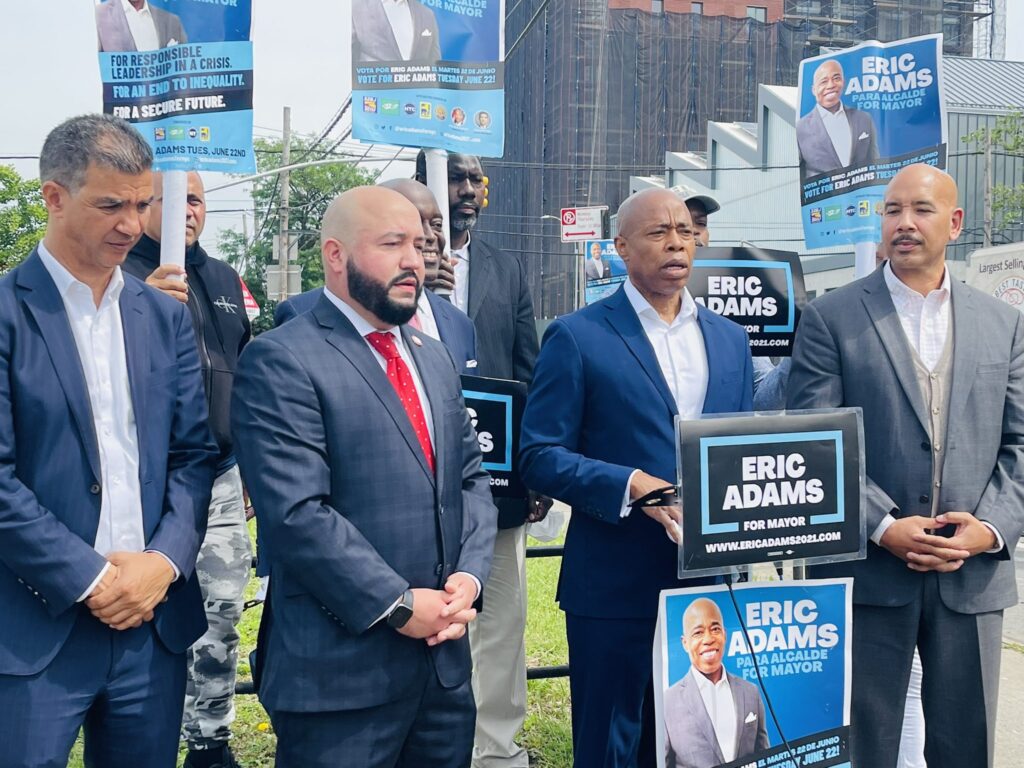
“Yesterday, a 15-year-old child was shot in Harlem. When I went to that building, Spofford, I was 15,” he said. “You could be all the way in Staten Island, but you knew about Spofford. Spofford was the place where dreams died. My dream was supposed to die in Spofford.”
Adams has vowed to be the “upstream” mayor focused on prevention, and has emphasized extending the city’s well-regarded Summer Youth Employment Program to be year round. He has voiced consistent support for the city’s Fair Futures program, which provides full-time mentor-coaches for foster youth and young adults. Adams has also promoted a new mentorship program for foster youth, though his website doesn’t offer many details.
“We can’t continue to run our city downstream, where we’re only pulling out Black, brown and immigrant children and families. We have to go upstream and prevent them from falling into the river in the first place,” he said in the Bronx. “We’re gonna continue to tear down the Spoffords symbolically throughout our city, and give our young people the opportunities they deserve.”
The Adams campaign did not respond to requests for comment on his plans for the city’s Administration for Children’s Services by press time.
In a city council hearing last week, administration leaders touted their efforts to support families devastated by the pandemic, and shrink the city’s foster care population. Youth and family advocates who testified stressed ongoing crises, including decreased recruitment of family foster homes, and a lack of due process protections for parents.
But in an email, the leader of one of the region’s largest human services nonprofits emphasized that the next mayor would not inherit a system in crisis, overall.
“The next mayor of NYC faces many challenges, fortunately child welfare is not one of them,” said Jeremy Kohomban, president and chief executive of the Children’s Village. Kohomban cited the system’s improvements over the years “as seen in the low family separation rates, the success of Fair Futures” and the expansion of child abuse prevention services.
Those efforts, he argued, “allows the next mayor to build on a legacy of success,” including making “meaningful and measurable investments in our deeply segregated communities.”
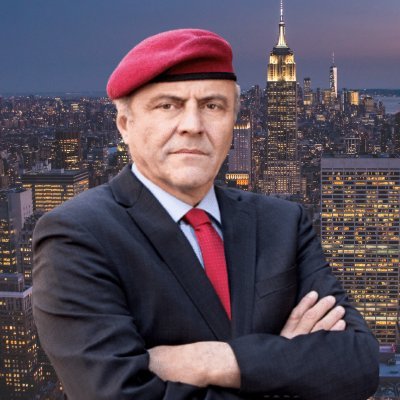
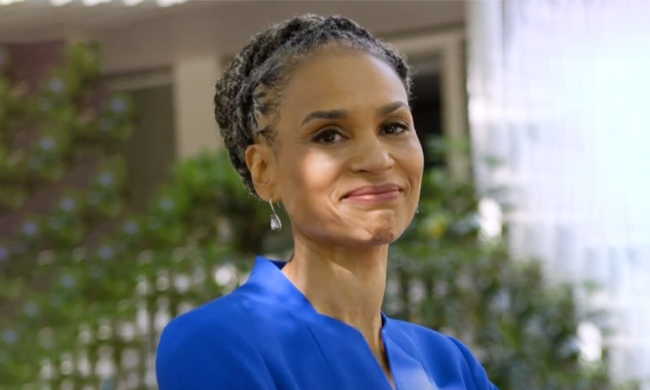
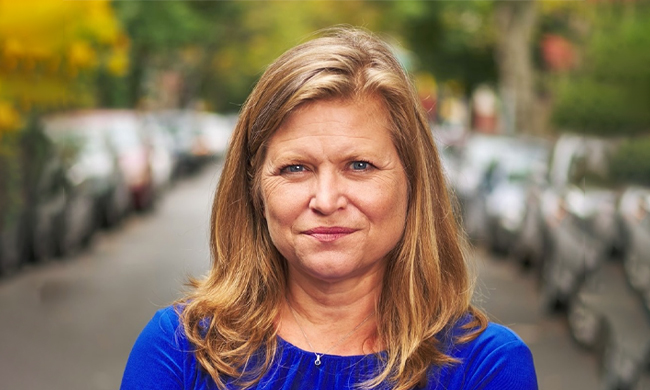
By Thursday afternoon, Adams was ahead of civil rights lawyer and former mayoral counsel Wiley by roughly nine points in the ongoing counts of an eight-candidate field. He had especially wide vote margins in Black and Latino communities across the city. Former city sanitation commissioner Garcia — who has frequently cited her background as an adoptee who grew up with foster children — also remained in contention. Whoever prevails will face Republicans nominee Curtis Sliwa in November.
Andrew Yang, the former nonprofit executive and upstart Democratic presidential candidate who initially held the lead in polling, landed in fourth place and conceded after Tuesday’s vote.
Adams has said he aims to be the city’s first “blue-collar mayor,” winning endorsements from many unions, including SSEU Local 371, which represents juvenile justice and child protection staff.
Born in Brownsville, Brooklyn and raised in Jamaica, Queens, Adams first became well-known as an officer within the New York Police Department. He was “a fierce advocate for Black officers” with “blunt-force ambition,” according to a profile published this month in The New York Times. In 1995, he co-founded 100 Blacks in Law Enforcement Who Care, a group of officers that advocated against police brutality and pushed for diversity in the ranks.
Adams was one of two leading candidates for New York City mayor who did not provide responses to a series of questions related to child welfare issues sent by The Imprint and the Center for New York City Affairs at The New School.
Responses from the six other candidates were published last month, in the most detailed and substantive statements to date on how the politicians would address racial injustice in the child welfare system, care for transition-age foster youth and the role poverty plays in separating parents from their children. Garcia’s responses touted her plans for “race-blind” child removal decision-making, and a housing guarantee for foster youth through age 25; Wiley pledged permanent funding for the Fair Futures program, and new funding for foster youth school bus transportation.
At a March rally, Adams described foster youth as “bright, young, smart, energetic, intelligent leaders of tomorrow” deserving of investment.
Yet his campaign has not often discussed an issue central to the child welfare system that has dominated recent city council hearings, policymaking in Albany and national discussions in the field: The disproportionate number of Black families caught in the child welfare system’s “front door,” resulting in the overrepresentation of Black foster children.
In recent public appearances, David Hansell, the de Blasio-appointed commissioner of the Administration for Children’s Services since 2017, acknowledged the need to “apologize for the legacy of child welfare, not just in New York City but across the country,” while citing the “deep-rooted and pernicious effects” of racism.
City activists and critics of the child welfare system want the next mayor to work with them.
Over the past year, parents and foster youth have held marches and street protests outside Children’s Services buildings, emboldened by the nationwide uprising over the killing of George Floyd by a white Minnesota officer.
“Will the person who’s eventually elected at least be willing to learn form and work with radical activists and advocates?” asked Joyce McMillan, a founder of the Parent Legislative Action Network.
As a former cop, Adams has disavowed the movement to “defund” the police, but says he supports holding officers accountable for misconduct, while investing in communities and youth services to avoid clashes with law enforcement.
He cites his own experience going from Spofford to a possible future home in Gracie Mansion as proof-of-concept for his vision.
“It was only because of nurturing. It was only because of opportunities. It was only because of people surrounding me that I went from dying not only physically, but emotionally, to having life,” he said earlier this month. “Eric Adams went from being an inmate in Spofford, to becoming the mayor that will be in charge of closing the Spoffords.”