Beginning this month, Washington officials have new authority to root out abuse and neglect of children housed in private boarding schools, residential treatment centers and the state’s school for the deaf.
Senate Bill 5515 tasks the Department of Children, Youth and Families with investigating allegations and approving licenses for facilities that had previously been beyond the scope of the child welfare agency.
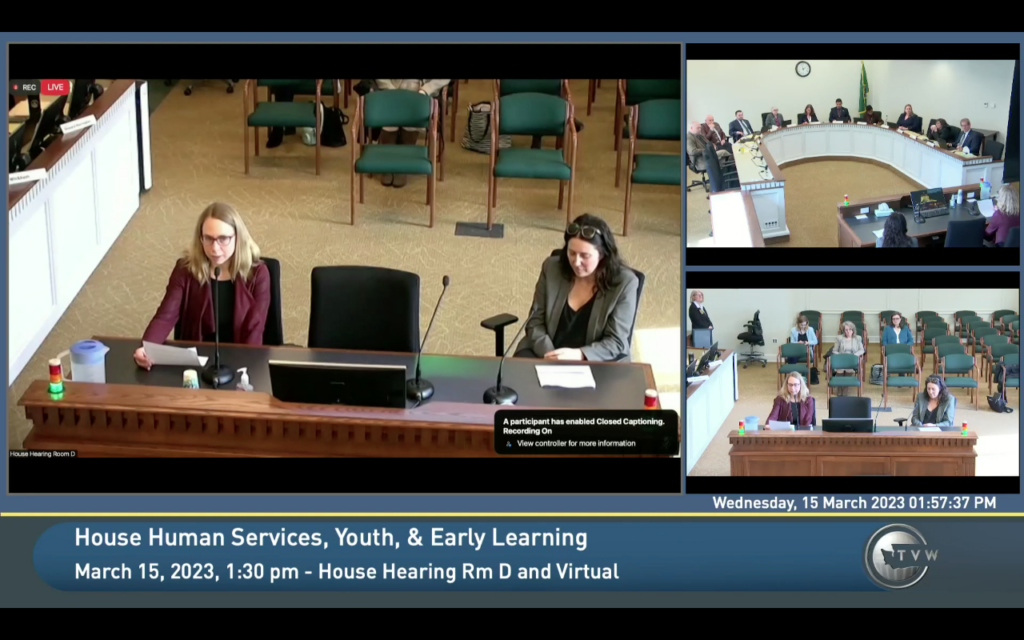
“This was an area that was just missed,” Melissa Sayer, a supervisor with the department’s licensing division, told The Imprint. “This new law is allowing us to now fill that gap, because kids need to be safe when they’re not with their parents.”
Until Jan. 1, abuse and neglect allegations in centers serving kids with substance use disorders and severe disabilities, as well as those attending private boarding schools, had not fallen under the purview of the agency managing foster care placements. Instead, law enforcement handled allegations of physical or sexual abuse, a process that requires victims to be able to speak up, and to name an alleged perpetrator. Depending on the case, some concerns were routed through the Department of Health, which focuses more on medical services and doctors’ ability to practice rather than the quality of supervision and housing conditions that child welfare officials monitor.
The new law covers mistreatment of children in residential facilities who may be medically fragile or nonverbal, Sayer said, and thus may not be able to actively participate in a police investigation. Neglectful care or conditions in a facility that may negatively affect children’s well-being — but do not amount to a crime — would also have been missed by law enforcement under the previous scope of authority.
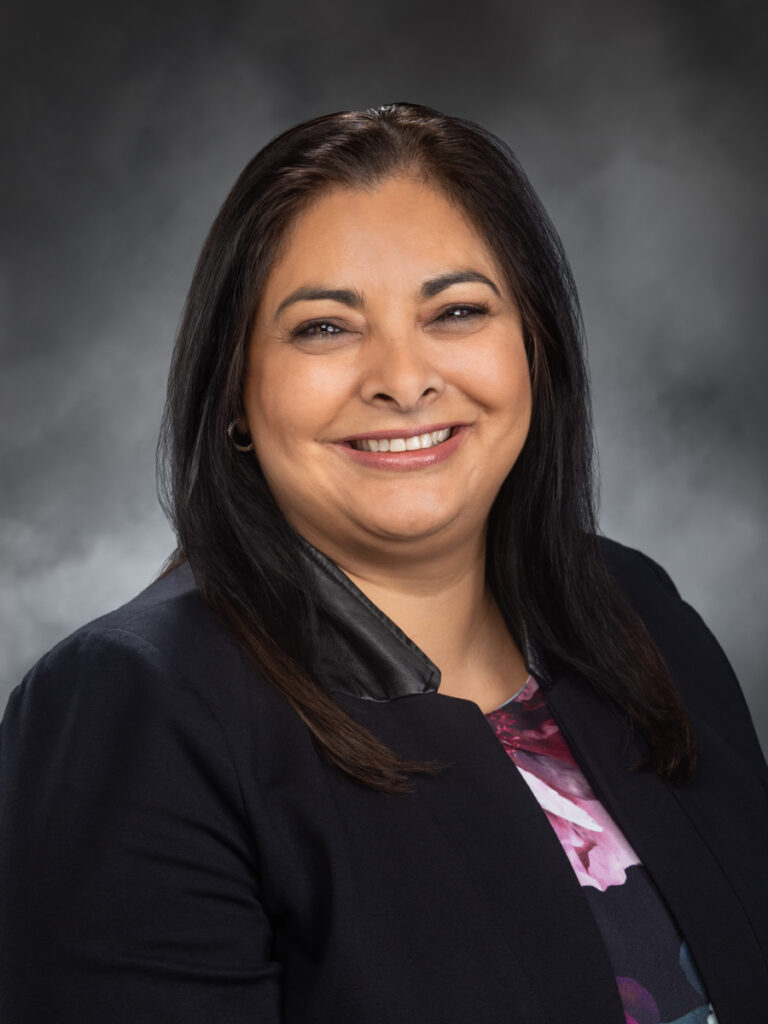
This gap in oversight left children in danger, said bill author Sen. Manka Dhingra, a Democrat representing Redmond.
“There were several incidents of abuse at private boarding schools and inpatient residential treatment facilities in our state, and the Department of Children, Youth and Families was unable to intervene and investigate,” Dhingra said in an email. “Leaving kids in dangerous situations like that is unacceptable. The department will now have the tools to keep kids safe in many more settings across the state.”
The legislation follows recent incidents that revealed harms resulting from the lack of oversight. In 2023, two inpatient behavioral health facilities run by the nonprofit Daybreak Youth Services were forced to shut down by the Department of Health Services, amid concerns that staff members were having inappropriate relationships with residents. At the company’s Spokane-area facility treating teen girls, a male staff member was accused of coming in on his days off to “hang” with the girls, according to local news outlet Spokesman-Review. At a Vancouver-area clinic called Brush Prairie that treated teen boys, former staffer Alicia Key Stowe was accused of sexual misconduct with a resident.
Under the new law, private boarding schools will also have to obtain licenses from the Department of Children, Youth and Families, unless they have national accreditation. Specifics of the new licensing regulations are still forthcoming, but will likely require facilities to meet specific standards and be routinely inspected, according to Sayer. While CPS is authorized to investigate the facilities as of Jan. 1, the licensing requirements will not begin until next year.
Sayer said an additional benefit of the new law is that her department can bring a “greater focus on rehabilitation” when concerns arise, avoiding complete closures when possible. Protective reforms could include administrative overhauls, more careful staffing and helping facilities identify and fix systemic flaws.
The state Board of Education spoke in support of the bill at a legislative hearing last spring.
“This bill helps close a loophole,” said J. Lee Schultz, the board’s director of advocacy. Board of Education approval of private schools only offer “assurances of minimum standards” regarding the safety of school buildings, qualification of teachers and educational programming. But prior to SB 5515, schools that had Board of Education approval were exempt from review by the Department of Children, Youth and Families.
Suzie Hanson, executive director of the Washington Federation of Independent Schools, which represents many of the private schools that will now require licensing, said at that same hearing that her organization was in “hesitant” support of the proposed legislation, because of an amendment allowing national accreditation to serve in lieu of a state license. But she expressed concern that the accreditation standards differ significantly from licensing requirements, and questioned whether heightened standards were necessary.
“These school leaders are experts in safety,” Hanson testified. “Nothing on a piece of paper is going to help them be more safe.”
But lawmakers backing the legislation were clear that the additional protections were needed.
“We must have accountability and compliance,” bill co-sponsor Sen. Claudia Kauffman wrote in an email, “while making sure our children are put first.”