As Washington students settle into the new school year, memorizing new locker combinations and class schedules, many foster youth will have a tougher change to adjust to: going through it all without a key member of their support team.
Last month, Graduation Success, a program run by the nonprofit Treehouse, lost a $7 million state grant to provide one-on-one assistance for high schoolers in foster care, a group of students who face heightened difficulty graduating and leaving 12th grade with a sustainable plan.
Coupled with another $500,000 grant reduction, the decrease in state funding amounts to nearly one-third of the overall revenue for the 37-year-old nonprofit, a unique organization serving school-aged foster youth in Washington state. The recent cuts have forced the group to cut the number of foster youth it assists with graduation by more than 40%, and to lay off roughly a quarter of their full-time staff.
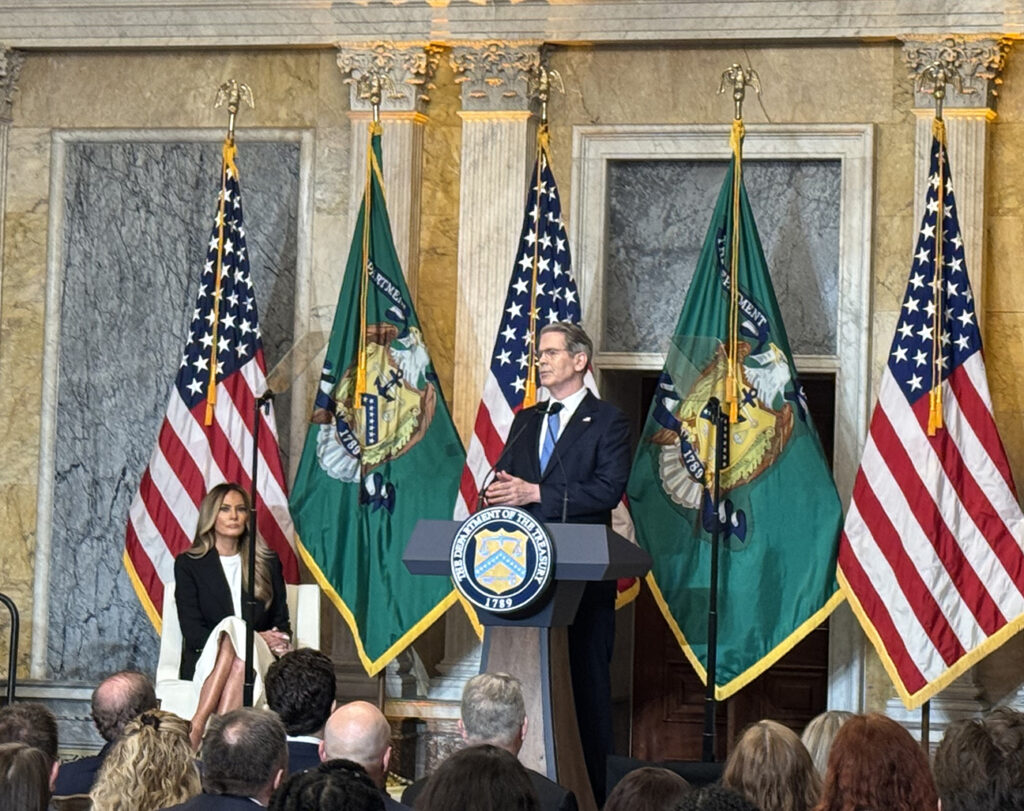
“Treehouse is very popular. Foster kids love it,” Tana Senn, secretary of the Department of Children, Youth, and Families, said in an interview with The Imprint. The news that its offerings will be scaled back this school year is “creating a gray cloud for foster youth and social workers,” she added.
Since the Graduation Success program launched in 2013, graduation rates for foster youth have gone from 31% to 50%, Treehouse CEO Dawn Rains said in an interview. And among youth who stay with the program for at least two years, 70% graduate high school.
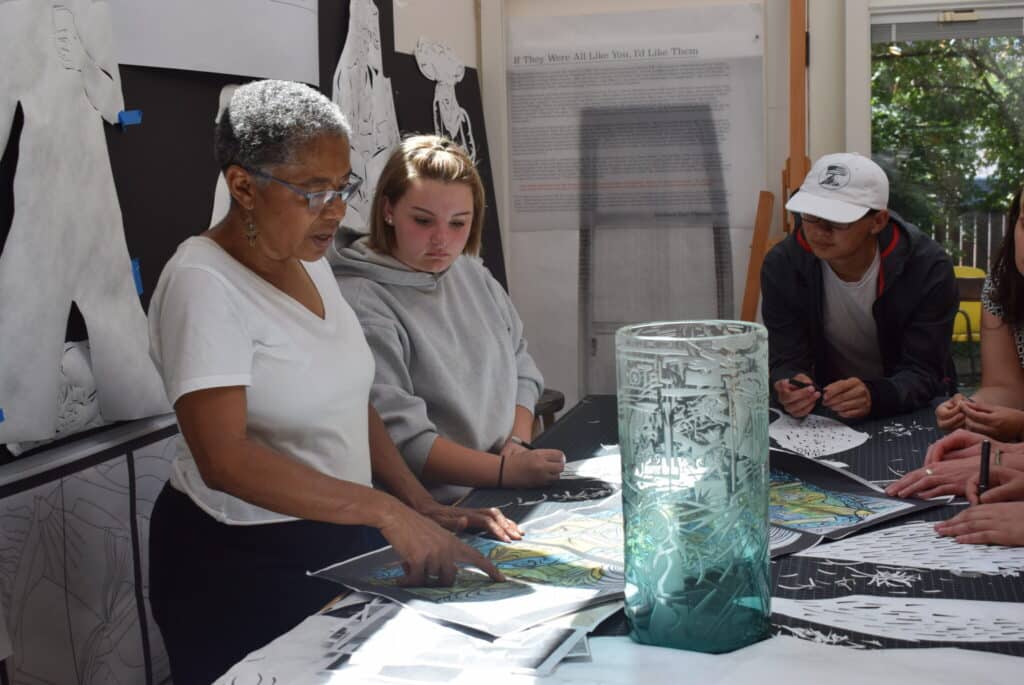
The program matches high school students who are living in foster care with one of Treehouse’s education specialists for weekly meetings. The specialists monitor things like attendance, behavior, assignment completion and other aspects of school performance. That way, they can quickly spot problems and address them.
“A lot of it is like asking, ‘what’s up with your four missing biology assignments? How are we going to get back on track? Let’s create a plan; let’s talk to the teacher,’” Rains said. “One of the core things that’s really important is that one-on-one, stable adult in a young person’s life who’s just keeping track of this stuff.”
Senn noted that her agency will not be able to backfill the work of the nonprofit.
“It’s really a unique role that — without Treehouse’s ability to provide it — won’t be provided,” she said.
Ericka Mickelson, a former King County foster youth, has received support from Treehouse since she entered the system a decade ago at age 13.
“It’s really sad that the funding is gone because their resources and the funding that was given to them changed lives,” Mickelson said. “They gave me so many opportunities that I wouldn’t have had.”
Now 23 and living in Great Falls, Montana, with her husband and 2-year-old son, Mickelson credits Treehouse with helping her turn around her high school experience. She was failing classes and frequently skipping school before her Treehouse education specialist, Tanika Eddings stepped in.
Eddings met on-campus with Mickelson weekly and enticed her to come to school regularly with gift cards. She also helped Mickelson transition to a smaller, alternative school where she got more individual help from teachers.
“Just having an incentive and someone that was there to cheer me on and support me, it was insane. I went from Fs and Ds to passes and As and Bs,” Mickelson said. With newfound confidence, she added, “I started to branch out and be more bold and out there.” Mickelson joined the Key Club service group and became vice president of the student government.
Treehouse’s educational advocacy staff also pushed for Mickelson to be placed in art classes, allowing her a form of expression she loved.
“I did so much stuff within the school that then I had that confidence of ‘I can do things for the future,’” she said. Mickelson went on to earn a bachelor’s degree in psychology from Central Washington University and now works with veterans experiencing housing instability.
“There’s clear evidence that it works — working with foster youth to ensure that they graduate from high school are dollars well spent.”
— Tana Senn, secretary of the Washington Department of Children, Youth, and Families
Funding cuts to Treehouse are among $138 million in grants for K-12 education programming eliminated from the state’s Office of Superintendent of Public Instruction budget, as lawmakers work to head off a looming $16 billion deficit.
Another Treehouse grant, this one funded through the Department of Children,Youth, and Families budget to provide educational advocacy, was also reduced — from $1.1 million to $600,000 for the coming year. The lost funding combined comprises roughly a third of Treehouse’s overall 2024 revenue.
In a statement, Gov. Bob Ferguson explained the broader reductions as necessary given the times. He said Washington chose to cut spending, rather than dip into cash reserves, so the state is in a better position to weather massive federal cuts to social services and threats from the Trump administration to withhold funding from states over political disagreements. Ferguson signed the 2025-27 biennial budget in late May.
Rep. Mia Gregerson, vice chair of the House Appropriations Committee, said children, families and foster youth were “top of mind” during budget negotiations, and that the Legislature “worked hard to prioritize the basic needs all families face, such as food, health care and shelter” amid challenging times.
“We know Treehouse is a national leader in addressing the academic and other critically important needs of foster youth in our state. Reducing state funding for Treehouse this biennium was one of the painful decisions we had to make this session,” Gregerson said in an email.
She also said while some groups saw their grants cut, the state made broader investments in public schools and special education available for all Washington children.
“It’s really sad that the funding is gone because their resources and the funding that was given to them changed lives.”
— Ericka Mickelson, former Treehouse student
Before the program’s funding was cut, this past school year it assisted around 140 high school seniors.
In a video celebrating their accomplishments, several spoke of the lofty goals they’re eyeing next: law school, dental school, double-majoring in computer science and psychology. Buying a home, starting a family. They reflected on accomplishing more than they believed they could, and setting a cycle-breaking example for younger siblings.
One graduate from Riverside High School named Justin shared a shoutout to his Treehouse education specialist, Jonathan: “He’s helped me get college all set up for, get a laptop for school, helped me graduate and get everything I need in order to succeed.”

Education specialists with Treehouse work with young people like Justin on “student-centered planning” — deciding which goals to pursue, and mapping out short- and long-term steps to accomplish them.
Treehouse staff member Gina Cariño recalled her early days with Mateo, a junior: “He was still unsure of what his future would look like, and sometimes education was the last thing he wanted to talk about,” she wrote in a blog post.
But the two were both musicians and connected on that common ground, and eventually Mateo started thinking about music as a college and career goal. He enrolled in community college classes the summer before his senior year, joining the school’s drum corps. He left high school headed to a four-year university with a spot in the woodwind ensemble and plans to study music education.
“His future is bright, and I feel so incredibly lucky to have witnessed his growth over the past two years,” Cariño wrote.
Over the past decade, the state had steadily increased the Graduation Success program’s grant allowing it to expand from a few school districts in King County, to all 39 counties in the state.
Now, the program will be available only in King County, and most of Spokane, Clark and Pierce counties.
In the meantime, a partial, temporary reprieve has been provided by the state’s Office of Superintendent of Public Instruction, which allocated $1.4 million in discretionary funds to help keep the program afloat until the Legislature meets again next year.
Treehouse will continue its educational advocacy work preventing unnecessary school changes, ensuring districts provide special education assessments and accommodations, and helping schools address behavioral issues to avoid suspensions and expulsions. But waitlists for individual services could be longer, Rains cautioned.
Senn — a former state representative whose bills have improved access to developmental disability services and addressed the foster-care-to-homelessness pipeline — took office in 2024, replacing former Secretary Ross Hunter.
Senn said she’s hopeful that her former colleagues will reinstate the nonprofit’s funding next year.
“There’s clear evidence that it works — working with foster youth to ensure that they graduate from high school are dollars well spent,” she said. “I understand the dire budget situation, and there are plenty of cuts that I will not be asking for backfill. But Treehouse is one.”