
As New York lawmakers scrambled to fit in their priorities at the end of last month’s session in Albany, they passed a groundbreaking piece of legislation for families in the child welfare system: a bill to end anonymous reports to the state’s child maltreatment hotline.
Parents’ rights activists have long opposed the practice, highlighting stories of traumatic CPS investigations, too often prompted by unidentified callers making false claims of abuse.
The Anti-Harassment in Reporting bill received bipartisan support, and passed weeks ago with a strong majority.
But in a June 27 letter obtained by The Imprint, the commissioner of the state’s Office of Children and Families (OCFS) indicated concerns about the bill’s impact, suggesting it could deter legitimate reports of child abuse.
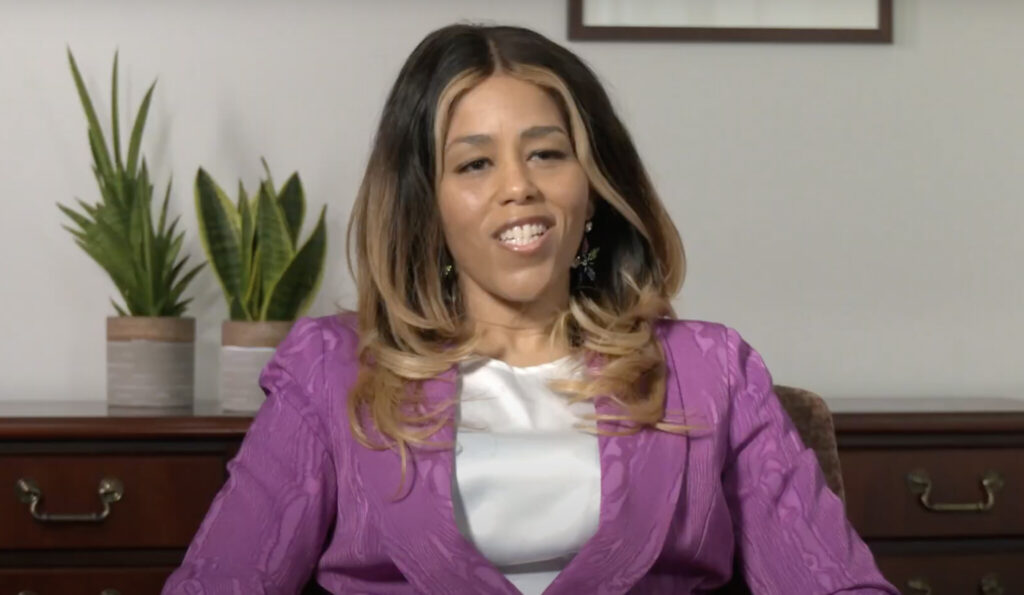
“Not all anonymous callers call in false reports,” Commissioner DaMia Harris-Madden wrote to the New York State Citizen Review Panels for Child Protective Services. “In some instances, the caller may be a child, a victim of domestic violence, a family member with intimate knowledge or a neighbor who can hear abuse through an apartment. They may be too afraid of the perpetrator to provide their identity, which does not negate the need for intervention.”
The Legislature has until the end of the year to formally deliver the bill to Gov. Kathy Hochul for her signature or veto. If signed, New York would join Texas as the only other state that firmly curbs anonymous calls.
The impact of Commissioner Harris-Madden’s comments to the citizens’ review panel on Gov. Hochul’s final decision is unclear, as behind-the-scenes debates and meetings over the proposed legislation continue. Some note that it is too early to know for certain.
This is not the first time the state child welfare agency has expressed discomfort with the yearslong push to end anonymous reporting in New York. While testifying at a public hearing in 2023, former acting commissioner Suzanne Miles-Gustave expressed support for allowing anonymous calls.
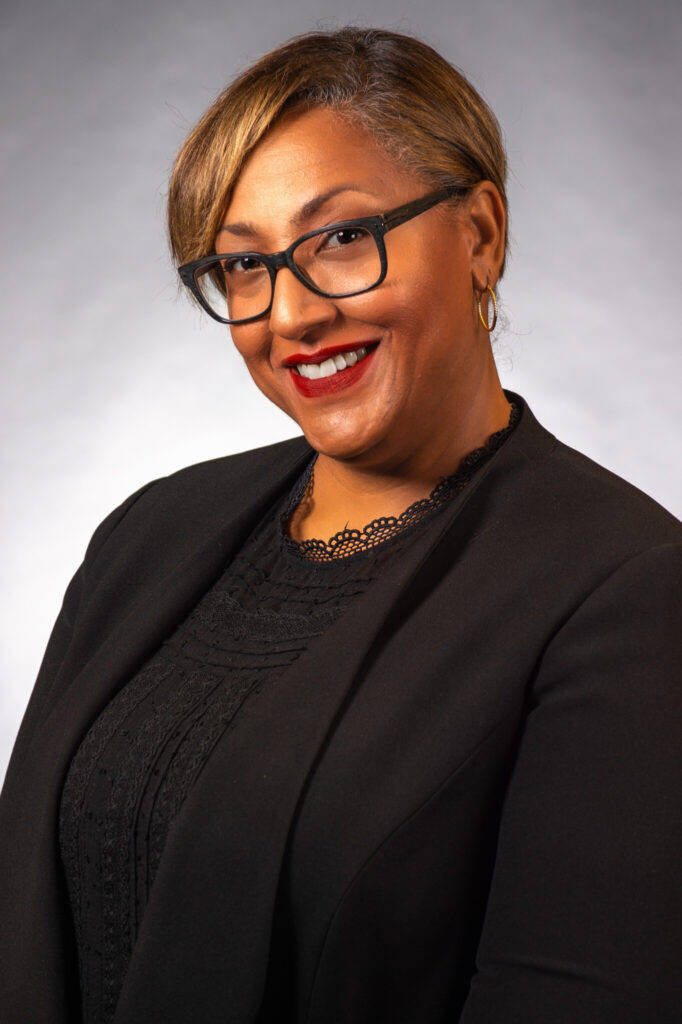
“No one should ever know the name of an anonymous reporter,” Miles-Gustave said, “or any reporter, quite frankly.”
Sponsored by Sen. Jabari Brisport and Assemblymember Andrew Hevesi, the Anti-Harassment in Reporting bill requires callers to leave their name and contact information when they contact the Statewide Central Register of Child Abuse and Maltreatment. It also protects the reporter’s confidentiality by prohibiting the state Office of Children and Family Services (OCFS) from releasing any identifying information about the caller, unless ordered by a judge in certain cases.
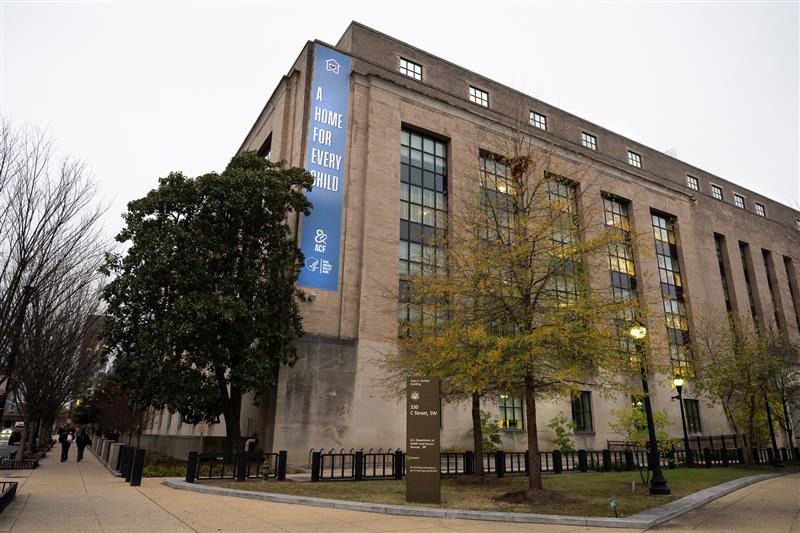
A spokesperson from the state child welfare agency reached this week said her office does not comment on pending legislation. But the state’s Citizen Review Panels for Child Protective Services — an advisory body that evaluates state and local child welfare policies and practices — did receive some indications last month in Harris-Madden’s seven-page letter commenting on a variety of child welfare topics.
Established under a federal mandate, these panels are made up of volunteer members with expertise in the designated field. In this case, the group is composed of social workers, attorneys and parents with lived experience, divided into the New York City, eastern and western panels. They advocate for legislative changes, collaborate with state and local social services leadership, and compile annual reports with recommendations for improving the child welfare system.
“Not all anonymous callers call in false reports. In some instances, the caller may be a child, a victim of domestic violence, a family member with intimate knowledge or a neighbor who can hear abuse through an apartment.”
— NY Office of Children and Families Commissioner DaMia Harris-Madden
Although in the past the advisory panel members have held different opinions on the topic of anonymous reporting, this year the majority was in favor of ending the practice. In its 2024 report and recent letter, the advisory body endorsed the Anti-Harassment in Reporting bill and asked the commissioner whether she would recommend that Hochul sign the legislation.
Todd Sage, a social work professor at the University of Buffalo and chair of the western panel, acknowledged the controversial nature of the bill. He pointed to his own experience during 12 years as a Child Protective Services worker.
“I know I’ve intervened on many children’s behalf from anonymous reports that were absolutely needed, and so it’s not something that many of us take lightly to make this recommendation,” Sage said. “However, the child welfare system, in many ways, is its own traumatizing system.”
The viewpoint of Harris-Madden, a Hochul appointee, can have a significant impact on the governor’s decisions, two members of the panel said, and the commissioner’s latest stand feels too vague for them to be certain about her recommendation, Sage added.
Although “they’re the ones that can sit down at the table with Gov. Hochul’s team,” he said, “it’s really not a response.”
In her June letter, Harris-Madden made mention of concerns about anonymous callers.
“OCFS acknowledges there are individuals who use CPS to harass children and families in New York State,” she wrote. But she also suggested that eliminating the anonymous calls may not deter false reporting, and some reporters may provide fake identifying information.
Instead, she said a more effective approach would be to prosecute harassing callers through the District Attorney’s office.
“By focusing on efforts to strengthen and improve how false reporting is handled at the state and local level, we can reduce the use of the child welfare system as a weapon, while continuing to protect the safety of the children,” Harris-Madden stated.
“I know I’ve intervened on many children’s behalf from anonymous reports that were absolutely needed, and so it’s not something that many of us take lightly to make this recommendation. However, the child welfare system, in many ways, is its own traumatizing system.”
— Todd Sage, Former social Worker and chair of NY’s western Citizen Review Panel
But panel members said that harassing callers are almost never prosecuted, and that the state agency has claimed for years that its hotline staff do not have the resources to vet every caller. Mary McCarthy, co-chair of the eastern citizens’ panel, said county commissioners of New York’s 58 local social service departments don’t want the liability of overlooking a valid report.
“If an anonymous report was not taken, and a death happens, the press goes crazy,” said McCarthy, a retired professor and director of social work at SUNY Albany. “And that commissioner will likely lose their job. So, where’s the win in that for them? It’s better to keep the system that exists, from their perspective.”
McCarthy, who stressed her disagreement with that perspective, said she supports the pending bill, adding that more statewide data would be needed to understand the impact of these reports. To date, there has been limited analysis of anonymous reports outside of New York City.
Anonymous reports to the child maltreatment hotline in New York represent a small percentage of all calls made to the hotline, and their substantiation rate — the number of abuse or neglect allegations that CPS determines are legitimate — is also far lower. According to data analyzed by the nonprofit Family Policy Project, out of more than 4,000 children in New York City involved in child maltreatment investigations due to anonymous reports in 2023, fewer than 7% were substantiated.
Christine Gottlieb, longtime director of New York University School of Law’s Family Defense Clinic, said she expects the commissioner will consider the “well-documented harms” of anonymous reporting in her advice to the governor, and highlight the numerous groups of children’s advocates, child welfare professionals, academics and domestic violence survivors that have called for this reform.
“I fully expect she is going to bring all of that to the governor’s attention,” Gottlieb said. “OCFS says that it’s committed to reducing the racial disparities in the family regulation system and the trauma of unnecessary investigations, and this legislation is a chance to do exactly that.”
Michael Fitzgerald contributed to this report.