
Lawmakers have paved the way for New York to become one of only two states in the country that requires people reporting child abuse and neglect to identify themselves.
If signed into law by Gov. Kathy Hochul, the bill passed by the state Legislature Monday would address the long-standing but controversial practice of accepting anonymous calls at the state hotline. Bill proponents say the reform is needed to free up CPS workers to focus on credible claims instead of pursuing false reports made under the cover of anonymity.
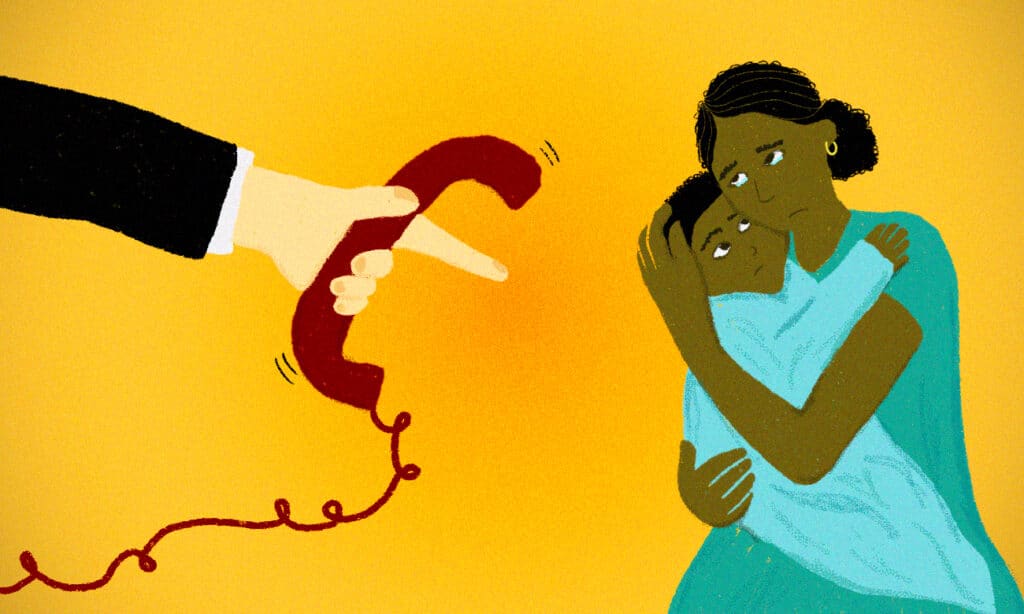
Parents who have testified before the Legislature and legal advocates say anonymous callers who make false reports subject families to far too many frightening home investigations that have lingering effects on kids.
“CPS investigations are so traumatic — and so easy to trigger — that making repeated false reports is an enormously effective means of harassment for those with a score to settle,” the bill’s sponsor, Sen. Jabari Brisport, said in a statement to The Imprint. “There’s a reason that behavior is illegal, and this bill will enable New York to actually enforce the law.”
If signed into law by Gov. Kathy Hochul, New York will join Texas as the only states that firmly curb anonymous calls. Although California passed a similar law in 2024 requiring CPS screeners to ask all callers for their contact information, it still allows non-mandated reporters to make anonymous reports.
In New York, the Anti-Harassment in Reporting bill, co-sponsored by Assemblymember Andrew Hevesi, requires a caller to leave their name and contact information when they contact the state’s child maltreatment hotline.
If a caller refuses, a formal investigation cannot happen, according to the bill’s language. Instead, the caller will be informed about the state’s HEARS line — an alternative path that connects families to community services such as childcare, housing, and mental health services.
“This system has led to a tremendous waste of state resources in pursuing meritless allegations, as well as inexcusable racial disparities that disproportionately impact Black and Brown families by leading to unnecessary interactions with child welfare services that can forever change a family,” the bill’s language states.
Protections would be built into the new law for callers, too. To ensure confidentiality for the reporter, the bill also prohibits the state Office of Children and Family Services from releasing any identifying information about the caller, unless ordered by a judge in certain cases.
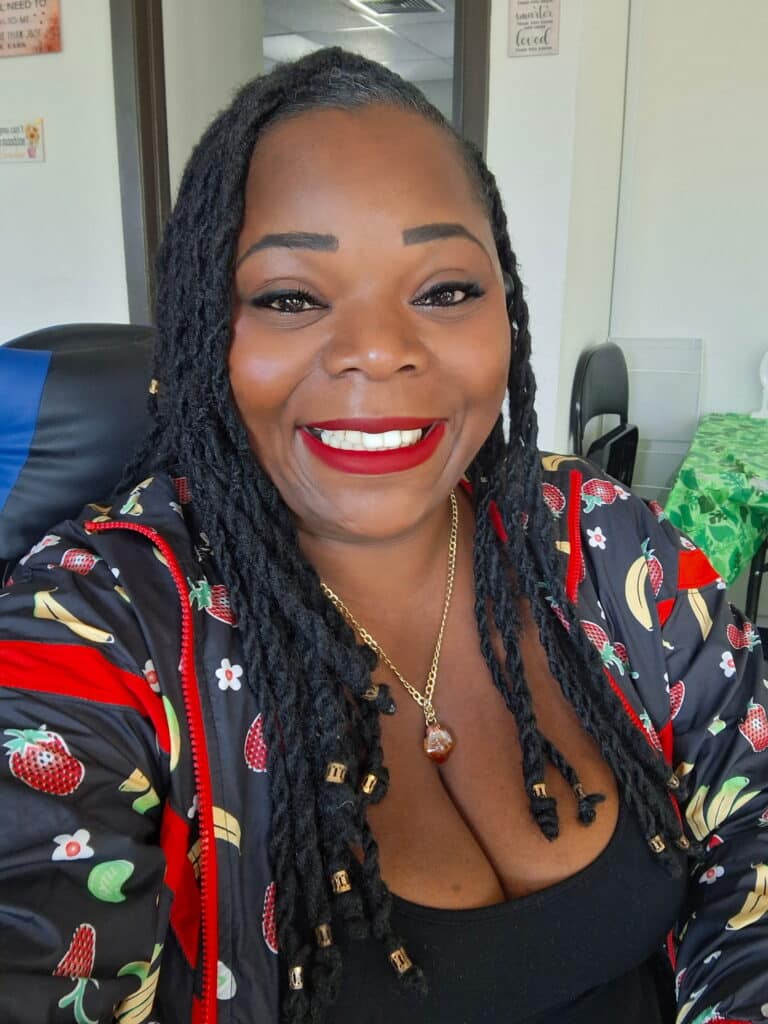
The bill’s passage is particularly meaningful for 47-year-old mom Halimah Washington. She remembers the unsettling experience of meeting her first caseworker at the age of 9, after her mother became embroiled in a child welfare investigation. So when a caseworker showed up at her own Bronx home last summer on an anonymous tip that she was threatening to beat her 10-year-old son, Washington fully understood the trouble that had arrived on her doorstep.
The Bronx mom of four suspected the call to Child Protective Services had been made by a neighbor she’d recently feuded with. As a former advocate with the parents’ rights group R.I.S.E., and someone who had already endured previous unfounded CPS allegations, she knew she had the right to bar the caseworker from entering her house.
But she couldn’t stop investigators from interviewing her neighbors and family and probing her life for intimate details. She couldn’t protect her children from the shame of having CPS visit their guidance counselors at school.
“I was shocked. I was angry, “ Washington said. “My high schooler said that he was embarrassed to have been called out of class to speak to a child welfare worker to talk about what’s going on in this home.’’
The accusations triggered a 45-day investigation and in the end, none of the allegations were substantiated, Washington said. But the experience left her children deeply shaken — scared that staff from the Administration for Children (ACS) could come back any time someone wanted to “make up lies” about her family.
Now, she is hopeful that the bill will be signed by Hochul, and fewer families will go through what she did.
“I feel very excited,” Washington said. “I think that it will cut down on reports — If teachers or medical professionals want to weaponize ACS against parents, they may think twice about calling in a report on a family if they know that they will need to give their name and identifying information.”
Currently there are no restrictions in New York on who can place a call to the Statewide Central Register of Child Abuse and Maltreatment.
“CPS is the perfect weapon,” Brisport said. “With one phone call, they can drag their victim through a terrifying, invasive, traumatic investigation, and they can do it over and over again.”
New York State Sen. Jabari Brisport
From 2015 through 2019, New York state received an average of 150,000 reports to the hotline each year, 7% of which were made by anonymous or unknown sources, according to a March 2022 report from New York’s Adoptive and Foster Family Coalition.
But the substantiation rate — the number of maltreatment allegations that CPS determines are legitimate — is far lower for anonymous calls. In New York City, out of more than 4,000 children involved in child maltreatment investigations due to anonymous reports in 2023, fewer than 7% were substantiated. In contrast, the substantiation rate for all child welfare investigations was 22.5%, according to data collected by the Family Policy Project.
Numbers aside, advocates say, the consequences for families are enormous. One Brooklyn mom, identified as L.B. in court documents, filed a lawsuit against New York City’s Administration for Children’s Services in 2023 after she was targeted for an investigation based on an anonymous caller’s allegations that were ultimately determined to be false.
The caller waged a three-year campaign, claiming, among other things, that L.B. worked in a strip club, lived with her children in a bar, and sold her young daughters to adults for sex, according to the lawsuit. L.B. called the agency’s repeated investigations “malicious” and said visits from CPS — despite the reports being unsubstantiated — left her son distressed and anxious.
Christine Gottlieb, the director of New York University School of Law’s Family Defense Clinic, said there has been significant national and state support for banning anonymous reporting from groups including the Human Rights Watch, the New York State Bar Association and the nonprofit Children’s Rights. In its 2021 report, Children’s Rights listed eliminating anonymous reporting as one of nine ways to stem the disproportionate share of Black children in the foster care system.
Gottlieb, whose team helped draft the initial legislation, said she was thrilled about the vote, which passed 107-37 in the Assembly today.
“We applaud the legislators for listening to the families and communities that are harmed by invasive, unnecessary investigations,” Gottlieb said. “As sponsor Andrew Hevesi said on the floor of the Assembly, the child protective system is racist and has been harming the children it is supposed to protect.”
Child welfare agency leaders around the state have also expressed support for amending the state hotline’s practices, at public hearings and in interviews.
In Albany, domestic violence advocates played a key role in raising awareness of the issue among lawmakers. Women leaving abusive relationships are often the ones most harassed by false reports of child maltreatment by ex-partners, the bill’s supporters said.
“CPS is the perfect weapon,” Brisport said. “With one phone call, they can drag their victim through a terrifying, invasive, traumatic investigation, and they can do it over and over again.”
Do you have experiences or tips you’d like to share about anonymous reporting to CPS hotlines? Email ssarkar@imprintnews.org.