
When Elisia Manuel took a premature infant into her arms, a social worker handed her the baby’s first outfit: a light blue onesie emblazoned with a little snowman with a bright yellow tag from the nearby Walmart’s after-Christmas sale. The woman delivered a loaner car seat as well, but Manuel would need to bring it back in two days, the social worker explained.
These experiences prompted an internal question on behalf of families like hers fostering Native youth: “Where are the resources?” Manuel recalled asking herself.
That wondering led to the creation of her nonprofit in 2014, Three Precious Miracles. The group’s initials correspond to those of the three Indigenous children the couple adopted from Arizona’s foster care system: Tecumseh — named after Manuel’s spouse of 28 years — Precious and Micah. The kids were placed with the Manuels as infants, and all are now pre-teens.
“I knew children were always going to be in the equation,” Tecumseh Manuel, 44, said. “I just didn’t know how.”
What started as a clothing closet out of the Manuels’ garage with donations from relatives and friends has grown to a thriving nonprofit, complete with a board of directors, funding and training workshops for foster parents. Three Precious Miracles also hosts cultural events and distributes care packages for Native foster youth and their foster parents.
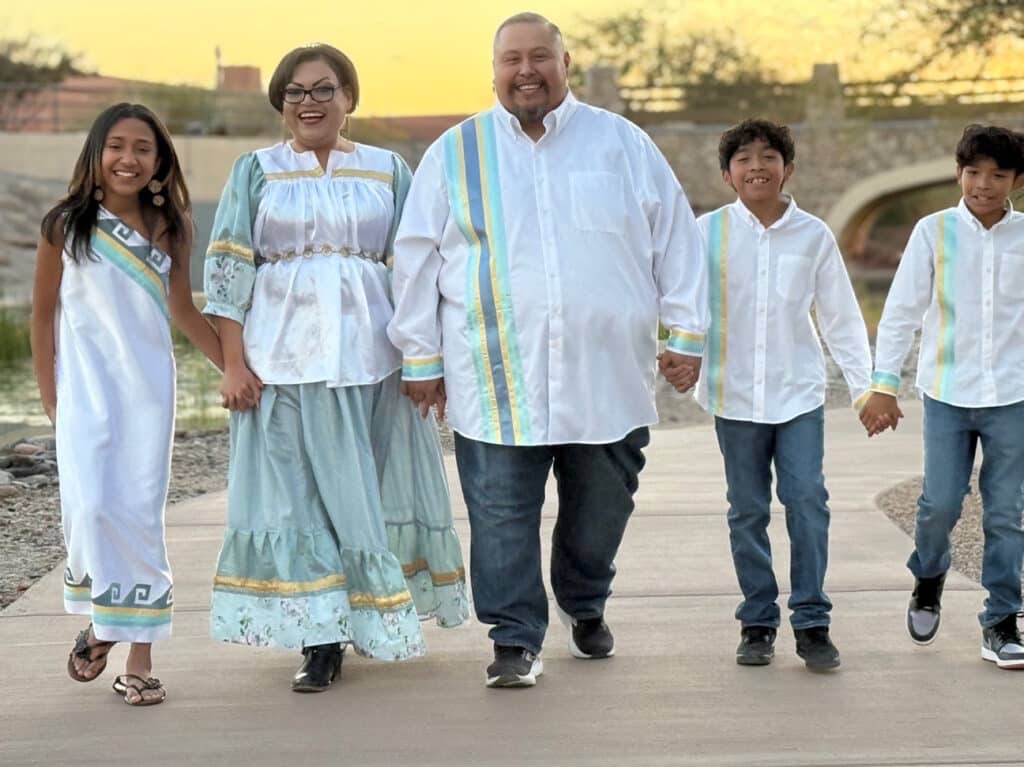
“We never knew there was such a huge need until we started fostering,” Manuel, 43, said. “Whatever resources we can provide, we want to close that gap.”
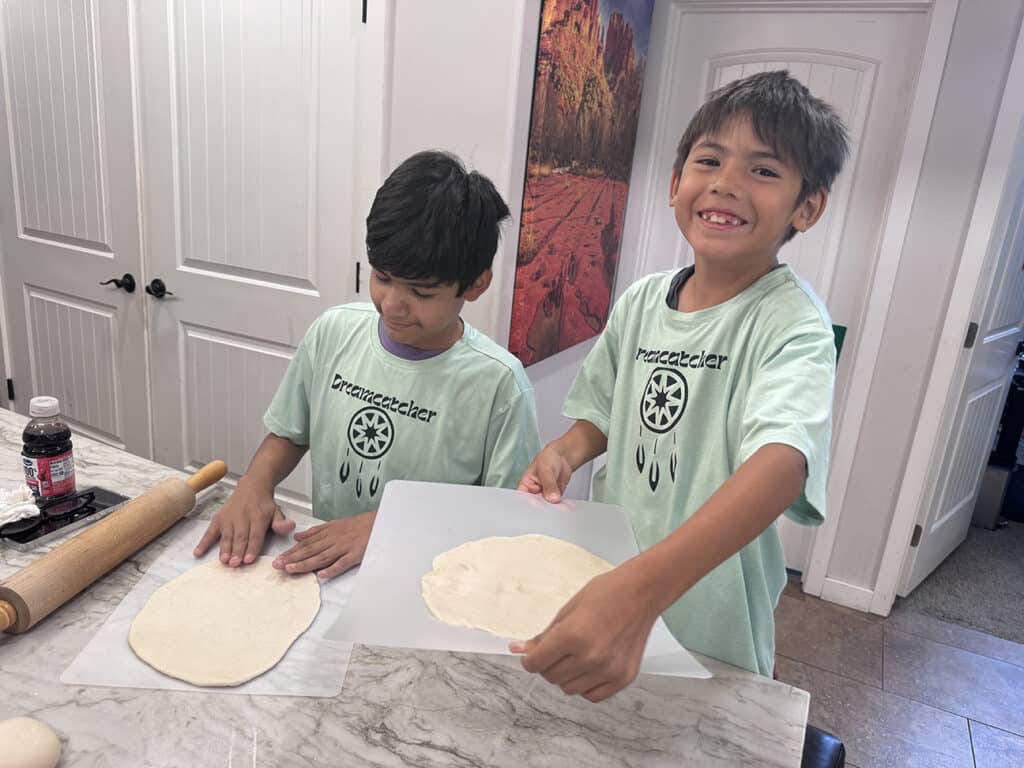
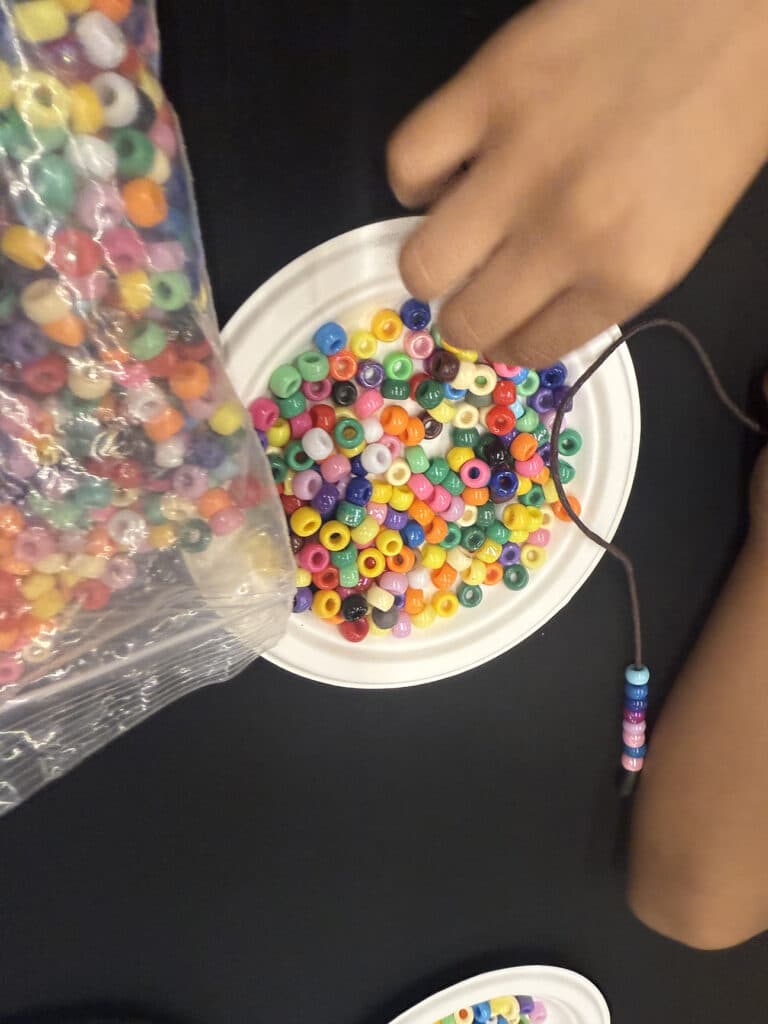
After 11 years of operation, Manuel said her organization has helped thousands of Indigenous children by providing foster parents with essentials like diapers and clothes. Her mission is to help Native foster parents in Arizona who need assistance, and non-Native foster parents seeking to connect the kids in their care to their tribal cultures. To that end, Three Precious Miracles provides free workshops for parents and children, where participants learn how to sew ribbon skirts, bead, make pottery and more.
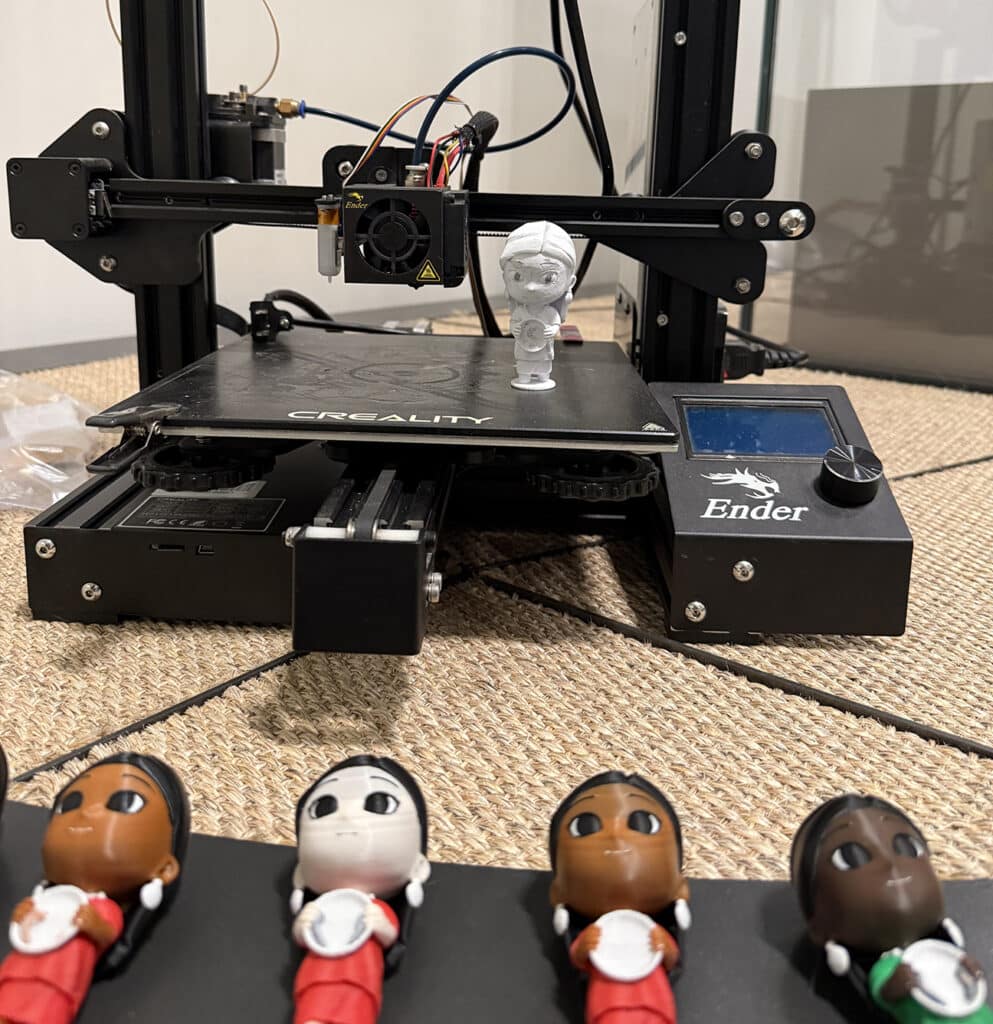
Manuel also puts together care packages for Native foster youth, tailored to their age, gender and needs in a new placement — everything from rattles to dolls. She and her relatives sew blankets for them, stitching the children’s names into the fabric. Other care package items include a superhero coloring book from an Indigenous artist, a homemade beaded necklace, and toys created by a 3D-printer the Manuels call an “Indige-model.”
There are 10 different 3D-printed toy options for a care package, inspired by O’odham culture: like a rattle, gourd, cradle board, or a toy of a Native boy holding a bow and arrow. Female foster children’s care packages get a toy of a Native girl in traditional regalia. The toys are plain white and can be painted any colors the child chooses.
“We provide cultural things to foster parents who don’t know where to go,” Manuel said.
Manuel’s organization was born of her personal experience.
The couple cannot conceive naturally, and her sister-in-law had grown up in foster care and shared her stories. So in 2012, Manuel, who is Apache and Mexican, began volunteering at a congregate care facility. She became a licensed foster parent through her husband’s tribe, the Gila River Indian Community, shortly after.
She was at the top of a mesa on the Hopi reservation — in the middle of a traditional ceremony, her two foster children in tow — when she made the decision to take in another child from Arizona’s foster care system.
Beneath purple skies, she looked out over jagged cliffs of red clay and spoke by phone to the tribal social worker about the details: A baby was born prematurely and needed a home soon.
The next day, Manuel called back to confirm. Her family of four could handle the new addition.
The need for Native foster parents like Manuel is urgent: Black and Indigenous children are disproportionately represented in Arizona’s out-of-home placements, according to Department of Child Safety data.
The nonprofit’s funding comes from grassroots fundraising, private donors and philanthropic grants. In a first for the organization, the Gila River Indian Community provided half of its current operating budget, a $75,000 grant for 2026.
Families come to Three Precious Miracles mostly through word-of-mouth and social media. In addition, the Arizona Department of Children’s Safety contracts with the nonprofit to for child abuse prevention work in Apache and Pinal counties.
“She’s really passionate about helping Native American youth throughout the state hang on to their culture and help the kids heal from trauma they may have experienced,” the state agency’s former spokesperson Cynthia Weiss said of Manuel. “To go into a group home and teach youth how to make fry bread or to help them understand the importance of having an altar and sending prayers to the Great Creator, speaks volumes and is so grounding for the youth.”
Manuel also chairs Arizona’s community advisory committee on child welfare, and visits Native youth in group homes to provide them with cultural teachings, like smudging, traditional foods and prayer.
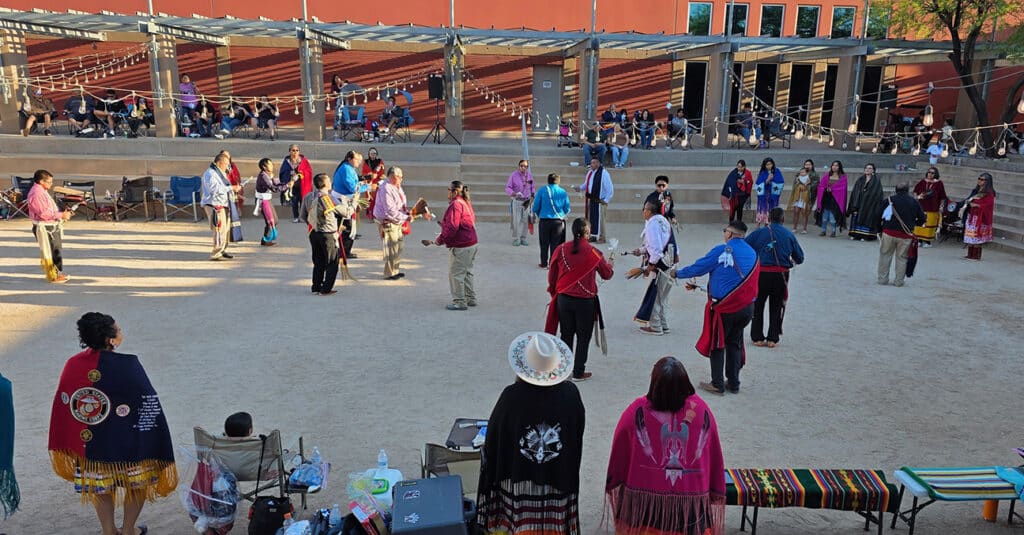
Rosa Alvarez is the secretary for her Pascua Yaqui Tribe. She met Manuel about a decade ago at an event to educate non-Native foster families about tribal traditions such as the importance of attending powwows. Alvarez recalled being struck by Manuel’s emphasis on including non-Native foster parents in cultural events. That’s something she views as critical after growing up in foster care and becoming a foster parent herself.
“I’m amazed with Elisia’s dedication to giving those supports to the foster family, so our children know they’re loved and cared for,” Alvarez said. “And the culture literally is right there as long as they allow themselves that opportunity to learn who they are and where they come from.”