
In interviews, three New York physicians made the case for why nonconsensual drug tests of birthing mothers and their babies must end in hospitals across the state.
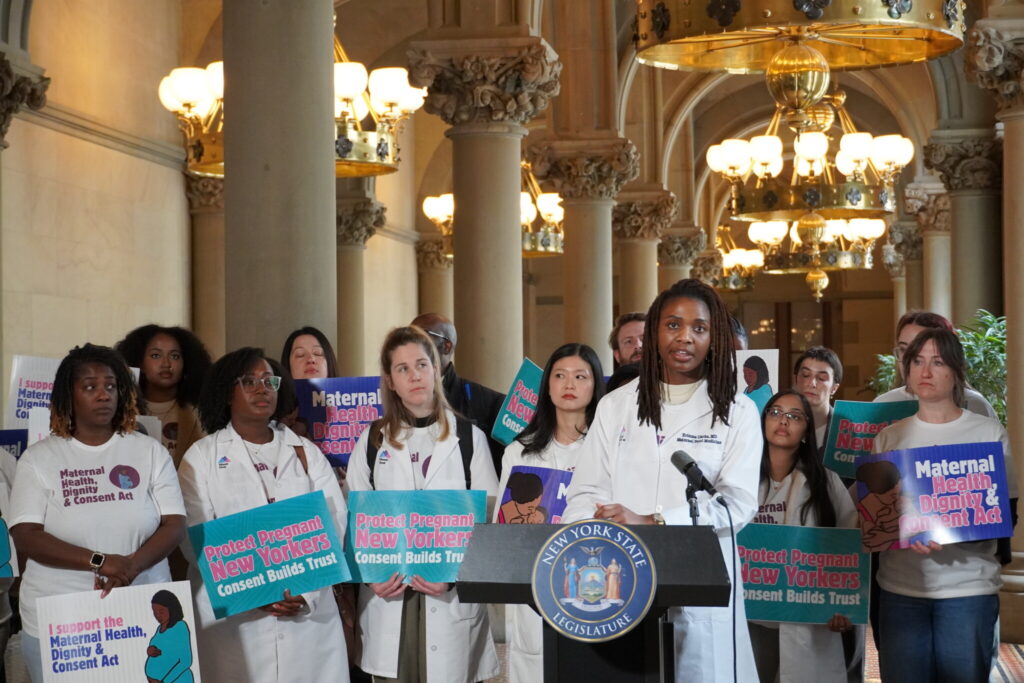
A legislative fix in New York was first introduced seven years ago. The state attorney general has investigated. Lawsuits have been filed. And some hospitals in the state have changed their rules.
But birthing mothers and their newborns are still routinely tested for drugs without consent, triggering CPS investigations and removals at the most tender of bonding times. And as this year’s legislative session ended Friday, the Maternal Health, Dignity and Consent Act — a bill to ban the practice — once again failed in Albany.
Supporters nonetheless remain hopeful, because of growing support among health providers and Republicans, who helped the act pass the Senate last week.
“I am deeply disappointed that this bill did not pass this year,” Assembly member Linda Rosenthal, the bill’s co-sponsor, told The Imprint in an emailed statement Monday. She described this year’s session as “uniquely difficult” due to the very few days left to pass legislation after extended budget negotiations dragged on.
“However, we did make extraordinary progress in combating the mis- and disinformation that has surrounded this measure for years. Not all is lost,” she said. “We gained the incredible support of leading maternal health experts and organizations and even convinced some of our colleagues across the aisle to stand up for what is right.”
Informed Consent New York lobbied for the bill, a coalition of impacted people, activists, doulas, doctors, nurses, social workers, public defenders and groups fighting for civil and reproductive rights. New supporters included the New York Society of Addiction Medicine and the State Nurses Association.
They joined previous supporters, including the local chapter of the American College of Obstetricians and Gynecologists, the state American Academy of Pediatrics, and the State Psychiatric Association. The medical groups say routine drug testing deters women with addiction from seeking pre- and postnatal care, and fuels a system of surveillance and family separation that disproportionately impacts people of color.
In March, a panel of four doctors who spoke at a legislative briefing further warned that urine drug screening can produce flawed results, and that the fear of being drug tested and reported to CPS contributes to poor maternal and fetal health.
“What we found then, and what we continue to find now, is that this unconsented drug testing remains a barrier to prenatal care,” said Dr. Sarah Roberts, an epidemiologist and professor at the University of California, San Francisco who has tracked maternal drug testing policies and mandating reporting requirements nationwide. “It continues to contribute to mistrust between patients and providers. It leads pregnant people who use drugs to avoid care.”
Some organizations representing hospital staff, such as the Healthcare Association of New York State, opposed the New York bill in 2023. They did not respond to requests for an updated position.
Other opponents do not work in the medical field. In an April podcast, Rafael Mangual — a fellow at the conservative Manhattan Institute think tank and Naomi Schaefer Riley — a senior fellow at the American Enterprise Institute and frequent critic of loosening child welfare system oversight — defended the need for CPS at this early stage of life when drugs are involved.
“What rationale could there possibly be for sending a child home with a clearly drug addicted mother — as illustrated by the fact that she wasn’t able to refrain from using while her baby was in utero?” Mangual asked.
If Child Protective Services removes an infant from an addicted mother, she is given a court-ordered reunification plan involving drug treatment, supervised visits and other services. Riley argued this is a necessity in cases where moms test positive.
Otherwise, “we’re sending these children home with mothers with active addiction,” Riley said. She added that infants require vigilant attention, “and if you are suffering from substance abuse or severe mental illness that is not treated, it is really hard to do that.”
“Unconsented drug testing remains a barrier to prenatal care. It continues to contribute to mistrust between patients and providers. It leads pregnant people who use drugs to avoid care.”
—Dr. Sarah Roberts, University of California, San Francisco
The most recent version of the Maternal Health, Dignity and Consent Act, sponsored by Rosenthal and state Sen. Julia Salazar and first introduced in 2019, would require verbal and written consent from pregnant and postpartum patients before hospital staff can test for drugs, cannabis or alcohol. Doctors could bypass this requirement if they believed a drug test was necessary for a medical emergency.
The change would interrupt current practice of automatically reporting mothers to the state’s child maltreatment hotline following positive drug tests — reports that send newborns into the foster care system, interrupting bonding, breastfeeding and early skin-to-skin contact between mom and baby.
New York City has taken steps to end the practice. In 2020, public hospitals in the city adopted a policy requiring informed consent before drug testing new and expectant mothers.
As a result of the policy — and the 2021 legalization of marijuana — there was a decline in the number of newborns in child abuse and neglect cases involving allegations of parental drug use, according to a data analysis from the NYC Family Policy Project. In 2019, more than half of newborn investigations included these allegations. In 2023, it had dropped to one-third. The steepest declines involved Black mothers of newborns.
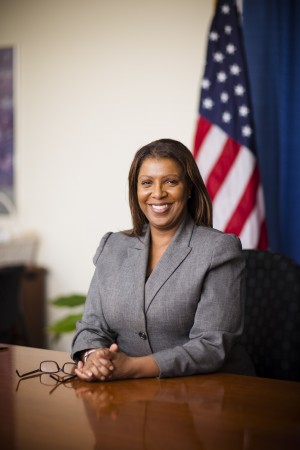
In 2024, New York Attorney General Letitia James began investigating hospitals across the state that were facing allegations of discriminatory testing practices. The investigation was triggered after mothers sued hospitals, alleging they were unknowingly subjected to toxicology tests, reported to CPS and suffered months of anxiety due to disrupted mother-child bonding time after their children were removed. The attorney general’s case is ongoing.
Since then, some hospital systems upstate, including the Garnet Health Medical Center in Orange County and the Golisano Children’s Hospital in Buffalo, have changed their policies and no longer conduct routine toxicology screens on obstetric patients.
Outside NYC, drug testing is routine
After their testimony before state lawmakers in March, three New York doctors specializing in gynecology, pediatrics and addiction medicine spoke to The Imprint about what they describe as the harms of nonconsensual drug testing, and more effective ways to support addicted mothers, without relying on the child welfare system.
Dr. Stacy Sun, an OB-GYN at the University of Rochester, is concerned about the disproportionate impact of the practice on women of color. She pointed to research from Florida in 1990, which showed Black women were nearly 10 times more likely than white women to be reported to CPS during pregnancy, even though rates of drug use among patients of both races were similar. A 2023 study in Pennsylvania showed pregnant and postpartum Black women were more likely than their white counterparts to have their urine tested for drugs before or immediately after childbirth, regardless of their history of drug use.
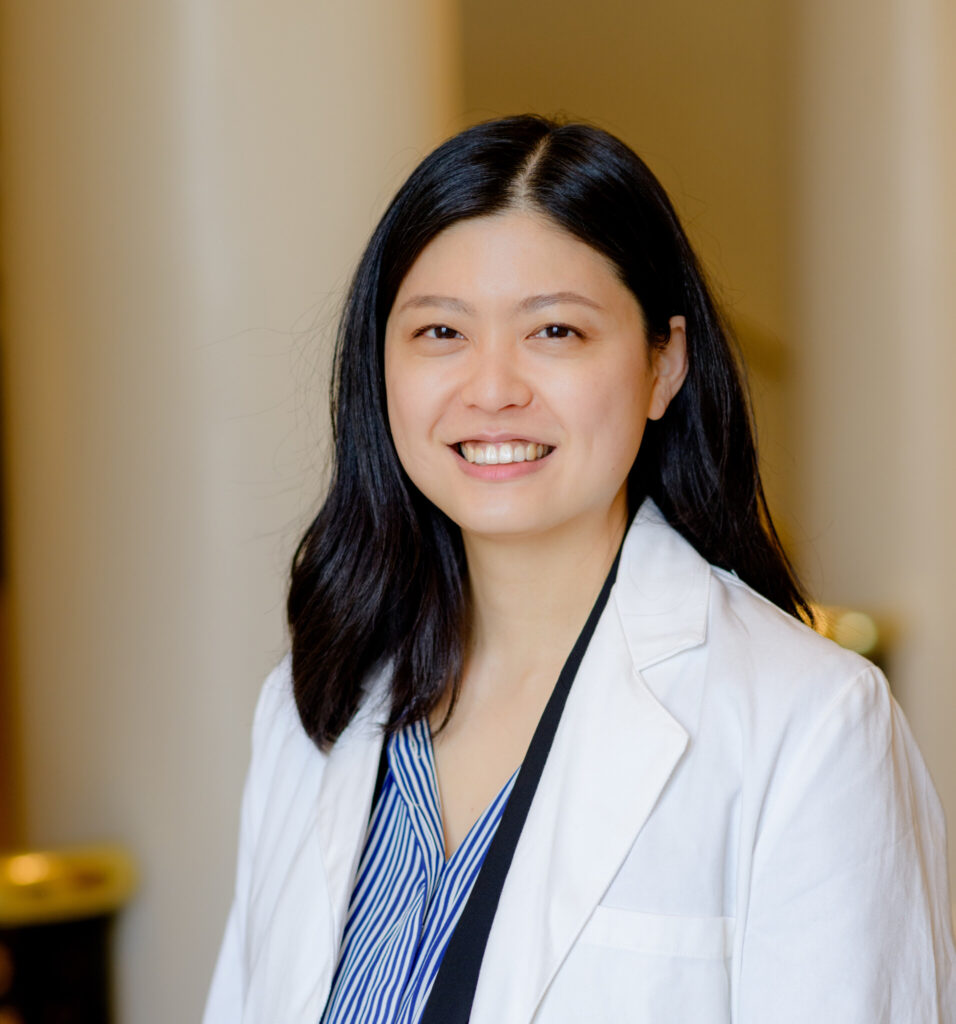
Sun has noticed this stigma among her colleagues. Sometimes, it’s due to racial stereotyping or misconceptions about parents who use substances, she said. Other times, “they feel like it is the right thing to do to, because they want to be able to ‘protect the baby.’”
Although New York City’s public hospitals have a mandate against nonconsensual drug testing, many hospital systems in the rest of the state do not. Sun has seen patients at her hospital who don’t return after being drug tested without their consent. The distrust of medical providers is especially harmful for low-income patients or those who live in rural areas and already have limited options for health care, she added. Some of Sun’s patients who reside outside Rochester have to travel two or three hours on buses to deliver their babies.
“They don’t have another place to go to. Who are they going to trust? That’s not fair to them,” Sun said.
Although the bill to ban nonconsensual drug testing did not make it to the Assembly floor this year, Sun called its progress “historic.”
“We’re really proud that the Maternal Health, Dignity and Consent Act passed in the Senate this year. It is historic, it’s the first chamber in our country to affirmatively protect informed consent, and so as a coalition we are very, very happy that this is moving forward. We are optimistic that hopefully next year we’ll be able to pass it successfully.”
Maternal-fetal medicine specialist Dr. Erinma Ukoha questions whether urine toxicology testing is needed at all.
Most of the time, doctors don’t need a drug screen to diagnose babies who may have been exposed to substances in utero, said Ukoha, who works at the Mount Sinai Hospital in Manhattan. Instead, they can spot symptoms such as excessive crying, body tremors or difficulty breathing, which are signs that a baby is experiencing neonatal abstinence syndrome or other types of withdrawal from drugs that were in the mother’s system.
Medical staff should then create a plan of safe care for the mother and baby, as required by the state, Ukoha said. The latest medical guidance recommends the “Eat, Sleep, Console” protocol, which prioritizes non-pharmacologic care such as skin-to-skin contact, quiet environments and breastfeeding. These methods are more effective in healing the infant than ordering a drug test and indiscriminately calling CPS, in Ukoha’s view.
For the mothers, she said the tests can often result in false positives or provide an “incomplete snapshot” of a person’s substance use.
A drug test “doesn’t tell you anything about that individual’s relationship with drugs. It doesn’t tell you anything about how an individual parents, or their ability to parent,” Ukoha said. “From a medical standpoint, there’s a lot of unlearning and bias to address regarding the reliance on drug tests.”
Some patients have even tested positive after eating poppy seed bagels, which can contain trace amounts of opium. Buffalo mom Laura Kuzdale discovered that after being drug tested without her consent at Oishei Children’s Hospital.
Medications such as methadone and buprenorphine — which are approved by the Food and Drug Administration and commonly used to treat opioid use disorders — also result in positive drug tests. In several cases nationwide, CPS investigated parents for using medications prescribed by their doctors.
A drug test “doesn’t tell you anything about that individual’s relationship with drugs. It doesn’t tell you anything about how an individual parents, or their ability to parent. From a medical standpoint, there’s a lot of unlearning and bias to address regarding the reliance on drug tests.”
—Dr. Erinma Ukoha, Mount Sinai Hospital
Primary care pediatrician and addiction medicine specialist Dr. Matt Holm recommends involving parents in medical decisions — rather than alienating them by ordering nonconsensual drug tests.
Holm, who trained at Montefiore Hospital in the Bronx, has found parents are less likely to succeed at treating their addiction when CPS gets involved — because the timeline is forced and under the duress of family separation.
“Within addiction care, mandated treatment has not been shown to be effective,” Holm said. “People feel surprised, ambushed, confused. They often feel extremely violated.”
He believes parents should be able to seek addiction treatment without fear of CPS intervention or losing custody of their kids. Holm said he encourages patients to disclose their struggles with substance use by assuring them that he won’t automatically make a report to CPS. It’s helped him build trust with patients.
“If we can reduce the threat that we are to families,” Holm said, “if people could seek care without worrying about losing their kids, we would have more people in treatment and we’d have less birthing people and parents dying from things like overdose or complications associated with their drug use.”
Rosenthal said she will continue her push with the maternal health bill.
“The dedicated advocates gave their all, and I believe we have an incredible head start for the next session, where I will fight like hell to get it over the finish line.”