
State and local officials have created a ‘warmline’ for New York foster youth, connecting callers with young people who have shared similar hardships and can offer help.
New peer support called “The Heartline” was announced today, and it offers New York foster youth a private, anonymous way to seek help when they’re struggling and fearful that sharing information with adults in their lives could make matters worse.
Those picking up calls to the “warmline” — similar to a hotline, but for non-crisis issues — are trained peer counselors who have experienced the child welfare system themselves.
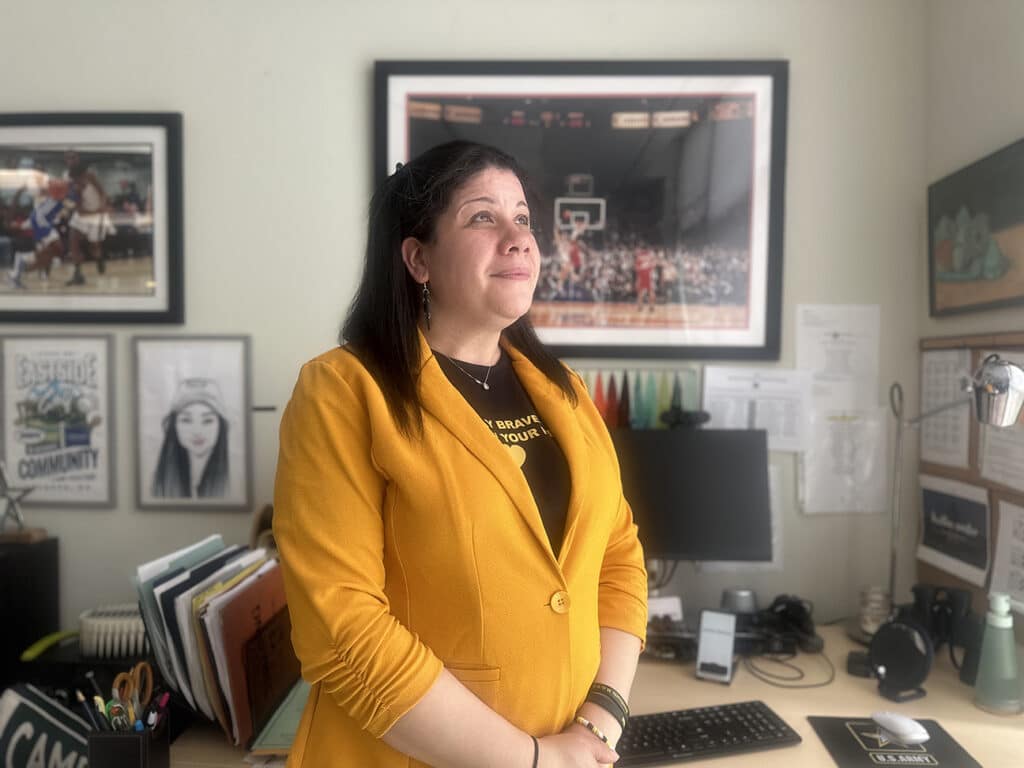
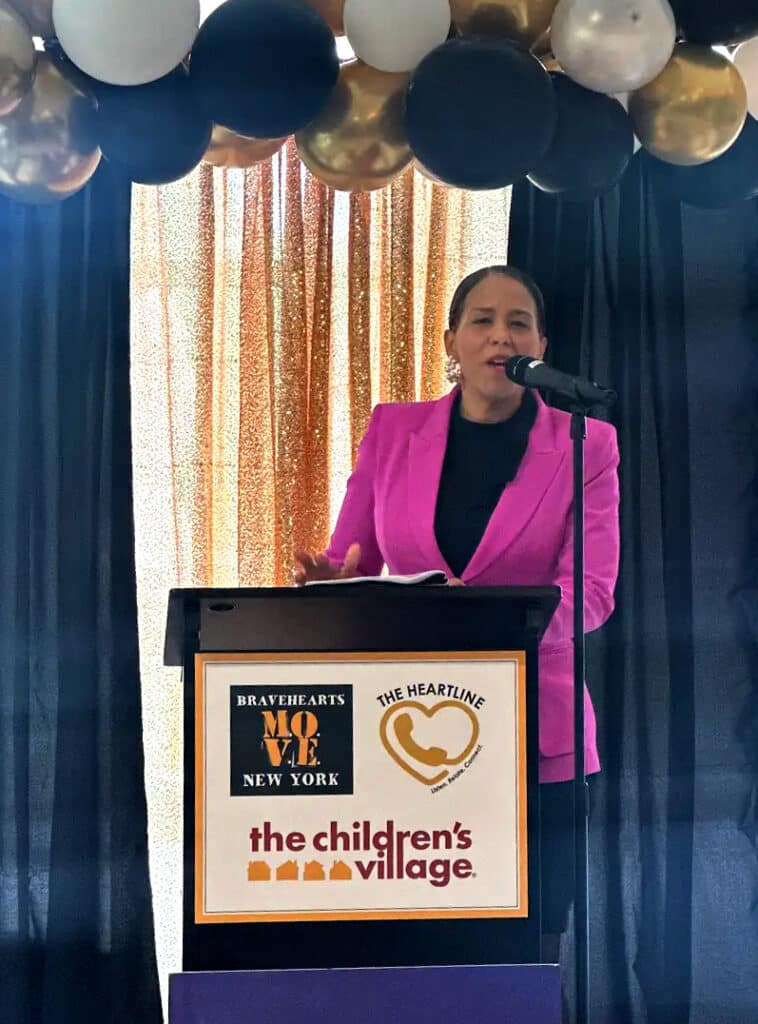
“I never really had a voice or a space where I could fully express myself without feeling some sort of judgment or ridicule,” 23-year-old Alessandra Adames said in an interview. She later spoke out at a press conference in the small upstate village of Dobbs Ferry, surrounded by state and city child welfare officials. After entering foster care at age 15, Adames now works part-time answering calls on The Heartline as one of its “relatable responders,” while finishing college.
The Heartline, unveiled today as a statewide service, began operating in January on a trial basis. It is a joint effort between New York State’s Office of Children and Family Services and the youth-led nonprofit Bravehearts M.O.V.E., located in Dobbs Ferry.
Foster children aged 14 to 21 — including those living in group homes or with kin — can call in to The Heartline for help connecting with resources to meet basic needs, such as food banks or shelters. They may also seek advice on managing domestic violence, or returning safely to their homes after running away. In other cases, they may simply want a peer supporter to listen, providing a judgement-free safe space for young callers to vent their concerns.
Commissioner of the state’s child welfare agency, DaMia Harris-Madden, called the project a “non-intrusive, voluntary and cost-effective way to mitigate problems which could lead to higher levels of child welfare system involvement,” such as a teen without support who ends up in an institution.
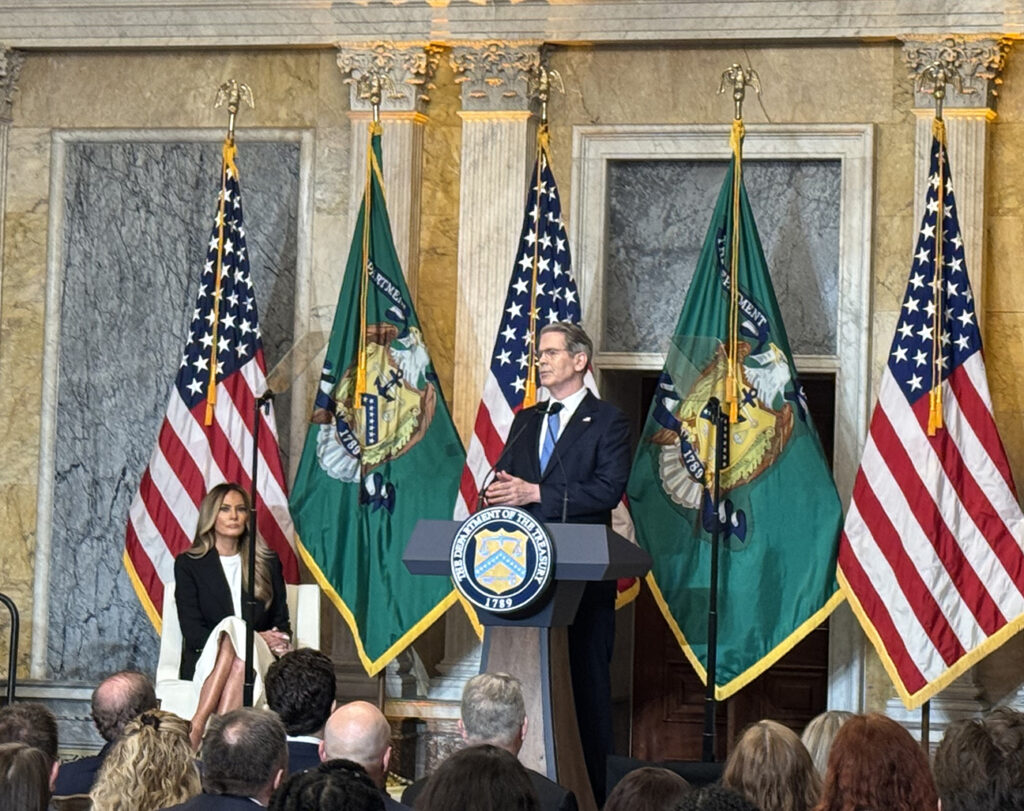
Harris-Madden was joined by other city officials including Jess Dannhauser, New York City’s Commissioner of the Administration for Children’s Services, at The Heartline’s official launch today. The event was also hosted by the Children’s Village — one of the state’s oldest child welfare nonprofits. Former foster youth told the audience heartfelt stories of growing up in the system, often separated from siblings, and not having a trusted peer to talk to.
Reannon Matulewich, 20, stood at the podium under blue and gold balloons alongside her older sister. The two were separated during her 10 years in foster care. Now a relatable responder at Heartline, she spoke about how her sister helped her from afar when she ran away from foster homes she felt unsafe in, or when she needed advice as a teenager without trustworthy parental figures.
“Sometimes all the help Cheyanne could give was answering my calls,” Matulewich said about her sister. “We know how difficult the system is. We’ve been through it before, and we know ways to navigate it, because we are equipped with resources. Being a responder, to me, is like being the older sister I was privileged to have.”
“Historically, we’re an invisible population. Foster care comes with a predisposition for shame, embarrassment, hurt, anger, and those are very hard things to share and discuss with folks.”
— Bravehearts founder Jessica Grimm-Gonzalez
The five relatable responders at The Heartline, including Matulewich, have completed 60 hours of training that included learning phone etiquette, how to identify and transfer crisis calls that involve serious abuse or self-harm, and what resources are available that they can recommend. The service operates independently from CPS case managers or foster care agencies, and according to the Office of Children and Family Services, “is not intended to address or investigate the safety of youth in foster care.”
Bravehearts founder Jessica Grimm-Gonzalez underscored the misunderstandings that continue to exist about children in out-of-home care — who last year totaled 13,000 in New York, according to the latest state data — and the need for them to have a unique space of their own. Peers who have been through similar mental health struggles in foster care or the juvenile justice system offer a necessary perspective beyond therapists or school counselors, who may not understand the complexities of the child welfare system.
Grimm-Gonzalez was inspired to launch Heartline by her own tumultuous upbringing in foster care, and learning firsthand of the gap in youth-led services in the state.
“Historically, we’re an invisible population,” she said. “Foster care comes with a predisposition for shame, embarrassment, hurt, anger, and those are very hard things to share and discuss with folks.”
Other “warmlines” have popped up in other parts of the country, but few are dedicated specifically to foster youth or focus on hiring staff with direct experience. The national nonprofit Think of Us launched a similar virtual support line for foster and kinship families in California, Georgia, and Boston in 2021. The 24/7 Family Urgent Response System hotline in California helps struggling foster parents and youth avoid hospitalizations and calls to police. Although it faces slight cuts in this year’s budget, the hotline is state-funded.
Nonprofits in New York are hoping for similar support. The Office of Children and Family Services has pledged part of its prevention funds to support the program for five years, and Grimm-Gonzalez said she will push for additional funding to be included in upcoming state budgets. She plans to expand the program so staff can check back in with a young person after a call, and to eventually provide information about the warmline in schools, community centers and many more foster care agencies.
The new warmline could also help inform child welfare agencies about the types of needs in their local area. There have been 29 calls to the warmline since it started operating in January as a pilot, and the nonprofit Bravehearts will continue to collect geographical data on where the majority of calls are coming from.
“Are we seeing food scarcity happening in Brooklyn? Or are we seeing an uptick in domestic violence and teen violence in Washingtonville?” Grimm-Gonzalez said, noting that youth in rural areas upstate often have more difficulty accessing resources.
Still, she emphasized, “If they just want to talk about a bad day, they can just talk about a bad day.”