
In response, the state child welfare agency says it “takes the welfare of every child in its care seriously, including the unique needs of immigrant youth.”
Washington state’s child welfare system is flouting its duty to protect the best interests of immigrant children in their custody, a newly filed lawsuit alleges. And by failing to address immigration-related needs — such as helping youth apply for needed legal protections — the state leaves them at risk of deportation and blocks their ability to receive public benefits, the suit contends.
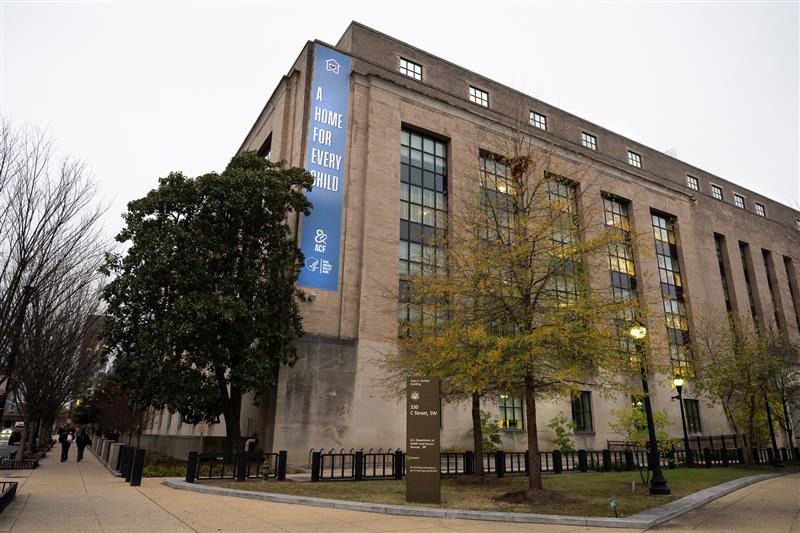
The class-action suit was filed Monday in King County Superior Court by the national nonprofit Children’s Rights, and private law firms McDermott Will & Schulte, and Pfau Cochran Vertetis Amala. The state of Washington is named as a defendant, along with the the Department of Children, Youth and Families (DCYF) and Tana Senn, its secretary.
Legal Counsel for Youth and Children (LCYC), which provides immigration and child welfare legal assistance, is a plaintiff along with immigrant foster youth in the state.
“These young people live under constant stress and fear of deportation, and without meaningful support from DCYF, their chances of a safe and stable transition to adulthood are severely diminished,” Leecia Welch, chief legal counsel at Children’s Rights, said in a press release. “Instead of protecting children, DCYF is denying them their rights and undermining their path to stability and security.”
A spokesperson for the department, Nancy Gutierrez, said in an email that “DCYF believes the claims asserted by LCYC lack merit.” Her department “takes the welfare of every child in its care seriously, including the unique needs of immigrant youth,” Gutierrez said.
The federal Office of Refugee Resettlement is responsible for children and teens who arrive at the border without guardians, and those who are separated from their parents upon entering the U.S. The office then places children with “sponsors,” who are generally relatives or family friends. They enter the domestic foster care system if they experience abuse or neglect while in the care of those sponsors, or in a subsequent living arrangement.
Once in foster care, it becomes the responsibility of state child welfare agencies to act in their best interests. For immigrant children, the suit alleges, that must include addressing immigration-related needs.
“These young people live under constant stress and fear of deportation, and without meaningful support from DCYF, their chances of a safe and stable transition to adulthood are severely diminished.”
—Leecia Welch, Children’s Rights chief legal counsel
But according to court filings, Washington doesn’t screen its foster youth for immigration issues or provide information on how to become documented or work toward citizenship, including the Special Immigrant Juvenile Status (SIJS) program. Attorneys for the plaintiffs estimate those in need may number in the hundreds in Washington state alone. Special immigrant status is available only to youth in the country who are under age 21 and need protection due to abuse, neglect or abandonment by their parents.
“Securing SIJ(S) can be the difference between safety and stability in the U.S. and being deported to a place of danger or a country they have never known,” states a Legal Counsel for Youth and Children blog post announcing the lawsuit.
According to the complaint, without these “fundamental protections,” immigrant foster youth face increased risks of homelessness, exploitation and trafficking.
It further states that for these foster youth, child welfare officials are the only legal support they have. But Washington is one of 13 states that do not guarantee legal counsel to foster youth, making it even harder for immigrant children to file applications for special immigrant status.
One of two named plaintiffs in the Children’s Rights lawsuit is an 18-year-old King County resident referred to by her initials, S.O.L. She came to the U.S. as an unaccompanied minor in 2023, fleeing trauma in her home country of Guatemala. S.O.L. entered foster care in 2025 after being subjected to maltreatment in the homes of relatives where she was placed by federal immigration authorities.
Though the teen’s foster parent has fought to get her immigration assistance, child welfare authorities have failed to file a motion for her to receive the special protective status she’s eligible for, the lawsuit alleges.
“DCYF has — for almost a full year — failed to help her address her immigration needs. Without a pathway to lawful status, S.O.L. is ineligible for student financial aid and other supports and remains at risk of being detained or deported to a country where she would be in danger,” the plaintiffs’ attorneys state in a press release.
“Immigrant youth deserve better from the state and the systems that are supposed to protect them.”
—Rhea Yo, executive director of Legal Counsel for Youth and Children
The suit further alleges that Legal Counsel for Youth and Children has spent “hundreds of hours and substantial funding” advocating for immigrants in Washington foster care, “diverting staff and services needed in other program areas.”
The state department’s lack of timely screening has left many teens at risk of losing any hope for immigration relief. If foster youth don’t obtain special immigrant juvenile status before turning 21, it is harder for them to become citizens, due to concerns that they will require public benefits, lawyers say.
“Washington state has held itself out to be pro-immigrant, but every day immigrant youth in DCYF care face constant risk of deportation and losing their chance to apply for legal status due to DCYF’s inaction,” said Rhea Yo, executive director of Legal Counsel for Youth and Children. “It’s only by luck and chance that a small number of these young people get connected to organizations like LCYC who can help them access immigration relief and prevent their deportation. Immigrant youth deserve better from the state and the systems that are supposed to protect them.”
The suit calls on child welfare officials to develop policies and procedures that ensure timely immigration screenings and support applications for special immigrant juvenile status, or any similar relief. It also seeks to require the child welfare department to train social workers to work with immigrant youth and to assist foster youth facing deportation.
Yet foster youth may soon face an even more difficult path to permanent residency, under new directives by the Trump administration.
In June 2025, U.S. Citizenship and Immigration Services rescinded a Biden-era rule that guaranteed foster youth with special immigrant status “deferred action,” a legal pathway to remain in the country. Without that protection, foster youth face an inability to work and the risk of deportation. A lawsuit filed in July by immigration rights advocates challenged the federal change, and it is now on pause while the litigation proceeds.
That same month, Congress passed H.R. 1, backed by President Donald Trump. The legislation established new fees for SIJS petitions that cannot be waived or reduced.
In April, the Trump administration issued another new policy that again aims to limit the legal pathway to employment and citizenship through the SIJ program. Federal officials want it to be “exercised only in compelling cases.” That change is scheduled to take effect on May 10.
Kristina Lovato, director of the Center on Immigration and Child Welfare Initiative at the University of California, Berkeley, said some child welfare agencies have worked to counter such efforts. Their strategies include providing foster youth with additional legal services, offering guidance on confidentiality to child welfare workers and improving immigration screenings for children entering foster care.
“Child welfare agencies across the country are working hard to meet the needs of immigrant youth,” she said, “but they are doing so within a system that was not designed with these families in mind.”