The challenges are documented and well-known: Young people aging out of foster care are more likely to experience behavioral, mental and physical health challenges. They are more vulnerable to homelessness, employment and academic difficulties, and incarceration.
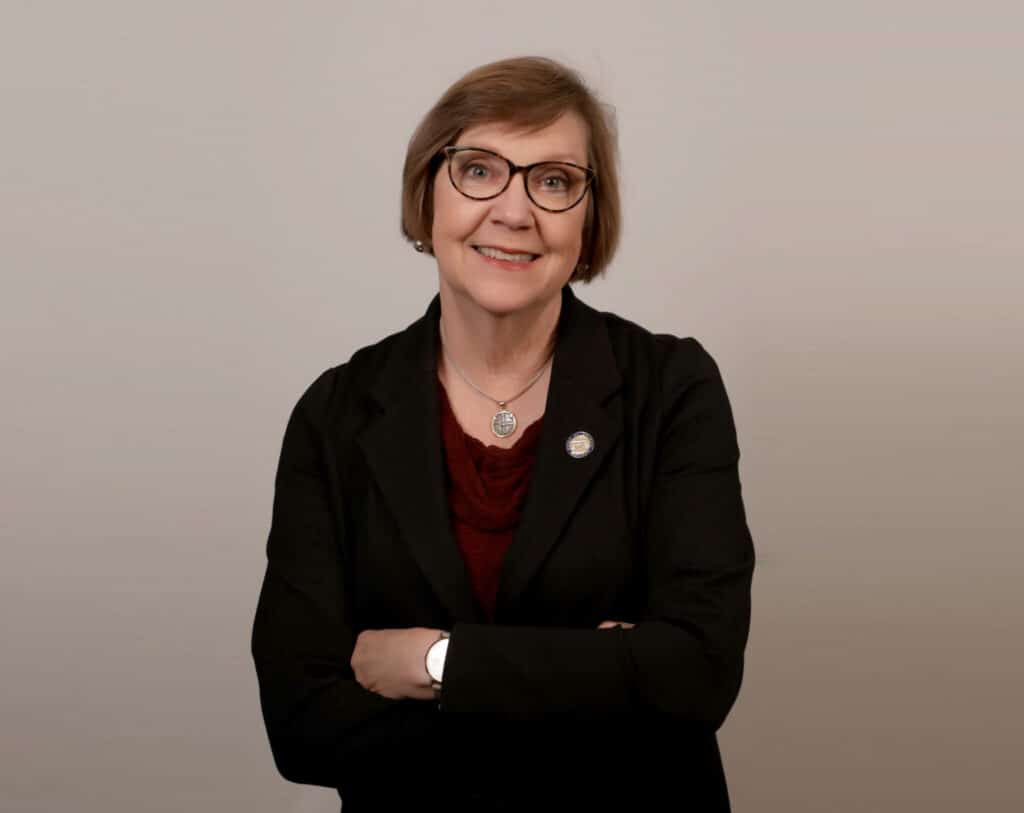
Last year, a group of Georgia lawmakers convened a series of hearings to learn how the state could do more to ameliorate those outcomes. State Sen. Kay Kirkpatrick, who chaired the Senate Committee on Additional Services and Resources for Transition Age Youth in Foster Care, described the hearings as a rare forum for child welfare officials, advocates and former foster youth to discuss the challenges they face.
“We don’t usually have time to dig into anything very deeply during the session, other than bills that come across our committees,” she told The Imprint. “We felt this needed a deeper dive.”
The senate committee’s final report, released last December, includes a series of recommendations for the policymakers and the Georgia Division of Family and Children Services (DFCS) — from providing more housing vouchers and college access to broader screening for autism.
The committee’s final report didn’t outline specific policy changes or funding sources, but in our Jan. 8 interview, Sen. Kirkpatrick said she hopes to pursue reforms as Georgia’s 2026 legislative session begins.
This interview has been lightly edited for length and clarity.
What led to the formation of this study committee, and how did you identify which challenges to prioritize?
During the 2025 session, it became fairly clear that the problems faced by the aging-out population are a little bit different than the younger kids — particularly the really challenging situations with teenagers ending up in hotels or DFCS offices. After conversations internally and hearing from a number of nonprofits, there were a few areas we needed to focus on. Those were housing, education, workforce issues and then the complex-needs population. Not everything needs legislation, but we’re busily working on how to move each of those recommendations forward.
One of the report’s first recommendations is to expand Georgia’s participation in the federal Foster Youth to Independence housing voucher. While the state is eligible for 500 vouchers and $5 million in rent money annually, a 2024 analysis found only eight vouchers had been issued. The report said lawmakers will meet with federal housing officials about expanding participation. Can you talk more about your work on this issue?
People from Housing and Urban Development are coming down to talk later this month to figure out how to have Georgia make more effective use of that program. I’m disappointed that we had to wait so long to get that ball moving. But I feel like this is an important conversation to have.
The whole subject is complicated. The housing authorities, because they’re not state government, our jurisdiction is limited. There are only a few of them that are involved with that program right now. I’m concerned it will take conversations with one housing authority at a time. And that’s going to be a lot of work, but I think that’s what’s going to need to happen.
“We need to be dealing with this in the younger kids and not waiting until we get in this situation that’s very expensive and stressful for everyone.”
— Sen. Kay Kirkpatrick
Under a 2025 bill, HB 268, school districts must immediately enroll students who are in foster care even if some required records are missing. The report raises concerns about compliance with that law, including prolonged enrollment delays and credit not transferring when students change schools. What authority does the state have to enforce these requirements and how do you hope to address the problem?
We heard a lot about the school districts that are not immediately enrolling foster kids when they change placement, and it was required in our comprehensive school safety bill. We need to get to the bottom of that.
The Department of Education has said, “Well, there’s really not much we can do about it, because it’s local control.” That is not OK, in my opinion.
This is a big issue for foster kids. As we heard from some of the kids themselves, it can end up with their credits not transferring. There was one person who had to repeat a grade as a result of that. I don’t have a bill to share at this point, but we’re going to try to find a way to put some teeth in that.”
Another major focus of the committee was better identifying and supporting foster children with autism spectrum disorder. The report recommends expanding a pilot program that screens kids who enter the system for autism. Can you talk more about the ways lawmakers plan to improve outcomes for this population?
We know that early screening and early treatment is really important, and we want to be sure that all the kids in foster care have an avenue to get screened.
It will cost some money to expand that program, but I don’t think it’s super expensive. We need to be dealing with this in the younger kids and not waiting until we get in this situation that’s very expensive and stressful for everyone. Once you have a 17-year-old who’s combative and can’t be handled by even the foster family, there are limited options. That’s moving more towards the prevention mode.
Since 2023, Georgia has offered a state income tax credit to collect donations for organizations that support foster children, but use of the funds has remained low. Can you explain why this might be happening?
We have a lot of great programs, and we throw money at a lot of problems, but if nobody knows about it, it doesn’t really help anybody. I think that’s just a sort of chronic problem that we have with getting the word out.
We pass these bills, but then we don’t have any plan or money in the budget to deliver the message to the people that need to hear it.