
Self-harm, drugs and violent incidents have skyrocketed in some of New York’s locked juvenile facilities, a state auditor has found, conditions driven by pandemic-fueled staffing shortages and higher populations following a sweeping reform that shifted older teens out of the adult justice system.
“These facilities are meant to provide safe housing and services to help rehabilitate young people and discourage them from future criminal behavior,” Comptroller Thomas DiNapoli stated in a Thursday press release. “Unfortunately, staff appears to be overwhelmed and short-handed, which may account for missed or delayed opportunities to provide care for the physical or mental health issues facing the young people in these facilities.”
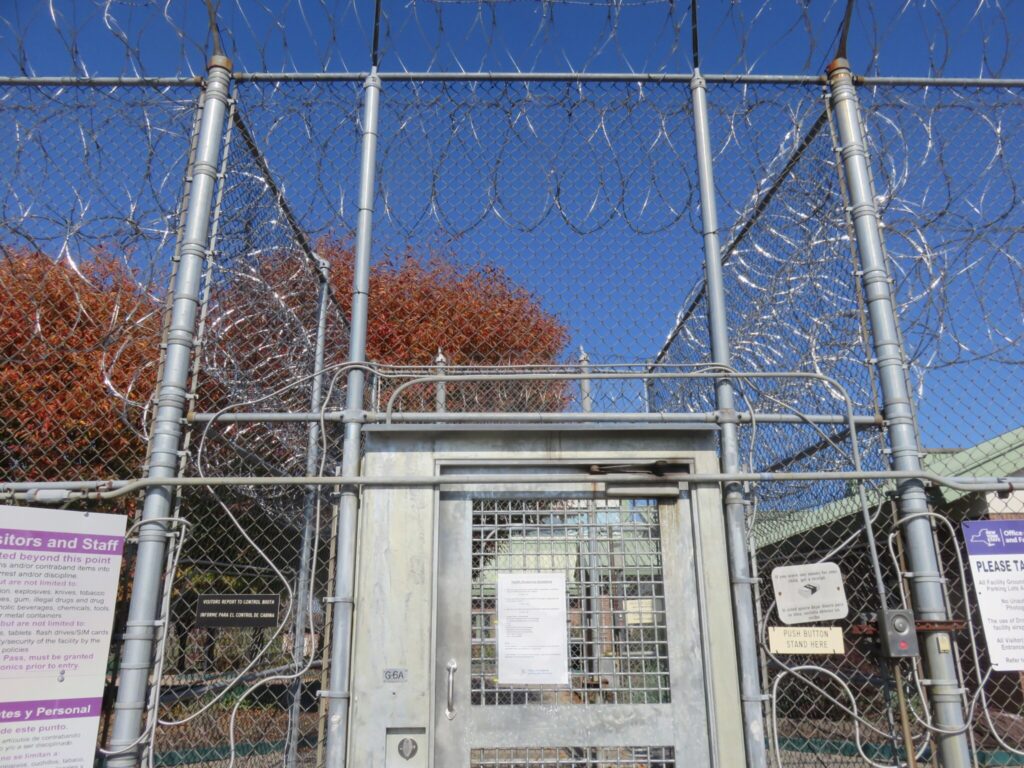
New York’s Office of Children and Family Services runs nine “residential centers,” which include low- and high-security juvenile lockups for youth ages 12 to 21 found to have committed more serious crimes.
Young adults can be placed in these facilities after their court cases are concluded, the adjudication of crimes from stealing cars to assault and murder. Probation violations or more minor offenses such as vandalism can also land youth in the lockups, if a judge determines there are safety concerns.

Under state laws and regulations, facility staff must maintain sanitary conditions and provide proper health care. Incidents such as possession of unauthorized substances, young people who harm themselves, employee misconduct and physical restraint of youth must be carefully logged. Violence inside facilities also must be documented.
The comptroller’s report examined a time period between October 2018 and August 2023, and focused on whether state-run juvenile facilities followed their own guidelines. The analysis also assessed incidents that occurred with a select number of youth at six of the sites. It did not include pre-trial juvenile detention centers that are state-regulated but run by counties or New York City.
The findings validated the ongoing concerns of youth advocates interviewed by The Imprint. They noted that problems stemming from the growing population of young adults in juvenile facilities could have been foreseen and accounted for — given the yearslong effort to shift 16-and 17-year-olds out of adult jails and prisons under the state’s 2016 Raise the Age reform.
“What the numbers really underscore is how important it is to keep young people out of detention and in the community — which is why we’re always fighting for resources, preventative programs, alternatives to incarceration and sentencing reform,” said Kate Rubin, director of policy at the advocacy group Youth Represent.
According to the comptroller’s report released Thursday, self-harm episodes in New York’s secure juvenile facilities rose 100% between 2018 and 2023. The “expression or gesture of suicide” rose an astonishing 667%, growing in number from three to 23 incidents.
The audit also found a notable lack of timely medical and mental health assessments. Out of 101 individual files that were examined, more than half were incomplete. Medical checklists had not been filled out; preliminary interviews hadn’t been conducted to gauge physical and mental health, and food allergies had not been recorded. Among the 162 employees involved in 96 restraint incidents, more than half were not up to date on first aid and CPR.
Although initial medical assessments are required within seven days of admission, one young person was not assessed for nearly nine months.
State guidelines also require that staff — employees working for the Office of Children and Family Services — use the minimum amount of physical force to intervene in conflicts among youth, or to stop a young person from inflicting self-harm.

The comptroller’s office found too little documentation of such incidents, and too little follow up. The Office of Children and Family Services (OCFS) “did not always ensure the investigations of incidents were complete or thoroughly documented,” the report stated.
In a statement sent to The Imprint a spokesperson for OCFS said the office “is committed to providing youth in care with a safe and healthy environment, and we know how critical it is for our staff to have the resources needed to provide it.”
The spokesperson stated appreciation for the comptroller’s work and noted that the majority of the “look back” findings “occurred during the unprecedented COVID-19 pandemic. Like the majority of the human services sector,” the statement read, “OCFS was significantly impacted by staff losses and the inability to quickly hire.”
Efforts since then to improve conditions have included adopting a new training curriculum and expanding recruitment efforts with the goal of retention.
Officials also told the comptroller’s office that while the child welfare agency reviews some cases to identify errors, the Justice Center for the Protection of People With Special Needs, a state government watchdog, has primary responsibility for investigations of staff misconduct. (A justice center spokesperson declined to comment.)
The comptroller’s report included a four-page response from the child welfare agency’s former Acting Commissioner Suzanne Miles-Gustave. She cited difficulties managing the facilities during the pandemic, given the social-distancing constraints, and a statewide hiring freeze that made it difficult to retain enough employees. Miles-Gustave also described a critical shortage of clinical staff, requiring that the state emphasize training new staff rather than providing refresher courses for “seasoned staff without performance issues.”
“WHAT THE NUMBERS REALLY UNDERSCORE IS HOW IMPORTANT IT IS TO KEEP YOUNG PEOPLE OUT OF DETENTION AND IN THE COMMUNITY — WHICH IS WHY WE’RE ALWAYS FIGHTING FOR RESOURCES, PREVENTATIVE PROGRAMS, ALTERNATIVES TO INCARCERATION AND SENTENCING REFORM.”
— YOUTH REPRESENT DIRECTOR OF POLICY KATE RUBIN
The overwhelming number of incarcerated youth in New York are Black and brown.
According to state data, of the 398 young people in state-run facilities at the end of 2022, 90% were identified as male, 59% as African American and 21% as Latino. The vast majority were ages 16 to 21 at the time, but there were a dozen 12- and 13-year-olds. Most detained youth came from outside New York City — which runs its own locked juvenile facilities.
In the five-year period before the Raise the Age legislation passed, the population in these state facilities declined 44%, amid a growing movement to decriminalize youth behavior and divert as many children as possible away from prison-like settings.
But from 2018 through 2022, the same facilities saw a nearly 74% increase in population, including older teens who had previously been moving through the adult criminal justice system.
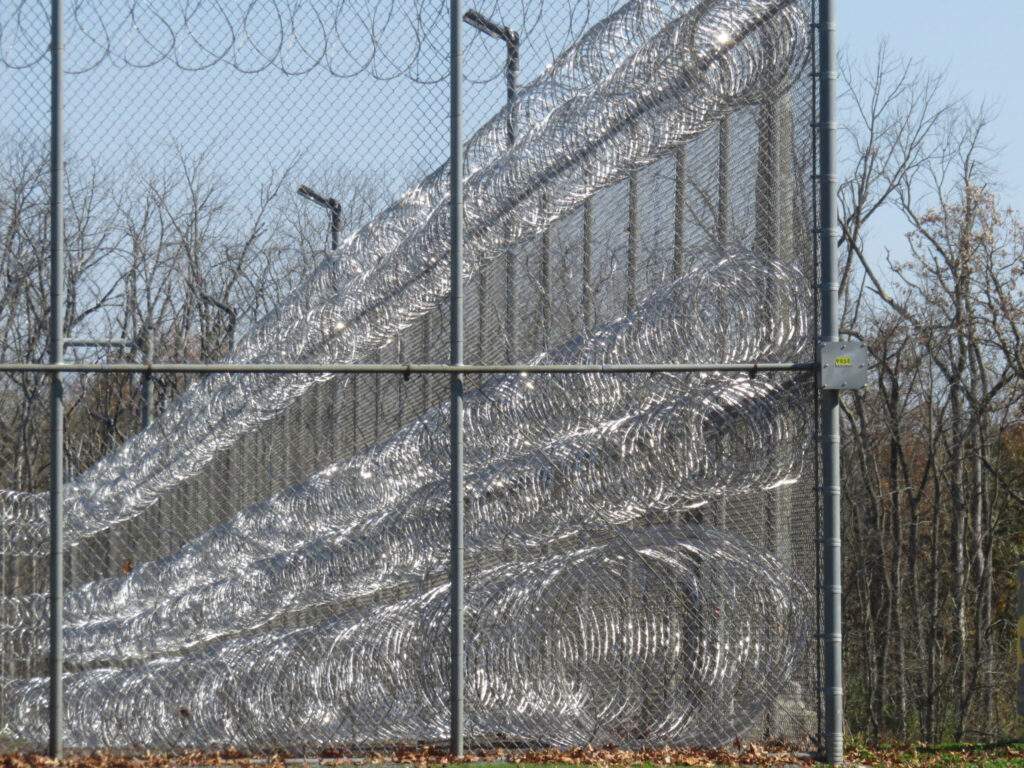
Incarcerated youth experience depression and substance abuse disorders at far higher rates than their peers in the community, according to the National Institute of Corrections. And conditions for incarcerated people worsened during the pandemic, in New York and worldwide.
To stop the spread of infection, detention centers relied heavily on isolation. But problems inside facilities grew more acute due to the growing number of supervisory staff who fell ill or quit. A joint 2021 investigation by The Imprint and The Miami Herald exposed a severe psychological toll for youth and staff in Puerto Rico’s youth prisons, with increased incidents of self-harm.
New York’s recent audit noted that there were no reported cases of illicit substance use in 2019 at the secure facilities. But in 2022, there were 37 such incidents, and positive drug tests were up 24%.
The report had its bright spots: The state comptroller noted that physical conditions such as sufficient lighting, ventilation and fire safety were up to par in the facilities investigated.
But the more critical findings land just four months after a staffer at a New York residential facility for girls pleaded guilty to the rape of a 15-year-old, and has since been sentenced to prison.
The report also follows the death of a teenager in a New York pretrial juvenile detention facility, which is not among those the comptroller examined. On Oct. 27, 19-year-old Caprist McBrown died of an alleged fentanyl overdose at the Capital District Juvenile Secure Detention Facility near Albany.
The detention center is run by a nonprofit under county contract, but overseen by the state, which mandates safety policies, such as the recently launched opioid antagonist training for staff. A lawsuit filed by McBrown’s estate against Capital District facility staff and management settled in February with undisclosed terms.
The problems in New York are not unique to that state, although they rarely make headlines. States across the country have seen a surge in violence at juvenile facilities as a result of post-pandemic staff shortages.
Facility jobs can be rewarding — a chance to make a difference in a troubled young person’s life — but also trying. Staff can be poorly compensated for dangerous work. Current job postings in New York counties offer positions for youth support assistants who make between $40,000 and roughly $50,000 a year, and youth support specialists who earn $65,000 annually.
Post-pandemic staffing shortages are widespread in the industry, and they can cause harm to youth.
A January report by Kentucky Auditor Allison Ball found hiring and retention problems at the state’s Department of Juvenile Justice have resulted in higher rates of youth placed in solitary confinement during lockdowns, and an increased number of violent incidents and more use of pepper spray. In North Carolina, high vacancy rates among state staff have resulted in dozens of children at detention facilities forced to sleep on the floor for lack of space, according to a 2023 report by the Raleigh television station WRAL.
In a survey of more than 200 state and local juvenile corrections and probation agencies, the Council of State Governments Justice Center found that 90% faced moderate or severe challenges with hiring and retaining front-line facility staff, with vacancy rates as high as 30% to 40% in some places.
It is not uncommon for lawyers who represent sentenced teens in New York to hear about these issues, they told The Imprint.
“None of the numbers in the report came as a surprise,” said Natalie Peeples, attorney and director of youth justice policy and training at the Legal Aid Society of New York City. She described conflict with staff, lack of programming and violence among the common complaints she and her colleagues receive.
Peeples highlighted the urgent need to more properly assess the mental health of detained youth, given how many arrive at the facilities with serious underlying psychological conditions, such as early childhood trauma, poverty, racism and exposure to violence.
“It’s baffling the way our kids are treated sometimes,” she said.
Note: This story has been update to reflect comment provided late Friday evening by the state Office of Children and Family Services.