
One year after the apparent overdose death of a teenager in custody, a first-ever policy in New York will require pre-trial juvenile detention facilities to train staff on warning signs of excessive use of opioids, and to act quickly with life-saving medications.
Officials with the Office of Children and Family Services (OCFS) said the recently released directive is part of the state’s broader efforts to fight contraband entering detention facilities.
“OCFS is keenly aware of the ever-increasing danger that opioids pose to the public and understands that bad actors will stop at nothing to illegally distribute them,” a spokesperson told The Imprint. “We take our responsibility to protect the safety and well-being of youth and staff in facilities through robust oversight very seriously.”
The agency’s “Administrative Directive” aims to “prevent New Yorkers from succumbing to tragic injuries and loss of life due to opioids.”
The new policy, released Jan. 30, applies only to county-run pre-trial detention centers, which house youth ages 13 to 21 prior to reaching a decision in their juvenile cases. Officials with the state child welfare agency — which oversees the foster care and juvenile justice systems — have already trained staff and provide the opioid overdose medication naloxone in state-operated facilities that house youth adjudicated of crimes.
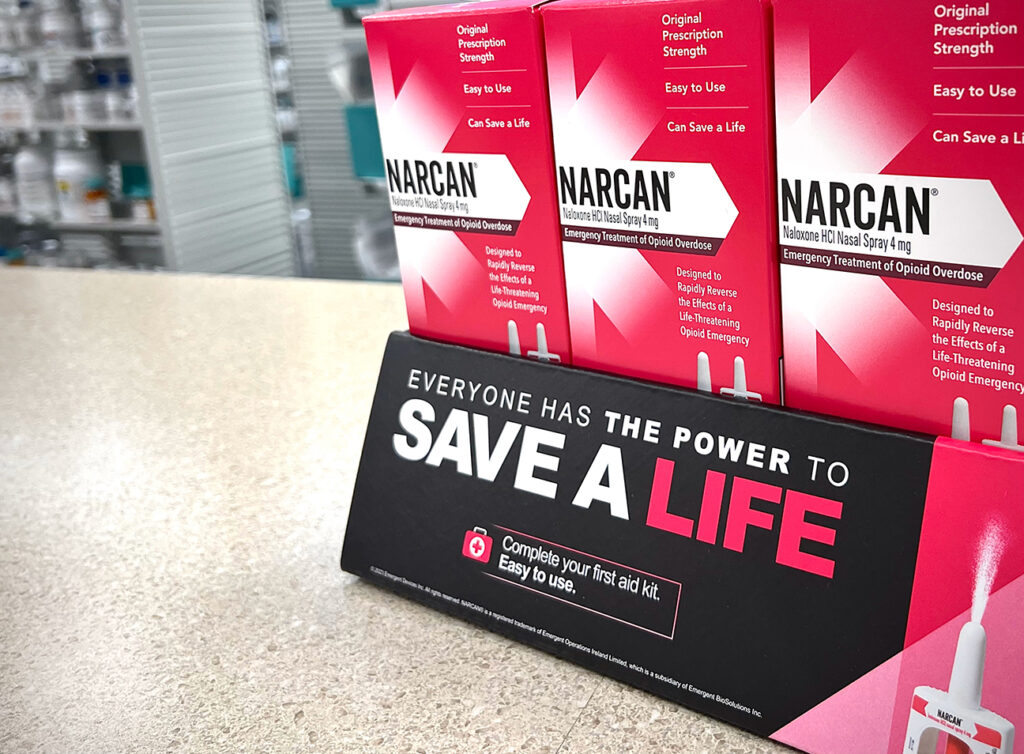
Pre-trial facilities have one month to submit plans for compliance. Centrally, facility staff must have ready access to naloxone, a nasal spray or injection that blocks the opioid drugs’ effect on the brain. Plans must also detail staff training protocols for administering an “opioid antagonist” in emergencies, such as youth displaying labored breathing and narrowed pupils.
Overdose deaths due to synthetic opioids have spiked for New York youth 23 and younger over the past 10 years, government statistics show. Incarcerated youth are among those at risk.
“Young people are vulnerable to accidental or intentional overdose and therefore it is critical for detention facilities to have the capacity to respond immediately,” the new policy directive states. “Detention facilities must obtain naloxone, retain it in the facility, and train all facility staff to recognize the signs of opioid use, dependency, and overdose and how to utilize naloxone in cases of suspected overdose.”
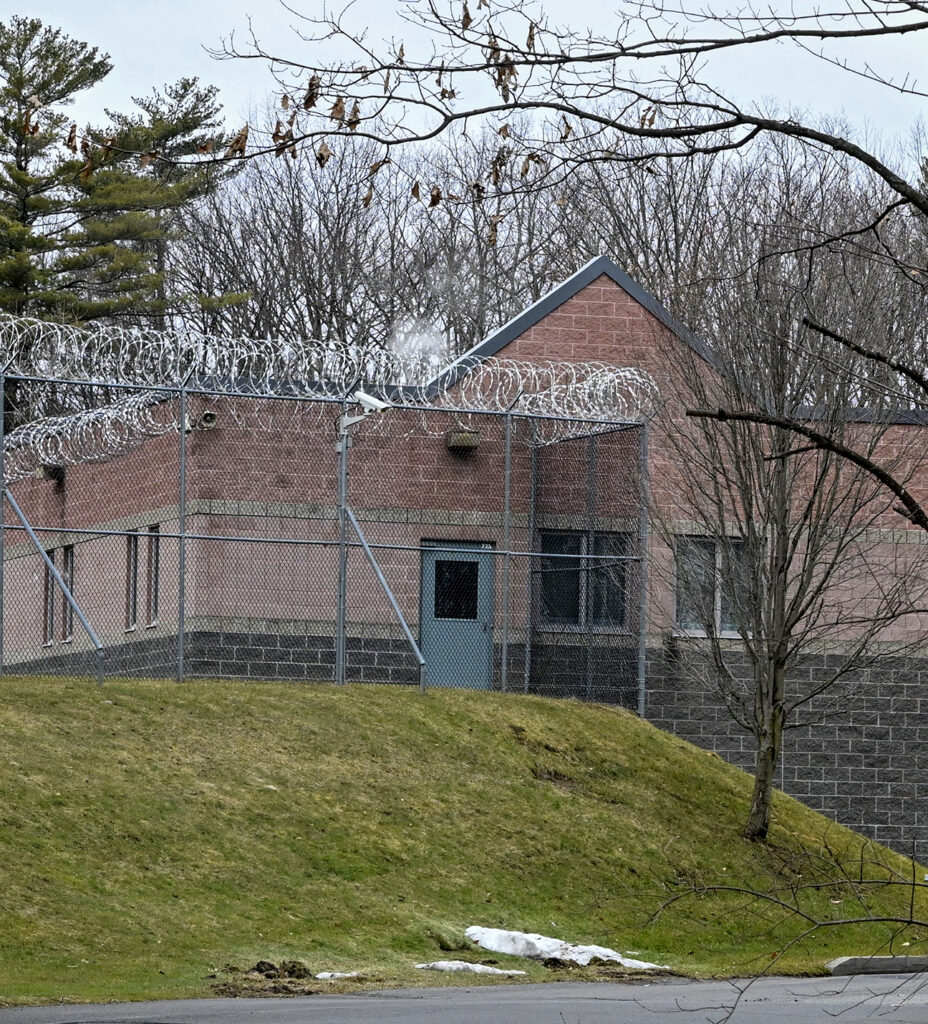
The policy directive comes more than 15 months after 19-year-old Caprist McBrown died in Albany’s Capital District Juvenile Secure Detention Facility. The rare death of a juvenile in custody prompted calls for better protection of young people behind bars.
Last year, a wrongful death and negligence lawsuit was filed by the teenager’s family against Capital District and its operators, including the nonprofit Berkshire Farm Center and Services for Youth and some current and former staff.
The family’s attorney, Daniel Smalls, told The Imprint that McBrown’s estate reached a settlement in the case this month, but declined to share further details on its terms. Opposing parties could not be reached by press time to discuss the matter.
The suit, filed in Albany County Supreme Court last July, alleges that a facility employee with a lengthy felony conviction record provided the teen with a “lethal dosage” of the opioid pain medication fentanyl without a prescription before he was found unresponsive in his room Oct. 27, 2022. It also cited an autopsy report that found McBrown had been given the antidepressant Trazodone as a sleep aid, the lawsuit alleged.
In addition to the allegations raised in the family’s lawsuit, a prosecutor on the teenager’s case, Schenectady County District Attorney Robert Carney, expressed concern to The Imprint about the level of medical care and supervision McBrown received on the day of his death.
Yet more than a year later, state agencies investigating the tragedy, including the Commission of Correction, have not released information on his cause of death.
Christine Buttigieg, a spokesperson for the Justice Center for the Protection of People with Special Needs, the state’s watchdog agency for detention facilities, said Thursday that the “investigation remains open and active” and that it is “working with local law enforcement in support of their investigation.”
The Justice Center could not provide information on the possibility of other overdose deaths in juvenile facilities, stating that those data are not tracked.
Going forward, there will be policies in place directing juvenile detention staff to intervene in such cases.
The Jan. 30 directive to New York detention facility directors was signed by Nina Aledort, deputy commissioner with the Division of Youth Development. Its recommendations mirror some of those called for by the National Commission on Correctional Health Care. Facility plans that must be submitted to the state in the coming weeks are required to detail an “Opioid Overdose Prevention Program” and name a program director. Within 60 days, all medical and supervisory staff must be trained on administering the Food and Drug Administration-approved naloxone, and on how to recognize the signs of opioid addiction and overdose.
The remaining staff have six months to receive the training and one year to learn how to administer the opioid antagonist, with re-training every other year. New hires must be trained within six months.
Facilities must maintain training records for all staff showing that they have complied with the new requirements. And all overdoses must now be reported in the state’s facility tracking system and to the Justice Center.
‘A life-saving intervention’
More than 100,000 people died in this country from opioid overdoses in 2021 and 2022, federal data show — figures that have shaken family members and public health authorities across the country. But deaths among youth in lockups, while rare, are poorly tracked.
“We are in a crisis — our patients and their friends/family members are dying of opiate overdoses frequently — and having naloxone as a tool is a life-saving intervention,” Dr. Elizabeth Lowenhaupt, a child psychiatrist at Brown University, stated in an email. “The more people know how to use it and can access it to have available when needed, the better.”
That includes other incarcerated youth who could also come to the rescue of their peers, added Lowenhaupt, who chairs the National Commission on Correctional Health Care.
“There are pros and cons in a system with limited resources, but the bottom line is that everyone who works with adolescents and young adults involved in the juvenile legal system have likely already known someone who has overdosed on opiates and should have the tools available to prevent death when they can,” Lowenhaupt said.
She noted that — unlike in New York’s new policy — incarcerated teens in Rhode Island are instructed how to administer naloxone to their peers, as recommended by the national health care commission.
Its recommendations further state that upon release, people who have been detained “should receive education on overdose and naloxone use, optimally in conjunction with family/friends/visitors.”
“Everyone who works with adolescents and young adults involved in the juvenile legal system have likely already known someone who has overdosed on opiates and should have the tools available to prevent death when they can.”
— Elizabeth Lowenhaupt, chair of the National Commission on Correctional Health Care
Overdose deaths in juvenile detention facilities are rare, but not unheard of. Youth have died from opioid overdoses not only in New York, but also in California, Washington and Ohio.
A growing number of states are making efforts to prevent them. Outside of New York, state officials have acted far more expeditiously on implementing policies specific to detained youth.
Massachusetts took such action as early as 2016, introducing a policy that requires regular training, annual overdose reports and “Naloxone Rescue Kits.” The policy applies to all Department of Youth Services employees as well as contractors, interns and volunteers.
New Mexico state officials announced their opioid plan in 2020, which provides training for juvenile probation officers, behavioral health therapists and facility staff, advising them on how to carry and administer the naloxone nasal spray, Narcan.
“This is an important tool now available to our Juvenile Justice and other field staff,” Children, Youth & Families Department Secretary Brian Blalock announced four years ago. “Narcan has saved thousands of lives and just like defibrillators placed widely in public spaces, Narcan should be carried by anybody who takes opiates or has a loved one who takes these prescription medications so they can be taken in the safest way possible.”
In many parts of California, there has been a push over the past three years to make overdose prevention medication widely available at libraries, schools, parks and juvenile detention centers. Santa Clara, San Luis Obispo, San Diego and Los Angeles counties have installed Narcan kits at juvenile facilities and provided training to local probation officers.
Nonetheless, at least two young people in the state have died from fentanyl-related overdoses during that time.
Sixteen-year-old Alan Arguelles died in a San Diego County juvenile hall in September 2021. A lawsuit filed by his mother alleged that probation staff failed to adequately check up on him after he was found to have overdosed two days earlier, according to reporting by The San Diego Union Tribune.
Eighteen-year-old Bryan Diaz died of a fentanyl overdose in a Los Angeles County juvenile hall in May, even though that county had an opioid overdose prevention policy in place. Four other detained youth in Los Angeles overdosed on Percocet and fentanyl in June, but survived after being hospitalized. The Los Angeles Times reported that at that time, not all staff had been trained in the new overdose prevention procedures.
“There’s been overdoses, sickness and there’s been death. We are deeply concerned and frankly disgusted,” Esché Jackson, chair of the county probation department’s oversight commission said at a public meeting last June. “The main question I believe I’m left with is: how? How are the dangerous things continuing to enter the facilities? And more importantly, how many youth have to die for something to be done about it?”