
As the New York state Legislature hashes out its spending plan for the next year, there’s renewed attention on funding for a high-profile juvenile justice reform that is designed to keep older teens out of the adult criminal justice system.
In her recently released executive budget, Gov. Kathy Hochul calls for another $250 million for the Raise the Age initiative, which took effect in 2018 and 2019.
The reform — which steers teenagers who are 16 and 17 out of adult courts and detention facilities — is intended to give young people “the best chance at turning their lives around while ensuring public safety,” Hochul’s proposed budget states. “Raising the age of criminal responsibility to 18 better aligns current practice with research that shows incarcerating adolescents in adult jails and prisons has significant negative impacts on youth, including higher suicide rates and increased recidivism.”
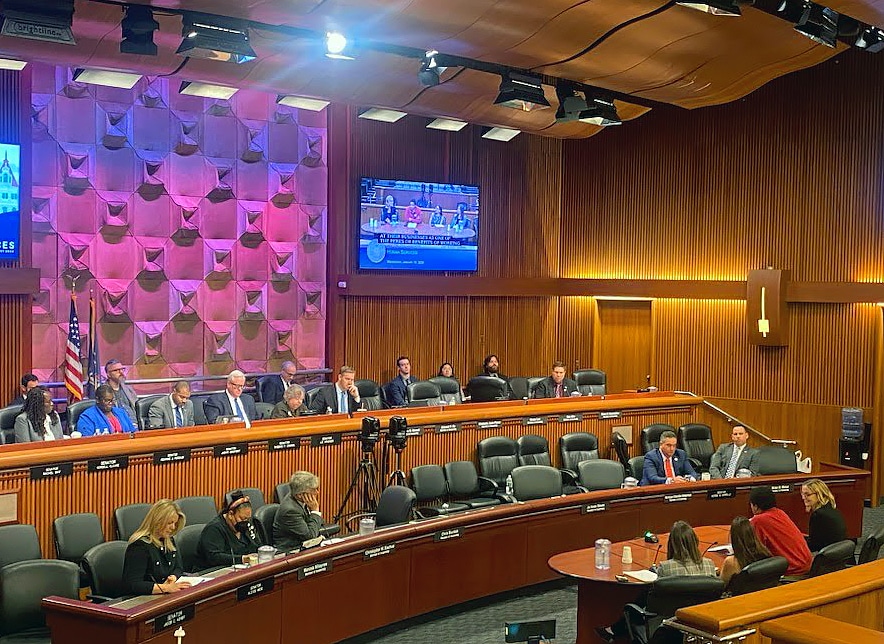
Now it’s the Legislature’s turn to square the budget with the governor’s plan. And at a hearing Wednesday, the $250 million directed to counties to pay for things like community-based treatment, probation services, restorative justice and mental health programs came under heightened scrutiny.
Some law-and-order Republicans in the state Legislature say the law has jeopardized public safety. At a Wednesday budget hearing with lawmakers from both houses focused on human services, they continued to push back against the reform.
But proponents argue such an approach is both humane and the most effective way to prevent gun violence and fight future criminality. Raise the Age “acknowledges that accountability does not always and exclusively mean punishment,” Assemblymember Anna Kelles wrote in a recent op-ed published by NYN Media. “It’s about creating long-term sustainable public safety for our communities.”
Kelles points to data and analysis that has emerged in the years since the law took effect: According to 2021 state figures, arrests for youth under 18 decreased 67% outside of New York City. And a report by the John Jay College of Criminal Justice found that since 2017, New York City youth under 18 have been responsible for a decreasing share of violent crimes.
But concern is growing that the Raise the Age funds are not reaching counties fast enough, and that to date, New York City has not been able to benefit from the law. Local leaders say they are waiting too long to be reimbursed by the state to be able to enact the reforms called for.
“I think the reason why we’re getting into this trouble is we’re asking providers to lay out money they just don’t have.”
— Assemblymember Andrew Hevesi
In her opinion piece published Jan. 22, Kelles wrote that the state has allocated $800 million over the last four years to implement Raise the Age, and this year, the governor and the Legislature proposed spending another $250 million. But “bureaucratic rules and red tape” have hindered counties’ ability to access the money that pays for Raise the Age-related services, including funds for community-based organizations that serve the youth.
“I think the reason why we’re getting into this trouble is we’re asking providers to lay out money they just don’t have,” Assemblymember Andrew Hevesi said at Wednesday’s budget hearing.
In order to receive the reimbursement funds, counties must submit a comprehensive plan that “identifies anticipated, eligible incremental Raise the Age-related costs” according to the Department of Criminal Justice Services.
Hevesi, who chairs the children and families committee, said he and Assemblymember Michaela Solanges will pursue a budget bill that would allow service providers to “get the money upfront.”
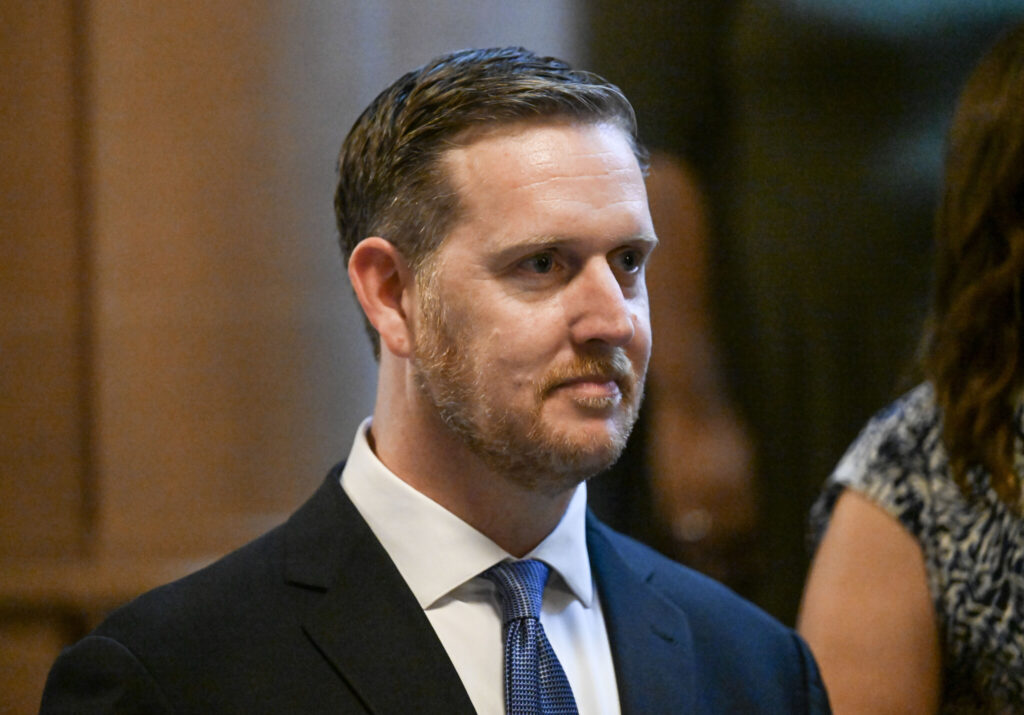
Suzanne Miles-Gustave, acting commissioner of the state’s Office of Children and Family Services, said roughly 39 of New York’s 62 counties have had Raise the Age plans approved, “so I do think that there is more money to be spent.”
Responding to the need for better outreach to counties so that more plans are submitted and funded, Gustave-Miles noted: “We all can be doing more.”
Miles-Gustave also told lawmakers that New York City could receive Raise the Age funding in the future, if it applied for a waiver based on “undue hardship,” an application she said she would be “happy to review.”
Critiques of Raise the Age — beyond concerns about funding the reform — also emerged at Wednesday’s hearing. Assemblymember Marjorie Byrnes questioned how the $250 million investment would improve public safety.
“As we look at this budget, what I see is that Raise the Age is not helping — in fact, I believe it’s hurting people, and it’s creating more victims,” she said.
Miles-Gustave responded, noting that inflammatory news articles may be driving some of the concern.
“I read the same sensationalized press,” she said, noting reports about “the failure of Raise the Age.” But, she quickly added: “I think we all need to bring it back to the intent of Raise the Age.”
New York was one of the last states in the country to pass such a law. Miles-Gustave reminded lawmakers it was driven by emerging science on the adolescent brain revealing that full development isn’t complete until well into the 20s, impacting impulse control, decision-making and the ability to weigh consequences.
“We won a huge victory for our state when we legally affirmed the importance of treating children as children by connecting them to support services and putting them on a healthier and more productive path,” Kelles wrote in support of the law. “But it was more than a moral choice; passing Raise the Age followed decades of scientific evidence and best practices on public safety.”