
Additional legislation signed into law will assist 21-year-olds leaving foster care and identify the needs of kids in the system living with a developmental disability.
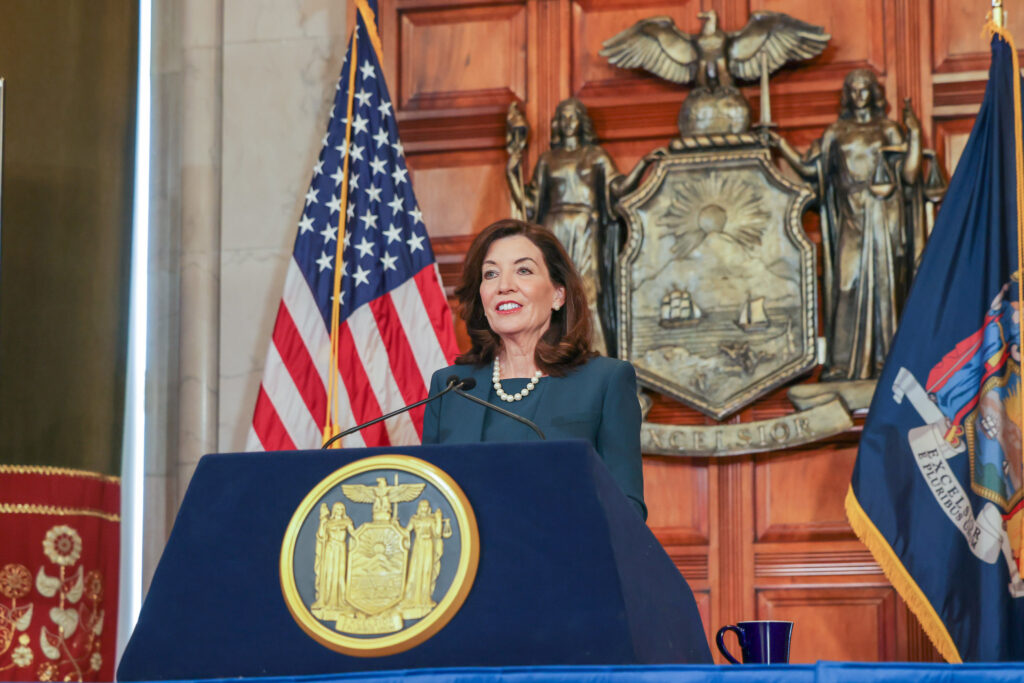
After years of advocacy, New York Gov. Kathy Hochul has signed three bills aimed at better protecting children and young adults in foster care. The new year begins with legislation, now written into law, that will: ensure that adoptive parents don’t continue to receive monthly payments after children are no longer under their care; support aging-out youth; and track how many foster children have a developmental disability.
Two of the bills take effect immediately, with potential delays for the adoption-related reform.
For family advocates, policy experts and lawmakers who have rallied around such systemic changes, the recently passed legislation signals an optimistic turn.
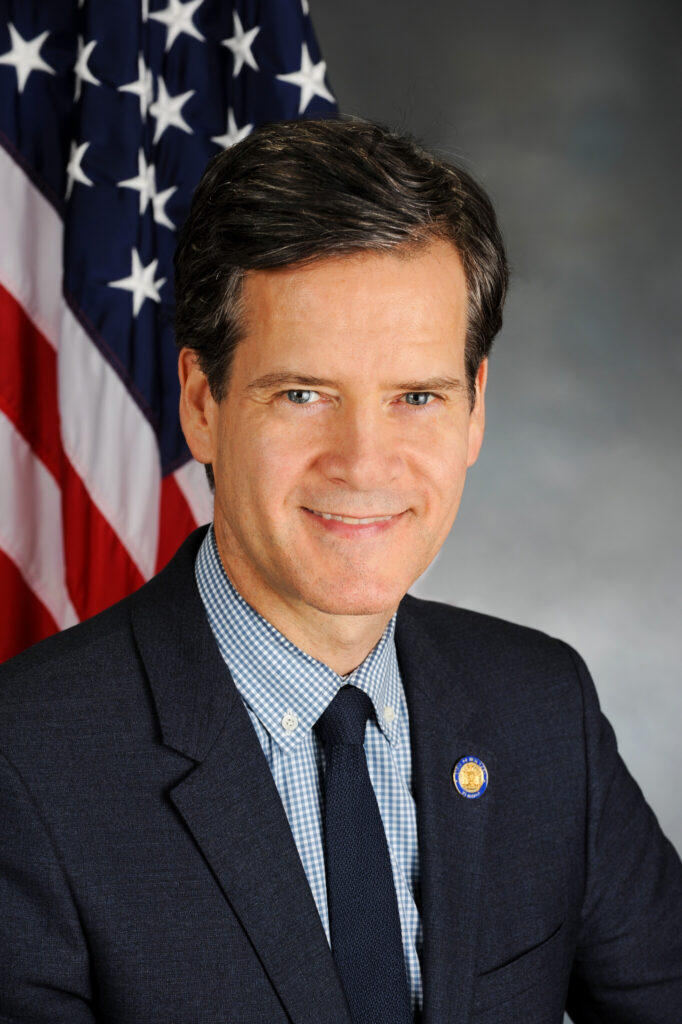
“Each of these bills provide a common sense solution to problems facing our state’s child welfare system,” Assemblymember Andrew Hevesi, who sponsored all three bills, said in a statement sent to The Imprint. “I thank Governor Hochul and her team, as well as the Assembly program and counsel staff for their dedication and hard work which turned these bills into laws, and I look forward to continuing to introduce legislation to improve the ways in which our state supports children in foster care.”
One significant bill Hochul signed addresses a systemic weakness that has been the subject of nationwide scrutiny: A program supporting the adoption of disabled or “hard-to-place” children from foster care sometimes fails, and has in some cases funneled money to parents no longer acting as caregivers.
According to state officials, advocates and former adoptees, that likely resulted in the misspending of taxpayer dollars each year, and landed young people back in foster care or on their own with little financial or housing security.
“After more than a decade of raising awareness about the heartbreaking realities of broken adoptions, the passage of this adoption subsidy reform bill is a profound milestone.”
— children’s rights Attorney Dawn Post
“In some cases, however, the subsidy is paid to adoptive parents who are neither providing a home nor support for his or her adopted child. A number of these are instances in which the children have returned to foster care,” the bill’s sponsor memo states. Legislators noted that in one month in 2014, the city’s Administration for Children’s Services had paid the subsidy “for 143 adopted children who were, at the time of payment, back in foster care.”
The bill’s authors wrote that the state is “simultaneously paying the adoption subsidy and the foster care subsidy for these children. Eliminating this double payment could save a minimum of $12 million.”
In addition, a 2021 New York City audit found that the children’s administration had a less-than-perfect tracking system, issuing “inappropriate” payments amounting to nearly $3.5 million dollars in prior years. In nearly all of those cases, adoptive parents continued being sent money — monthly payments that typically range between about $900 and $1,200 — even after they had died, the auditor found.
The bill was sponsored by Hevesi and Sen. Roxanne Persaud. Long sought but never signed into law, last year it passed both houses of the Legislature for the first time since 2017. The legislation focused on these “broken adoptions” that lead to a return to foster care and will terminate state payments to parents who cannot provide consistent proof to child welfare agencies that they are still supporting the child. It also goes a step further, by creating a pathway to send the post-adoption subsidies directly to eligible young people between ages 18 and 21 who have left an adoptive home and returned to independent living without another legal guardian.
“We have a duty to guarantee these funds are going to the child, as intended,” Hevesi said.
Still, it was unclear at press time how long those young people will have to wait. The bill includes language describing several administrative steps the state’s Office of Children and Family Services needs to complete first, including obtaining federal approval. In a Thursday email, a spokesperson for the state office did not have an estimate of how long those steps could take, but said the agency was “finalizing its request” to the feds, and would notify the bill’s drafting commission after it’s been submitted.
Attorney Dawn Post — who specializes in children’s rights and has been researching and raising awareness about such fraudulent practices since 2012 — lauded the bill’s enactment and highlighted its urgency.
“After more than a decade of raising awareness about the heartbreaking realities of broken adoptions, the passage of this adoption subsidy reform bill is a profound milestone,” Post said over email. “This legislation ensures that financial support follows the child, providing critical protections against misuse and prioritizing the well-being of vulnerable youth.”
A second newly signed bill is the Safe Landings Act. It allows family courts to order the government to provide specific forms of assistance and resources for youth aged 18 to 21 after they have transitioned out of the child welfare system. Former foster youth will also be able to keep their court-appointed attorneys, who can petition the family courts to ensure promised assistance is received. This includes help securing independent housing, education and employment.
Sen. Brad Hoylman-Sigal, another sponsor of the bill, emphasized the importance of a “safe landing” for foster youth entering adulthood.
“No New Yorker should lose access to rights they were promised because of circumstances out of their control, such as backlogs at government agencies,” he said in an email.
In voicing her support for the legislation, Dawne Mitchell, chief juvenile rights attorney at The Legal Aid Society, pointed to the overrepresentation of Black and brown foster youth and to the fact that those young people have disproportionately higher chances of becoming homeless after leaving the system.
“Young people aging out of or being discharged from foster care to live on their own are some of the most vulnerable members of our community,” Mitchell stated.
“No New Yorker should lose access to rights they were promised because of circumstances out of their control, such as backlogs at government agencies.”
— Sen. Brad Hoylman-Sigal
The third bill signed by Hochul last year tasks the state’s child welfare agency and the Office for People with Developmental Disabilities with assessing children in foster care who have a developmental disability.
“Nationally, anywhere from 30% to 50% of the youth involved in child protective services have some type of disability,” the bill states. “This group of youth are more likely to experience trauma, disruptions, live in congregate care, and age out of the foster care system.”
The bill’s language further details how foster youth with intellectual, emotional and behavioral difficulties are more susceptible to physical and sexual abuse than than their peers in the system. They are also more unprepared for transitioning out of foster care and lack access to needed mental health treatment, leading to a lower quality of life as adults, according to legislative text.
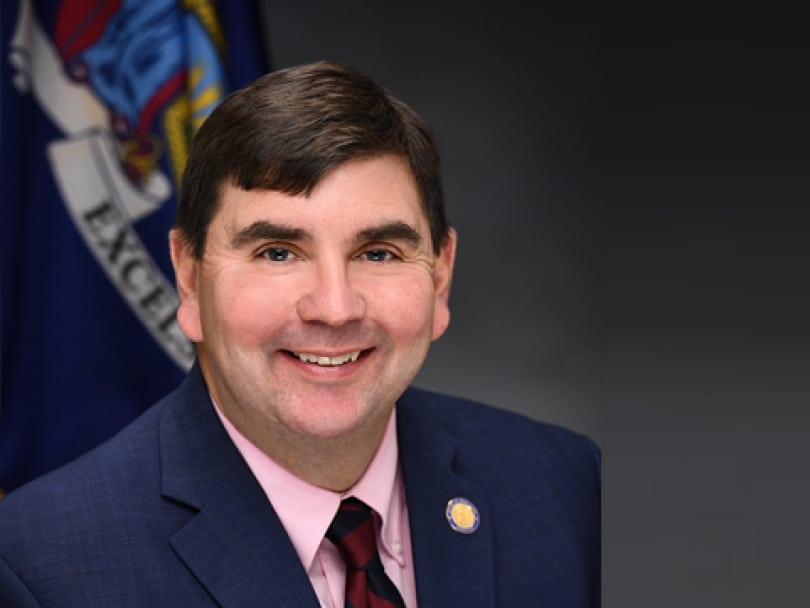
The bill’s sponsor, former state Sen. John Mannion — now a U.S. representative — said in an email that this data will be critical to providing adequate resources for foster youth with disabilities.
“It is remarkable that New York State has no reliable data regarding the number of children in foster care with an intellectual or developmental disability,” Mannion said in making a case for his legislation. He called prior practice a “significant lapse in record keeping” that hinders the ability to provide necessary services “and leaves state government uninformed when it comes to allocating resources and making important policy decisions.”
Hochul signed the three bills on Dec 21.
Earlier last year, a slate of long-sought related reform laws, each of which aimed to support parents whose children were placed in foster care, failed to gain approval from lawmakers. They include proposed bills that would have curbed anonymous reporting to the child protection hotline, provided Miranda-style warnings to parents under investigation for child abuse and neglect, and barred nonconsensual drug testing of birthing moms.
Michael Fitzgerald contributed to this report.