A bipartisan bill now before Congress would bolster the Indian Child Welfare Act by helping state and county child welfare agencies identify challenges and providing technical assistance “to shore up any weaknesses.”
Since the 1978 passage of the law known as ICWA, extra efforts must be made to protect Native American families from separation in the foster care system. But enforcement has been spotty, and tribal children continue to be far more likely than others to be separated from their homes and communities.
“For too much of our history, our children have been under attack,” Tehassi Hill, chair of the Oneida Nation said in a press statement in support of the newly introduced Strengthening Tribal Families Act. “Whether through the boarding school system or the rampant removal of children from tribal households in the ’60s and ’70s, the resulting trauma and loss of culture is only now starting to be reversed thanks in part to the Indian Child Welfare Act.”
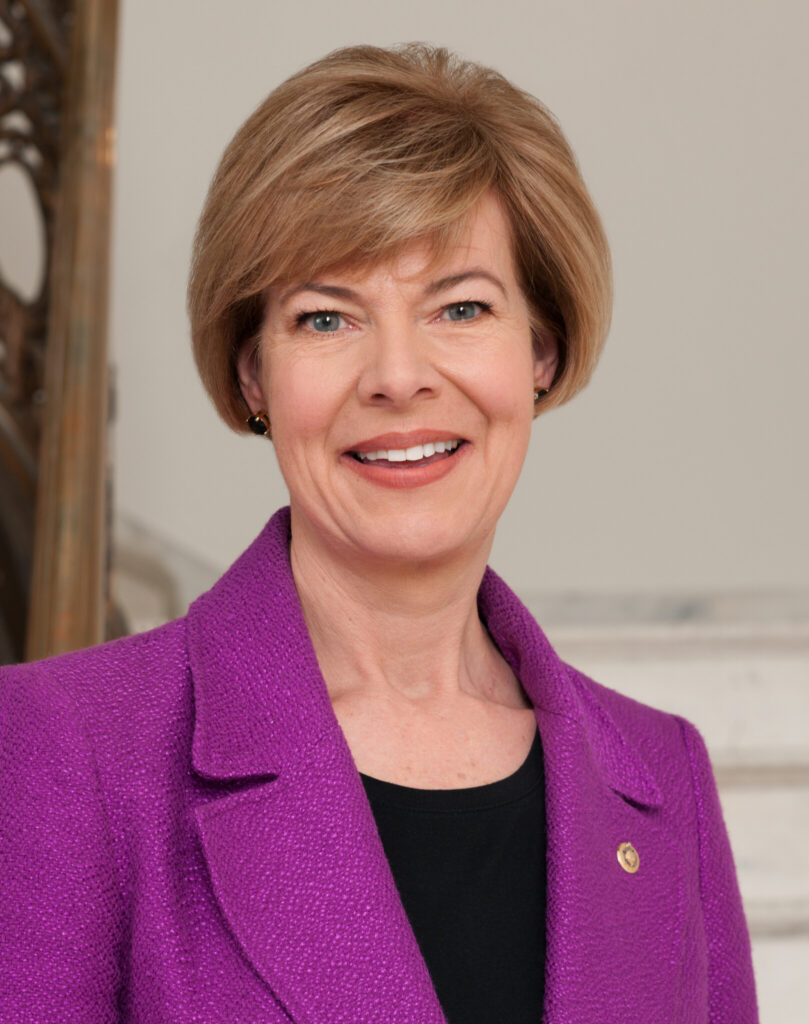
Hill said the new legislation — introduced last week by Democratic Sen. Tammy Baldwin of Wisconsin — is needed to assist states who may be falling short on ICWA’s mandates. That assistance, he added, “allows us to work together with our partners here in Wisconsin to create better outcomes for our children.”
The Strengthening Tribal Families Act, introduced by a bipartisan group of Republicans and Democrats in the House, would require states to monitor and report on compliance with ICWA, identify Indigenous children’s tribal affiliations in a timely way and improve notification to tribes when their members are taken into government custody. The legislation would also require state agencies to document how often tribes took jurisdiction of foster children’s cases, and whether their families received services they are owed to remain together or reunify once separated by allegations of abuse and neglect. States would also have to report how often tribal children were taken into foster care or adopted, and how often their parents’ rights were terminated.
Those measures would be enforced through requirements attached to Title IV-B funds, one of two key funding streams administered by the federal Administration for Children and Families to pay for child welfare services. The federal government would not only identify challenges “based on each state’s unique interaction” with the federal law, but help overcome them.
“With Indian children disproportionately represented in the foster care system, this bill will help us achieve better outcomes for Indian children,” Nebraska Rep. Don Bacon, a Republican who introduced the House version of the bill, said in a press release.
Bacon also noted the importance of keeping tribal families together. “Research shows us kinship placement helps children develop a stronger attachment to their extended family and culture,” he added.
According to the National Indian Child Welfare Association, before ICWA became law in the late 1970s, more than one-quarter of all Native children were being removed from their homes. Of those children, “85% were placed outside of their families and communities — even when fit and willing relatives were available.”
ICWA sets federal requirements for these cases in state courts, and although it has not fully repaired the disproportionality or high removal rates, it is widely considered the “gold standard” for child welfare law. Requirements include “active efforts” to keep children within their families and to help parents overcome parenting challenges, and the prioritization of relatives, kin and tribal members when placing Indigenous children outside their homes.
Rep. Tom Cole, a Republican member of Chickasaw Nation of Oklahoma is among those who introduced the bill, and issued a statement this week in support of strengthening the landmark federal law.
“The Indian Child Welfare Act (ICWA) protects vulnerable Native American children from being taken from their tribal communities and culture during custody or guardianship proceedings,” he said. “However, due to such a high rate of Indian children entering into our foster care system, ICWA is not enough.”
ICWA enforcement and adherence varies greatly by state, 16 of which have local laws that reinforce its protections. But guidance from the Administration for Children and Families is limited, and despite repeated calls for better record-keeping, federal data on compliance is still not kept.
The Strengthening Tribal Families Act would require biennial reports to Congress on how states are complying with ICWA, and what assistance from the feds they’ve received to address shortcomings.
If signed into law, the new requirements would be a much-needed improvement and lead to greater consistency in parts of the country where tribes have no jurisdiction over foster children, or where they share jurisdiction with states, said University of Washington Associate Professor of Social Work Angelique Day, a descendant of the Ho-Chunk Nation.
“A more complete data picture will help to ensure that ICWA is being fully adhered to by states across the U.S.,” she said. “Currently, ICWA compliance looks vastly different state to state.”
But Day said more could be accomplished by the federal legislation to support tribes that receive Title IV-B funding, helping them collect data in cases where they have jurisdiction. “Until that happens,” she added, “we won’t have a full and complete picture of what ICWA implementation really looks like across Indian Country.”

Stories like these take time and many resources to produce. We can’t do this without support from our community. Donate today – any amount makes a difference.