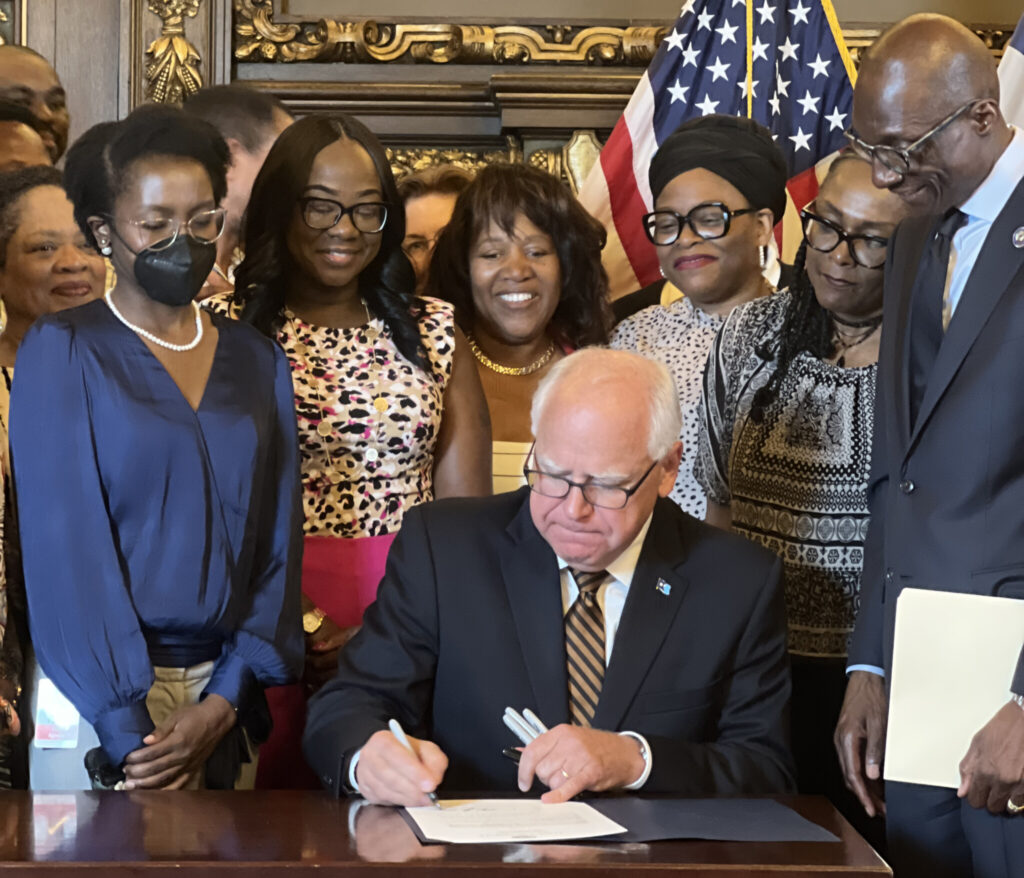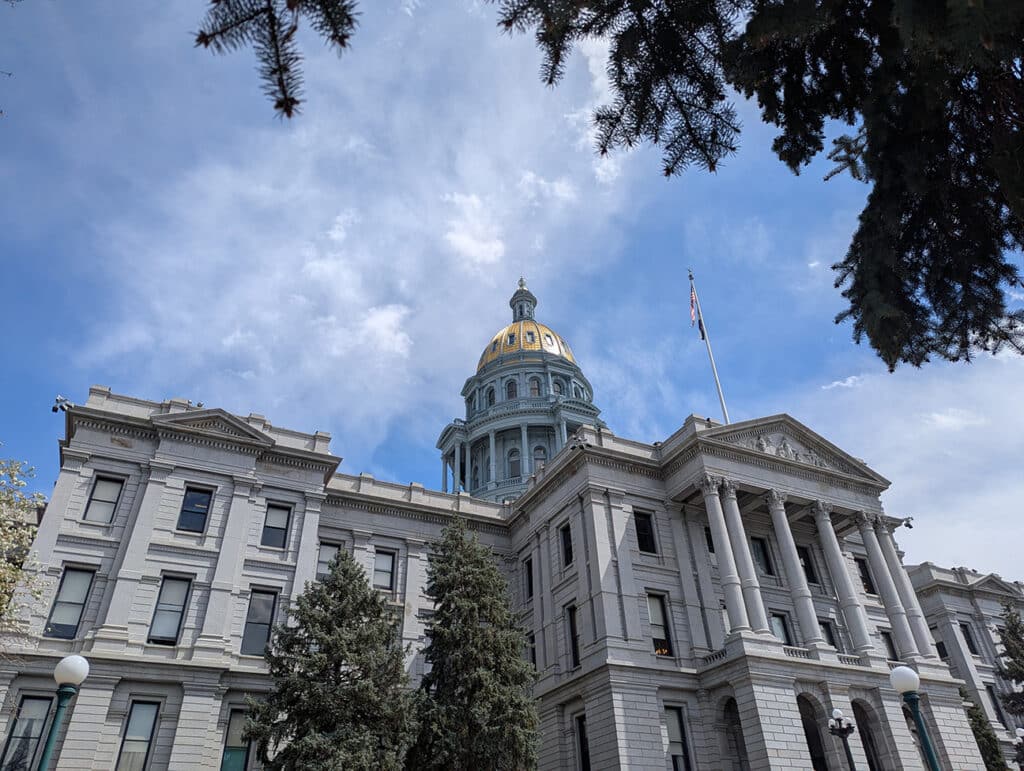

Minnesota Gov. Tim Walz signed a bill into law last week that will better support the state’s Office of Ombudsperson for American Indian Families by relieving the independent agency from having to pay court fees when it weighs in on child welfare cases.
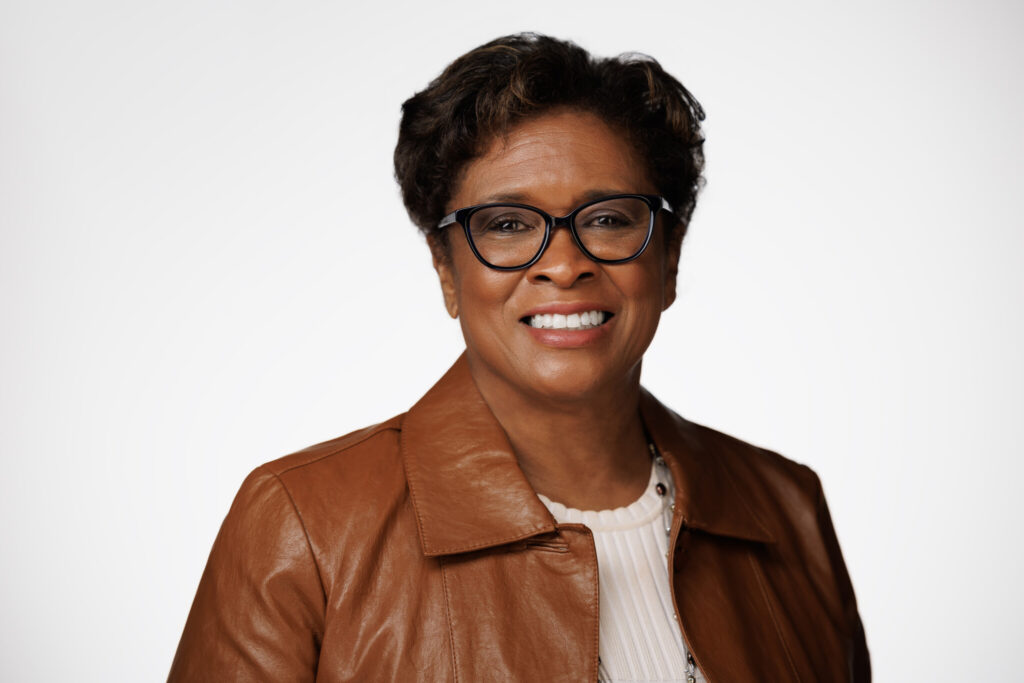
“This will allow the Ombudsperson to operate with less financial hindrance, therefore providing better advocacy for American Indian Families,” state Sen. Mary Kunesh said in a statement.
Kunesh and Rep. Sandra Feist co-authored the bill which will go into effect on Aug. 1. The new law will exempt the ombuds office from paying court fees in cases involving children’s care and custody, human services and marriage dissolution, as well as guardianships for minors or incapacitated people.
The ombudsperson regularly sends letters to Minnesota courts to advise them of the special protections that tribal children must be afforded in child protection cases. However, under current rules there is a substantial filing fee, which only some courts have waived. Due to those costs, the ombuds office is limited in the number of letters that it can file.
As the state’s legislative session winds down, Gov. Walz also signed a bill requiring a biennial report to evaluate the Safe Harbor program, which protects sexually exploited minors from being criminalized. The reports must now be submitted to the Legislature and the Minnesota Department of Health commissioner by the state’s director of child sex trafficking prevention.
Another bill signed by Walz bolsters training requirements for mandatory reporters enabling them to better identify signs of child abuse. Under the new law, at least half of mandated reporters training must focus on identifying suspected child maltreatment, and it must include input from medical and mental health professionals, social workers and attorneys.
New support will also be in place for the Minnesota Office of Ombudsperson for American Indian Families, created in 2021 and believed to be the only independent state agency of its kind in the nation. The office investigates complaints about failures to comply with the Indian Child Welfare Act (ICWA) and the Minnesota Indian Family Preservation Act (MIFPA), statutes that govern child protection cases for tribal children. Ombuds staff provide information and resources regarding Indigenous children in the child welfare system, including placement, public education and housing issues.
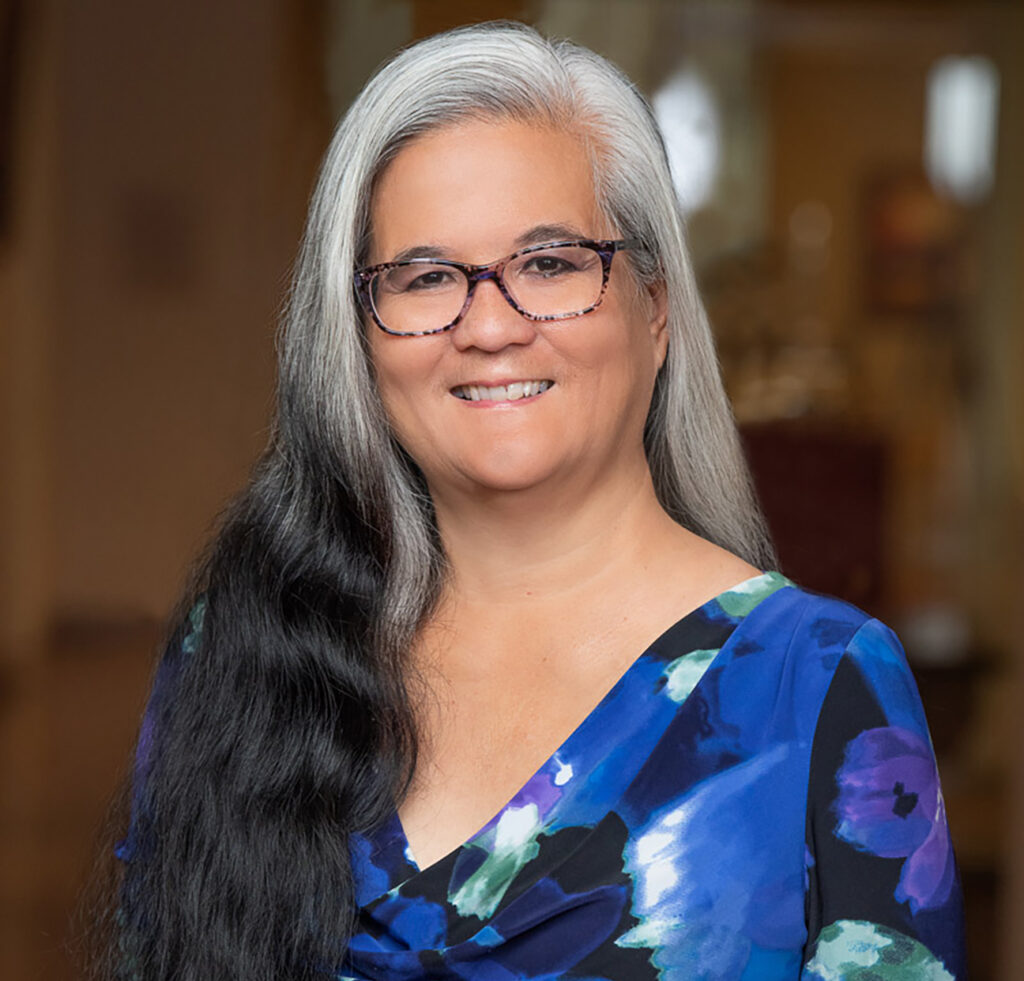
Although ombudsperson Jill Kehaulani Esch, who is Native Hawaiian, is a Minnesota-licensed attorney, she does not provide legal advice and does not advocate for any particular side of a case. Rather, she dispenses information and resources, and acts as an independent party ensuring that all relevant laws and statutes are being adhered to. Her office can recommend actions to correct non-compliance with ICWA and MIFPA and make policy recommendations, but does not have enforcement authority.
The office typically weighs in when the fate of Indigenous children is before the family courts. In one case, for example, Esch called out “insufficient and or/incomplete information” regarding a child who is a member of the Yankton Sioux Tribe, and informed a judge that the tribe, the child’s parents and the Bureau of Indian Affairs had not been properly notified of the case that falls under special state and federal protections.