Update: A bill extending the Montana Indian Child Welfare Act, which had been set to sunset, was signed into law by Gov. Greg Gianforte on May 21.
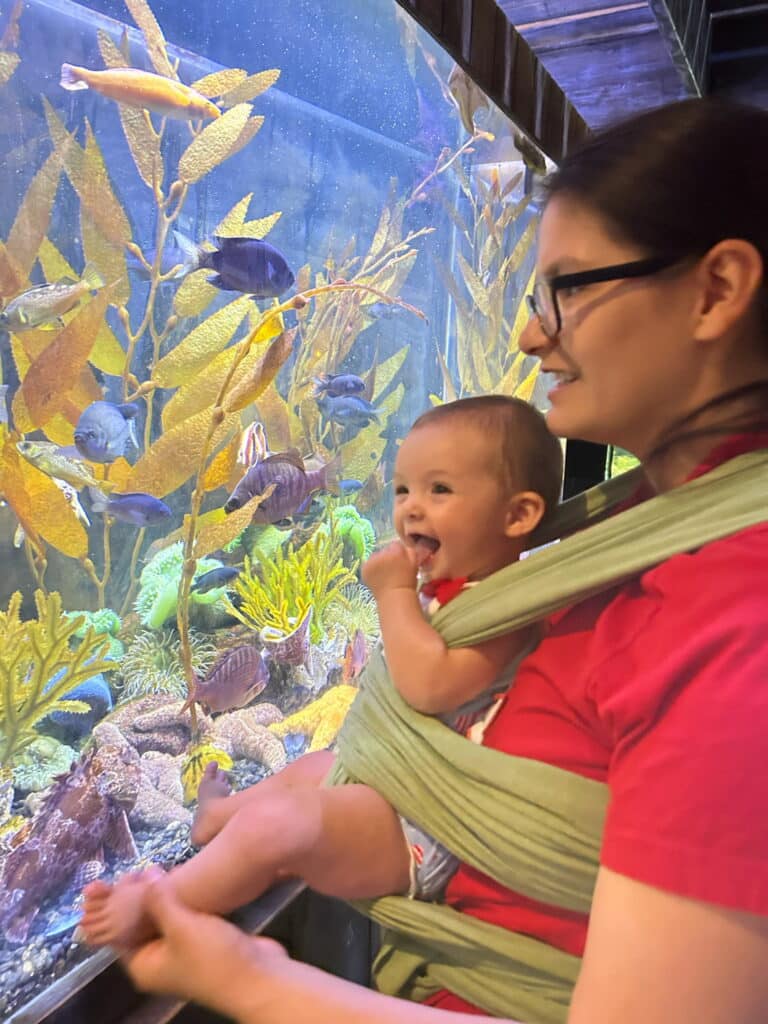
Brittani Lopez cuddled her 15-month-old daughter while testifying at a virtual hearing before the Colorado state Legislature earlier this year.
Elizabeth, who spent her early months in the child welfare system, wore a pink onesie and tugged at her Sicangu Lakota mother’s long porcupine-quill earrings as Lopez urged lawmakers to improve Colorado’s Indian Child Welfare Act (ICWA). The baby breastfed as her mother read the notes she had feverishly scribbled on printer paper — descriptions of losing her daughter to foster care.
If proposed legislation passes, the state would amend and further strengthen its local version of the federal ICWA, which requires heightened protections for Indigenous children and families in child welfare cases.
In a recent interview, Lopez said existing law provides some — but not enough — protection for Native families like hers.
“Without this law, I would not have gotten my daughter back,” Lopez said, bouncing her baby on her knee. “But even with ICWA, I still had to fight every step of the way with our case, to be like, this is the ICWA law, this is not a suggestion.”
Colorado is one of three states attempting to amend or pass new local ICWA laws this year. To date, at least 17 states have fortified the 1978 federal act, crafted to counter centuries of U.S. government policies that forcibly separated Native children from their families and sent them to Indian boarding schools and white adoptive homes.
The pending House bill aims to ensure compliance with federal mandates by closing legal loopholes and reinforcing best practices in child welfare, according to tribal leaders promoting the changes.
A central provision of ICWA cases involves an “active efforts” requirement to prioritize children’s relatives or other Indigenous caregivers when placements are considered — and providing greater opportunities for parents to reunify with their children.
“Even with ICWA, I still had to fight every step of the way with our case, to be like, this is the ICWA law, this is not a suggestion.”
— Parent Brittani Lopez
Colorado passed a local version of ICWA in 2023, titled “Colorado Rules of ICWA Procedures.” The proposed enhancements are described as “affirmative, active, thorough, timely, and intended to maintain or reunite an Indian Child with the Indian Child’s family by providing remedial services and rehabilitative programs.” The protections would require “more than a referral to a service” and must occur in partnership with the child, parent or custodian, extended family and tribe.
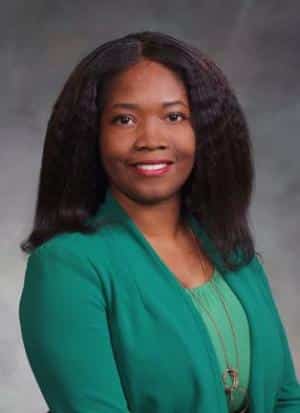
Rep. Junie Joseph, a family law attorney serving in the Colorado House of Representatives, is one of the bill’s sponsors. She said she’s seen the need for stronger ICWA laws in Colorado through her experiences handling such cases.
“What this bill is saying is that everyone involved in the case has to do active efforts,” Joseph told The Imprint during an interview at the state Capitol. “We were already doing the work here in Colorado, but this is saying not only do you have to do the work, you have an obligation to do it right. It is no longer that as long as we’re passively following federal law, it is good enough.”
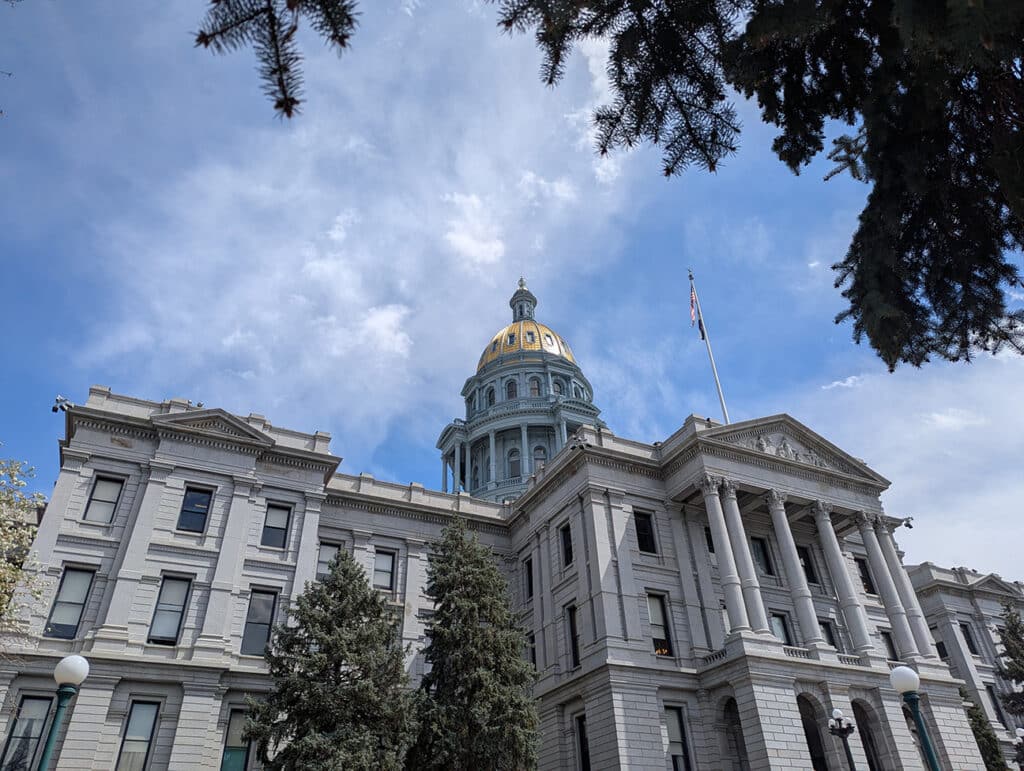
Colorado’s bill passed the House of Representatives on March 19 following a 62-3 vote and is set for a hearing in the Senate Health and Human Services Committee on April 23. If passed, the legislation will not require any additional state funding, and is expected to have minimal impact on the current workload of state employees, according to a legislative analysis. It would also officially codify the rules as the Colorado Indian Child Welfare Act.
“Hopefully the future that we will see is that everyone will be all hands on deck to support Native communities and to reaffirm their sovereignty, because that’s what this is really about,” Joseph said. “We don’t want Native children to be just adopted into white families without having a broader community conversation.”
The bill is also backed by the Navajo Nation Council’s Naabik’íyáti’ Committee, which passed a supportive resolution in March.
“It is crucial that we take every step to ensure our children stay connected to their families, culture, and tribal identity,” Council Speaker Crystalyne Curley said in a press statement.
“This is saying not only do you have to do the work, you have an obligation to do it right. It is no longer that as long as we’re passively following federal law, it is good enough.”
— Colorado state Rep. Junie Joseph
Lopez said she hopes social workers and other professionals in the child welfare field understand and follow the laws protecting Indigenous families. During her two minutes of testimony before the state Legislature on Feb. 10, she pointed to ICWA requirements that Native homes be sought for tribal children — something Lopez said didn’t happen in her daughter’s case.
“Who’s holding them accountable?” Lopez said. “My daughter was taken away. I had multiple caseworkers, and all of them didn’t know the ICWA laws, nor did they really care, until I shared the education with them.”
Across the country, some states have had mixed results getting local ICWA laws passed.
A bill to fortify ICWA in Montana is now being considered. But similar laws failed to pass in Utah and South Dakota.
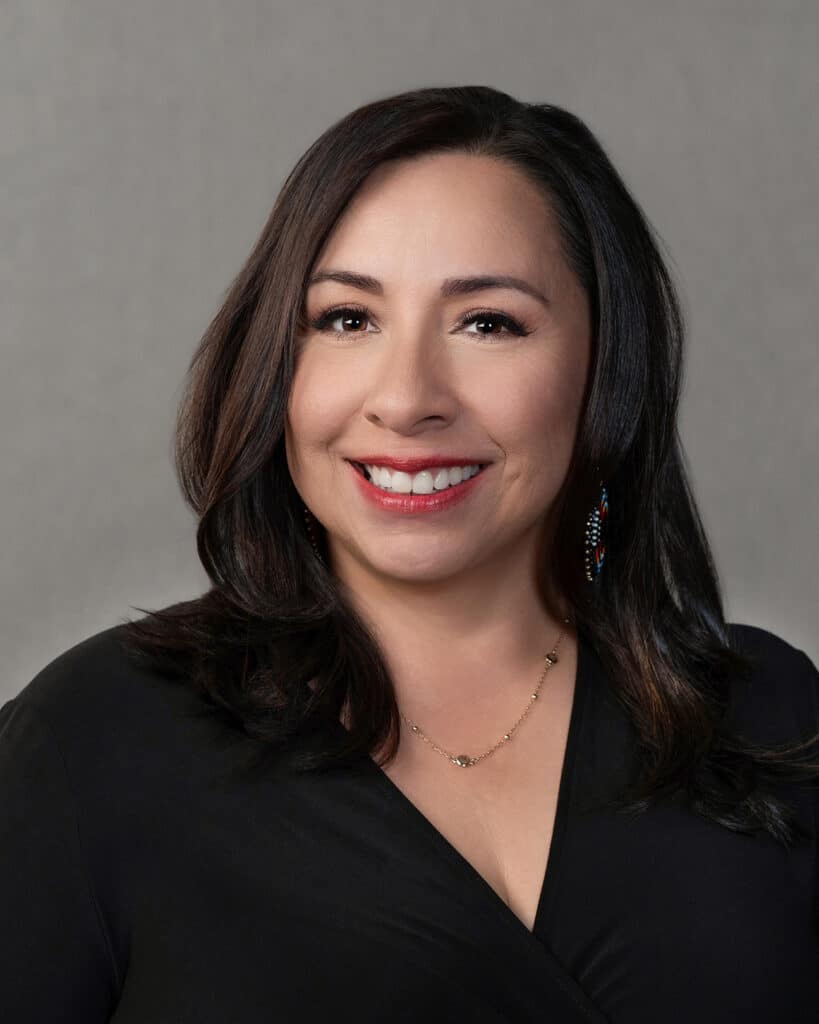
The Utah legislator who backed that state’s bill — Rep. Angela Romero, who is Shoshone-Bannock and Latina — said she’ll be continuing her efforts to establish Utah’s ICWA law, and vows to reintroduce it next session. This is the second time the state failed to pass ICWA-related legislation.
“For me, this was personal,” Romero said in an interview after the bill failed. “It’s about bringing wholeness back to people, so our cultures don’t die and our communities are able to pass it on to future generations.”
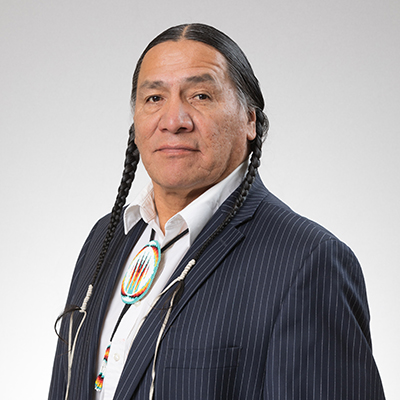
Montana’s ICWA law (MICWA), which passed in 2023, has a sunset provision and will expire this year. But a bill now headed to the governor’s desk would ensure its future.
“Indian children deserve to grow up connected to their families, communities, and cultural heritage,” state Rep. Jonathan Windy Boy, of the Chippewa Cree Tribe, said in a press release. “However, the impact of this law extends beyond Indian Country. Everyone comes from culture. MICWA sets a gold standard for all Montana children.”