
A 4-year-old law requires that schools assess children being raised in government custody.
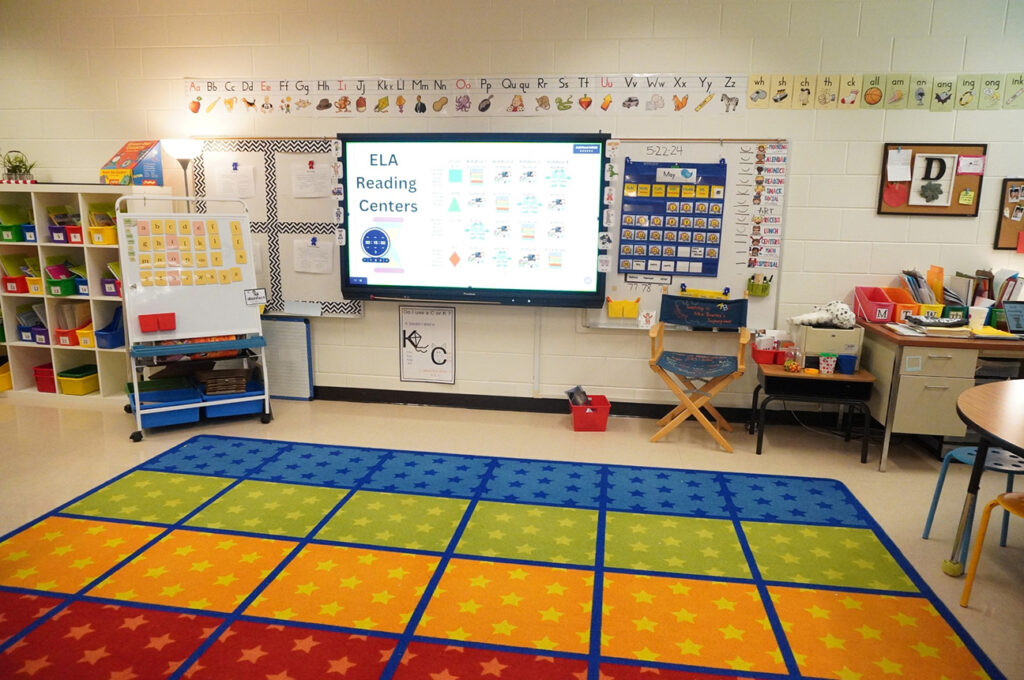
In 2020, Georgia passed a law ensuring that school kids living in foster care would get extra care and attention from teachers and supporting staff. Each student would be assessed for trauma they may be experiencing, and its potential impacts.
The bill was enacted the following year, and since then, several school districts around the state have begun to identify students in foster care, conduct “trauma assessments” and create plans to help them thrive in their classrooms. The school districts bring together social workers, counselors and administrators, who ensure the children are connected to extra services they may need in addition to special education.
“The heart behind it is these are our most vulnerable in society,” said Jennifer Shinpoch, an adoptive mom who says she helped get the law passed and heads the Fostering Impact advocacy group. “We should do our very best to make sure that they have educational support so that they can be successful and heal from their trauma instead of education exacerbating the trauma.”
A full picture of how many of the state’s 180 school districts carry out these assessments remains unclear. The Imprint reached out to 15 districts, but only three responded. State education officials did not respond to multiple requests for information.
Denise Revels, director of wraparound and student support services for Dekalb County School District, described “a learning curve” for districts launching the new assessments, in large part “because it was something new.”
School officials in the Atlanta metropolitan area district said they began conducting the school assessments within the past two years for the roughly 268 enrolled students who are in foster care.
“Now that we know who they are, we’re able to wrap our arms around them in a different way to provide a higher level of support to them,” Revels said, “and to make sure none of those students are falling through the cracks.”
Children in foster care come to school carrying the aftermath of abuse and neglect, as well as the fear, uncertainty and upheaval of life uprooted from home. Separation from family brings its own set of traumas, made more acute by a lack of stability.
This is not news to anyone in the child welfare field. A 2017 article published in the Journal of At-Risk Issues calls for a “trauma-informed approach” to education for foster youth, who are placed in special education about half of the time, researchers have found.
“Now that we know who they are, we’re able to wrap our arms around them in a different way to provide a higher level of support to them.”
— Denise Revels, Dekalb County School District
“Foster children attend school at a developmental disadvantage compared to peers from homes where adequate and sustained attachment is consistently provided,” authors Anna Berardi and Brenda M. Morton stated. “Anxiety management, capacity to focus and comprehend new concepts, and resilience in the face of daily challenges to one’s sense of cognitive, social, and emotional competency can easily be impaired.”
The vulnerabilities, the authors continued, are often expressed in school through challenges with behavioral and emotional self-regulation, academic functioning, and physical ailments and illness related to chronic stress-induced compromised immune systems. The key to their success, they added, was trained, knowledgeable school staff who know how to respond to children who have experienced trauma, helping to make them feel comfortable and secure in the classroom.
Obstacles include foster youths’ frequent moves — which typically also mean a change of schools — and higher-than-average suspension and expulsion rates.
Georgia’s legislation recognizes these challenges. Georgia House Bill 855 mandates that public schools promptly assess students for potential trauma and its effects on their education.
This foster-youth specific requirement appears to be a rarity.
In Michigan, a new policy requires that every child be screened for educational needs within 30 days of entering foster care, although they are not assessed for trauma. And an Arkansas law enables child welfare workers to notify school counselors if they believe a child has experienced a traumatic event. States including Ohio, Texas and Oregon provide guidance and legislation mandating trauma-informed approaches in schools, but do not single out children raised in government custody.
Keri Richmond, 30, a former foster youth who has worked in child welfare policy, said the Georgia bill is great in theory. But she added that limited funding could strain a school district’s ability to comply. She also said there should be guardrails to protect the privacy of children.
“This is a potential model for national adoption,” Richmond said. “Depending on how it goes in Georgia, it could encourage states, and having a national standard could help improve outcomes for young people in foster care across the country.”
“I always try to keep in mind that these kids aren’t just carrying the systemic trauma that comes from the foster care system. They’re carrying the trauma from whatever placed them to begin with.”
— Christian Bell, former foster youth
In Georgia, within 30 days of a foster youth enrolling in school or an enrolled student entering foster care, schools must receive consent from legal guardians and launch an “educational impact screener” — a set of questions designed to identify any needs a student may have, and how well the child gets along with the peers and adults in their lives.
Once the screening is completed, a team of administrators, social workers, teachers and case managers must then create and review a “trauma-informed education support plan.” The plan takes into consideration any diagnoses, known or suspected traumas or triggers, the number of foster homes and placements a child has been moved through, how the student feels about school.
A spokesperson for Gwinnett County Public Schools said in an emailed response that the about 300 enrolled students in their district in foster care “have benefitted from this process, as school staff have become more familiar with students’ style of learning and what interactions and redirection does or does not work well for the student, and an increased sensitivity to the student’s triggers.”
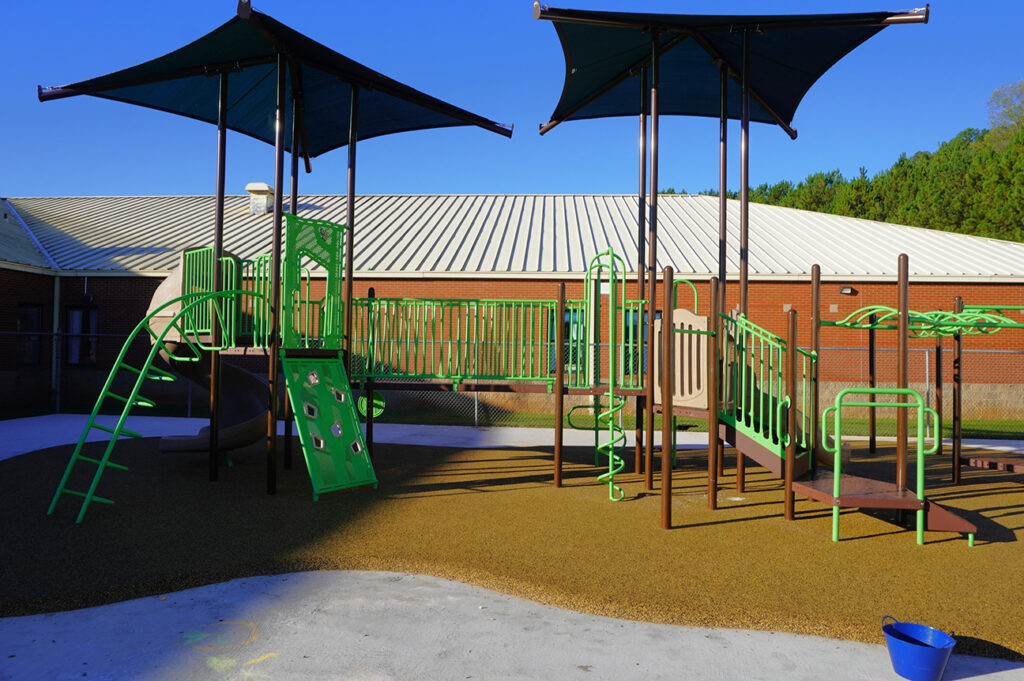
Another county in metro Atlanta, Cherokee County, also quickly incorporated the 2021 requirement to assess foster youth in its school system, which has approximately 185 eligible students enrolled.
Debra Murdock, chief school leadership officer for Cherokee County School District said their district is not only in compliance with the legislation, but also provides additional services to support students such as mentorship programs, scholarships, special lunches with counselors and professional development for staff.
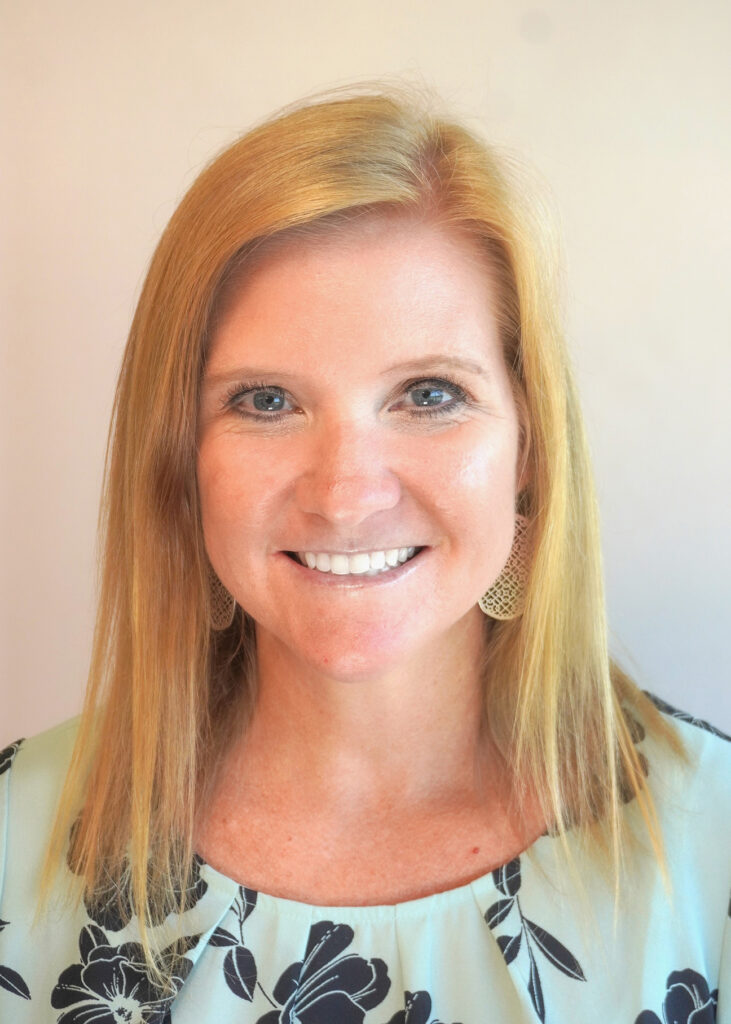
Tia Bryller, the district’s director of school support, said the bill is about more than just documentation or assessments. Eliminating barriers so that students can be happy, healthy and successful is the point.
“While they’re going through a lot of personal struggles, how can we make them feel like a part of our family — like they belong with us?” Bryller said.
Christian Bell, 31, is a former Georgia foster youth who is currently working as an intern for a U.S. senator from Oklahoma. Bell lived in foster care from the ages of 2 through 6 before being reunified with his parents.
“Growing up, I had the trauma from the system and from my foster family that had grown to be deep-seated that was never addressed,” Bell said. “I wasn’t in the system long term, but long enough to have had an impact made on me.”
He said the assessments now being done in Georgia schools could have helped him when he was a student. But he stressed the importance of proper training for school staff on how to address the needs of these students, and how to protect their privacy.

Bell said he could have benefited if someone had “actually been there and asked and realized that I was in the foster care system, because for the longest time I was ashamed of it,” Bell said. “I didn’t have the support of the teachers that I needed; I didn’t have anyone asking if I was OK.”
He said the new state requirement is a “step in the right direction,” but it needs to be accompanied by robust mental health services.
“I always try to keep in mind that these kids aren’t just carrying the systemic trauma that comes from the foster care system,” Bell said. “They’re carrying the trauma from whatever placed them to begin with. So that could have been domestic violence, that could have been drug-affected home lives. It could have been everything to have these kids placed in the system and to be having to live with and deal with that trauma.”
Shinpoch, who advocated for this legislation, said her push for the assessments in schools statewide emerged in part from personal experience after one of her adopted sons began to develop behavioral issues. It was hard for her to get him the support he needed as he entered preschool, but she quickly learned she was not alone.
“A lot of people were reaching out to me saying that they could not get services for their children who were in foster care in an educational setting,” she said. “It was really challenging to get the educators to recognize that the behavior issues were linked to the trauma and not just these kids being bad kids.”
Deneen Owen-Robinson, a social worker for Dekalb County School District, said conducting the assessments has helped her better identify foster children’s specific needs.
“We learned exactly where the child came from and then how does this impact their ability to connect to the education — whether emotionally, physically or mentally,” Owen-Robinson said. “There might be some delays academically because some of those kids haven’t been to school in a while because of the placements.” Then, she said, the question for educators becomes: “How can we reconnect them to what’s important?”
BEFORE YOU GO… If you learned something from this article, pay it forward and contribute to The Imprint. Our work is funded by readers like you who are committed to unbiased journalism that works for you, not for the algorithms.