
Whitney Gilliard had just wrapped up her weekend Walmart run when her cell phone rang. On the other end of the line a young woman sobbed: There had been a minor car accident, she was facing down a handful of police officers and she was scared.
Gilliard turned her Jeep around. “I’ll be right there,” she said to the woman, a resident in Gilliard’s independent living program for foster youth aged 18 to 21.
It was the type of thing she’s used to doing without thinking. For the young people under her care in Pooler, Georgia, Gilliard has decided that she doesn’t want to just be the person who runs their housing program. She’s also a self-appointed first responder in times of crises — a parent, of sorts.
“She didn’t ask for me to be there,” said the CEO of the nonprofit, Gilliard and Company. “But what would I do if that was my son? I would show up. And I think about that a lot, like, what would my parents do for me?”
It is not a question Gilliard reflects on lightly. Her residents, young adults in extended foster care, have endured trauma, upheaval and uncertainty. Gilliard understands what they’ve been through because she is one of them — she entered foster care at 14.
The nonprofit she founded in 2018 serves as a waystation to adulthood where those who grew up like her can find safe housing, life skills training, counseling and more before their next phase in life: supporting themselves and living on their own.
Having people in their lives they can count on is a right these vulnerable youth deserve, Gilliard said. And so as soon as a new resident moves in, she gives them her cell phone number. She lets them know she will take their calls regardless of the hour or reason, and she has — for everything from a midnight fight at the apartment complex to a suicide attempt that had her following the ambulance to the hospital.
The calls come frequently enough that Gilliard, a single mother, has developed a routine with her own 10-year-old son. If she wakes him in the middle of the night, he knows to grab his blankie and favorite stuffie, slide on his Crocs and hop in the car. Some nights, local police officers have waited with him outside the lakefront apartment complex where her clients live while she handles the crisis inside. The officers allow her the chance to de-escalate a situation that might otherwise require them to intervene.
At just 31, Gilliard isn’t much older than those in her care. But as a former foster youth with a Mt. Everest of trauma in her rear view, her commitment to changing the experience of teens and young adults in foster care is unshakeable.
And if you really want to change their lives, she says, “you have to lean in.”

Ever-polished and standing less than 5 feet tall, Gilliard’s diminutive size and easy smile camouflage the hyper-focused powerhouse within. She was 23 when she launched Gilliard and Company, after getting licensed with the state of Georgia to serve young adults exiting foster care — only two years after she had done so herself.
In Georgia, roughly 700 youth age out of foster care each year, a transition that can be especially fraught for those lacking family support. Often, these teens and young adults have nowhere to go. They experience higher rates of homelessness and suicide than their non-foster peers.
“We originally walked into this saying that we’re going to provide housing, we’re going to make sure young people have all the life skills, the framework to be able to be successful,” Gilliard said. “Quickly we realized it’s more than just housing. We’re now talking about equity.”
Five residents are currently housed in apartments rented by the nonprofit, though the program has the capacity to take in 16. Sixteen youths have gone through the program since 2018. Keeping the numbers small is key to giving each resident the dedicated attention they deserve, Gilliard said.
Participants are referred by the state Division of Family and Children Services. The nonprofit also reaches out to local group homes to identify teens about to age out. Residents must be working or studying full time to be in Gilliard’s program, in keeping with state laws governing extended foster care — a voluntary program providing support to foster youth until they turn 21.
From the moment they come through the nonprofit’s doors, “Ms. Whitney,” as they call her, makes them feel like family, said former resident Destiny Franzen.
Residents live as roommates in furnished two-bedroom, two-bathroom apartments complete with gourmet kitchens and in-unit laundry machines. The complex includes floating edge pools, a fitness center and a game lounge. Gilliard knows that the housing she provides is much nicer than where youth aging out of foster care typically wind up. Making sure her clients get to enjoy beautiful surroundings and a safe walkable area of town filled with families was intentional on her part.
“We cannot stay marginalized,’’ she said. The amenities and surroundings are, “all the things that I would like for our young people to want for themselves,’’ she said.
But securing this type of housing took work, she said. Initially, many apartment managers, concerned about renting foster youths their first apartments, turned her away.
“It took firm negotiations about communication, advocating for our youth,” she said. “While the non-discriminatory laws protect other residents, it doesn’t stop the stigma of ‘foster care.’”
Gilliard & Company covers the clients’ rent and utilities with a daily $130 stipend the state provides for each youth in the program. Each resident also receives a $300 grocery monthly allowance. Donors help provide youth with necessities: Dishes, towels, bedding, work uniforms for new jobs and even medical equipment, like the sharps containers needed by one young diabetic woman. Fundraising through events like casino nights makes up the rest of their revenue, which was $462,000 in 2021, according to the most recent tax documents available.
Franzen said Gilliard and Company’s program struck a good balance of offering support and teaching independence.
“We got to feel the real world in our own space,” said Franzen, a resident from 2020 to 2022. “They provided housing for us and we would go to work, learn how to keep everything clean and tidy, and learn how to manage things when they went wrong in our apartments, whether it was how to clean out our garbage disposal or what to do if we had a leak in our apartment.”
“I feel like G&Co. prepared me for the real world without shielding me to all the cons of real life,” she added.
A 20-minute walk from the housing complex is the non-profit’s headquarters where residents meet weekly with a case manager to learn about balancing a budget, cooking healthy meals, avoiding toxic relationships and other life skills. They get help with college and job applications and accessing therapy. There are planned social gatherings like paintball outings.
Each resident also gets what Gilliard considers “the most critical part’’ of the program — a “permanency mentor’’ who pledges to be there for birthdays and holidays, and to offer advice about jobs or managing daily life, even after they leave the program.
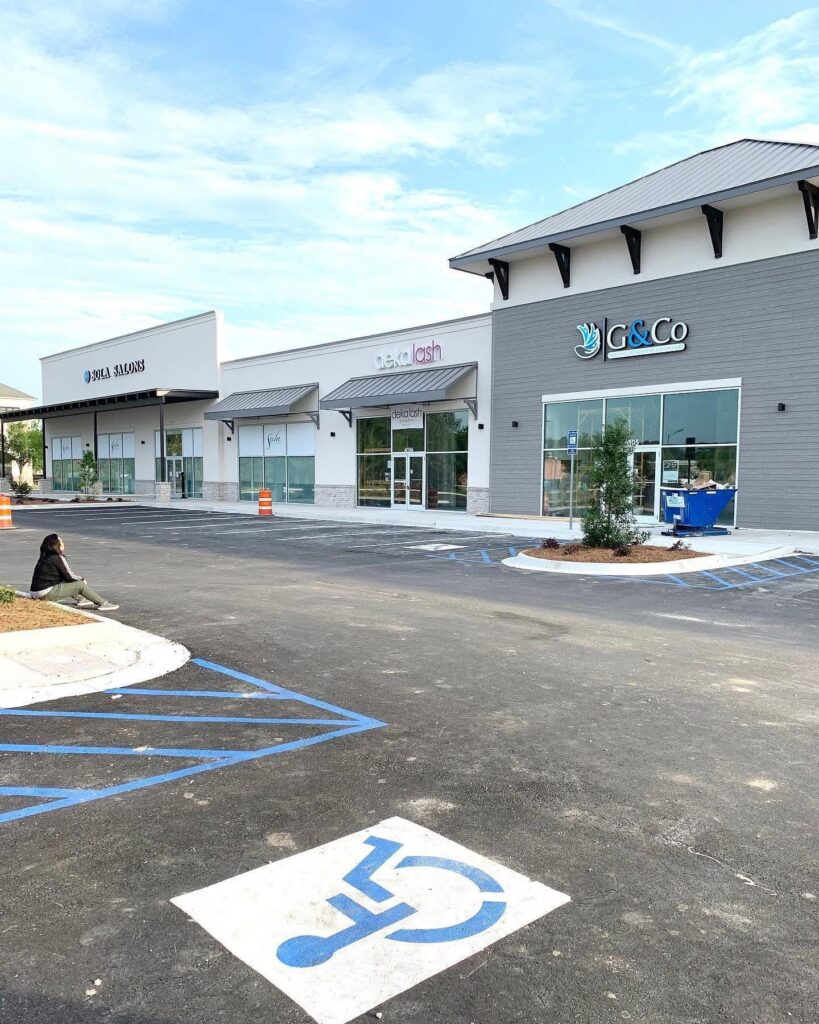
When serious problems arise, the work Gilliard and her staff do reaches beyond their office walls. They have advocated on residents’ behalf with law enforcement, made sure police reports have been filed after domestic violence incidents and checked on the status of rape kits waiting to be tested. Recently, the Georgia Bar Association awarded the nonprofit a $25,000 grant to support such justice-related assistance.
Tom Rawlings, former director of Georgia’s Division of Family and Children Services, serves as a special adviser to the board and said Gilliard’s lived experience allows her to see potential in teens with trauma-driven behaviors that often leave them alienated.
“Sometimes other providers say, ‘Oh, that young person’s too difficult,’ and won’t take them in,” said Rawlings, who helps the nonprofit navigate the bureaucracy that comes with running a social services program. But Gilliard, he said, “knows what these young people have gone through, and she knows that if she takes the time to really work with them, they can definitely succeed.”
Along with Gilliard’s, the residents are also given board members’ phone numbers and are encouraged to call them, too. Their opinions — good and bad — help shape policies and shift approaches, Gilliard said. For instance, after residents reported they were uncomfortable inviting friends over because of a requirement that guests show IDs, the rule was dropped.
The whole point, Gilliard says, is to imbue the young adults with a sense of agency. She knows what it feels like to not have a say in what happens to you. She understands not being in control of anything in your life.
From an early age, Gilliard said, her own parents were unable or unwilling to care for her. So she spent her earliest years living with her grandparents in Washington, D.C. She was 5 years old when a decade of sexual abuse began at the hands of a man who rented her family’s basement.
At 14, she ran away. A whirlwind of traumatic events followed, including a 6-month stint in juvenile detention and her placement in foster care. She spent time in psychiatric hospitals, residential treatment centers and group homes — 18 placements in all — in part because the child welfare system lacked suitable foster families, she said.
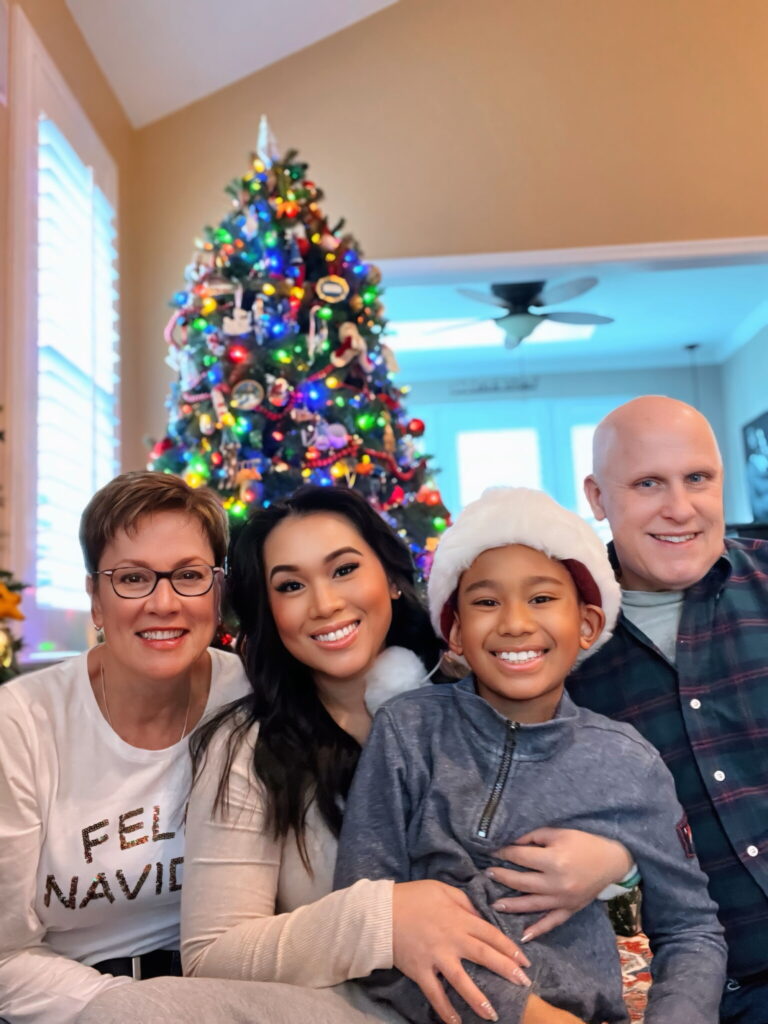
At 17, foster parents Bill and Rosemary Wright took Gillard in. Trusting them was a struggle at first. But the couple remained calm and consistent, no matter how badly Gilliard acted out, and eventually, she said, their steadiness conveyed this message to her: “I love you more than your anger. I love you more than your circumstances. I love you more than the hate that you want to spew out. I love you more than any of that, and you’re always forgiven.’’
“That’s the kind of love my parents gave me,” she said, adding that the Wrights, her “forever family,’’ have remained in her life and are doting grandparents to her son.
“I don’t know how I got blessed with such good foster parents,” she said. “I know that’s not the case for everyone, especially foster kids who have experienced the juvenile justice system and institutionalization.”
That stability launched Gilliard from their home to college and then onto policy and advocacy work, including a stint as a project manager for Foster Care Alumni of America, a national advocacy organization.
Still, a desire to work directly with foster youth tugged hard at Gilliard. So she decided to find her way to them by combining her juvenile justice and child welfare experiences with her advocacy know-how and the Wrights’ parenting lessons. Following a move to Georgia, the nonprofit was born.
“I understand the urgency, I understand the frustration,” she said. “I understand all the perspectives of it.”
Her backstory is a connection point with clients. She shares it, briefly, when they enter the program, “so they know that we have their best interests in mind.’’
But later, during times when they most need to hear that someone understands them, she’ll remind them of that bond.
“I share it when they feel alone,’’ she said, “and they know they can share anything with me.’’
The only thing that competes with Gilliard’s drive to do right by the youth under her care is her commitment to being present for her own child. Rather than trying to balance those two worlds separately, Gilliard knits her family’s life into her job.
Her son, who attends school virtually, logs into class from a laptop at the Gilliard and Company office. Her staff step in to help like good aunties and uncles — checking his schoolwork, making sure he has a snack. Over the summer, Gilliard made her son a “junior intern” badge and gave him a few office tasks so that he’d feel involved in her mission.
And while her dual “mom’’ role sometimes has her and her son stepping out for late-night house calls, most days they make it home in time for Gilliard to make a home-cooked meal. Included in her dinner rotation are Singapore-style noodles with shrimp and bean sprouts or Vietnamese caramelized pork belly served with a jammy egg — dishes that draw heavily from Asian flavors she remembers from her early years with her biological Chinese immigrant family.
But the other young people in her life — the ones just a short drive and a phone call away — are always on her mind. And they know it.
“Even after leaving I can still call,’’ said Franzen, who now lives in Wilmington, North Carolina. “Whatever it is I need, anything you could think of, they are there to help no matter what.”