
Advocates and foster youth leaders pleaded with lawmakers to reinstate a hard-earned exemption for their impoverished peers, who can experience major adversity in early adulthood

Update July 4, 2025: Donald Trump signed his landmark legislative package that includes new SNAP work reporting requirements for former foster youth, and parents with children over the age of 13.
Republicans in Congress enacting President Donald Trump’s agenda are on the verge of approving a sweeping tax-and-spending cuts package that creates a new, higher hurdle to receive food stamps for tens of thousands of former foster youth.
Under the provision, those as young as 18 and living in poverty would have to prove they were employed, training or enrolled in school to be eligible for more than three months on the Supplemental Nutrition Assistance Program, known as SNAP.
In interviews late tonight, three former foster youth who are leading national voices for their peers — two of whom once relied on SNAP benefits to survive life after foster care — slammed the rollback, and demanded Congress reinstate the protection.

“If the government is our ‘parent’ when we age out of care, shouldn’t the government make this transition into adulthood as smooth as possible?” said Zoë Jones-Walton, 27, a graduate student and policy advocate in Texas. “It is vital that this exemption remains intact so young people are able to thrive and be able to support themselves when they have nowhere else to turn to, which is often the case.”
In a recent annual count, nearly 20,000 young people aged out of foster care some time after their 18th birthday, federal data show, although it’s unclear how many could be affected by the change.
Trump and Republicans have argued the new reporting requirements for government benefits are necessary to eliminate waste and fraud in taxpayer spending, and to preserve safety net programs for the neediest.
In a statement sent to The Imprint late tonight, a Republican leader on foster care policy issues in the U.S. House said he voted to protect the exemption for veterans and foster youth in an earlier version of the bill being debated in the House. But ultimately, he added, the legislative package was worth the cost.
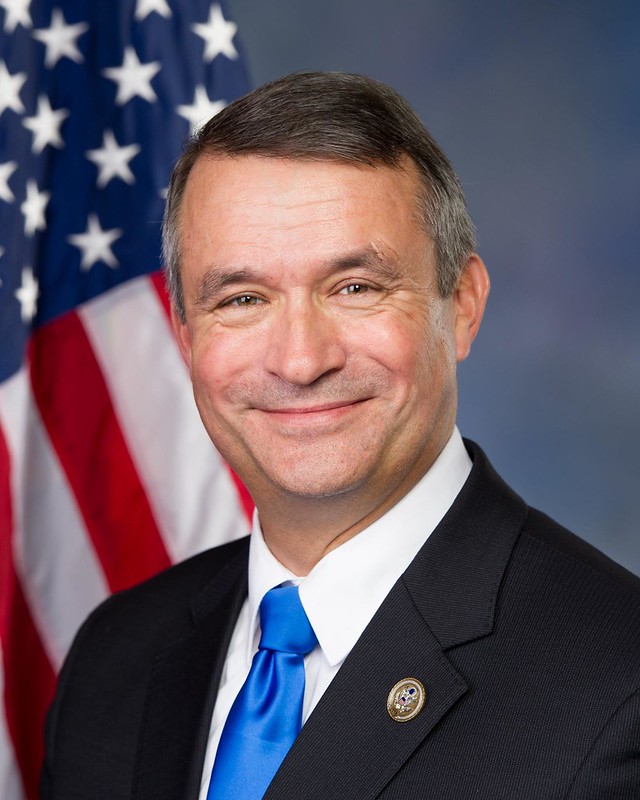
“The work requirements are set at a low bar. It mandates HEALTHY ADULTS either work, look for work, volunteer or take classes 20 hours a week,” said Rep. Don Bacon of Nebraska in an emailed statement. “The benefits of the bill outweigh any concerns here. Folks will pay 20% less in taxes, overtime pay tax-free, tips tax-free and child tax credit is doubled. A no vote does away with all this.”
Bacon, who is one of the co-chairs of the House foster care caucus and co-sponsor of many bipartisan bills to support foster youth, announced his retirement from Congress two days ago.
If approved, foster youth who leave the system without a permanent home will need to report they’ve participated in some combination of 80 hours per month of work, paid or unpaid, training or volunteering. Those who are pregnant and disabled would remain exempt. These same rules would apply to all able-bodied adults without dependents under age 65 who remain on the program more than three out of 36 consecutive months.
SNAP now serves 42 million Americans and is reserved for those earning less than the federal poverty line, or $15,060 for one person. They are eligible to receive a maximum of $292 on a special debit card each month.
Work reporting rules for government benefits are popular with the public, but there’s little evidence such policies have pushed people into jobs when applied to SNAP. Instead, many analysts have found, eligible workers will lose access to the food benefit when facing extra paperwork burdens. If the Republican-led legislation is signed into law, the Congressional Budget Office has estimated 2.9 million Americans, including 270,000 veterans, homeless people and former foster youth, could lose SNAP benefits.
“Youth can’t heal, grow or thrive if they’re worried about where their next meal will come from.”
Sixto Cancel, founder & CEO of Think of US
Under a bipartisan agreement in 2023, those groups had been exempted from new, expanded reporting requirements. At the time, Republicans and Democrats in Congress hailed the breakthrough.
“We are failing many of these kids,” Indiana Republican Rep. Erin Houchin told NPR. Providing “support to them as they move into adulthood is the least we can do.”
But some Trump-aligned conservative groups have argued the exemptions promoted dependency on government. And this month, the so-called “big, beautiful bill” cementing President Trump’s agenda into law will remove that protection.
The broader legislative package approved by the Senate Tuesday night includes $4.4 trillion in tax cuts and immigration and defense spending, partly offset by more than $1 trillion in cuts to health care, nutrition assistance, college aid and renewable energy programs. The House is now debating that bill in the culmination of a contentious, monthslong negotiation.
Advocates say young adults leaving the child welfare system are more than deserving of assistance when they land abruptly on their own in the world. As a group they face high rates of joblessness, housing instability, academic difficulties and early parenthood, yet recent federal surveys suggest fewer than one in five were able to access food assistance. Roughly half of the thousands of young people surveyed for the National Youth In Transition Database had at least part-time employment.
Sixto Cancel, leader of the influential Think of Us research and advocacy nonprofit who helped secure the 2023 exemption, joined Jones-Walton in demanding Congress to reconsider.
“At 18, most kids worry about college — foster youth who age out too often worry about their next meal,” said Cancel, who grew up in foster care. “We have a special responsibility to support young people aging out of care, youth who have already endured immense hardship and whom the system has failed at every turn.”
Adding to their burden by limiting access to food stamps “undermines their path to stability,” he added. “Youth can’t heal, grow or thrive if they’re worried about where their next meal will come from.”
Rebekka Behr, a 27-year-old youth advocate and state employee in Florida, said she was denied food stamps until a caseworker from her Palm Beach support agency for older foster youth intervened to explain to staff at a food aid program for low-income people that she had special eligibility due to her foster care status. In a Wednesday night interview, Behr implored Congress to reconsider the new paperwork obstacles to a population that can struggle with isolation and thin adult support networks.
“I was denied because not everybody was educated,” she said. “I was having a hard time trying to figure out how to pay my bills, let alone being able to put food on my table and be able to meet my needs at the end of the day. Having that helped me get to the point that I found a secure job.”
Behr added that she was proud to leave public assistance after getting further into her career.
“The whole point is to help us bridge that time,” she said. “One of my biggest goals in life was to not be on governmental assistance and to be a fully contributing member of society.”
Child welfare has long been a bipartisan cause in Congress. But in a statement released late tonight, a group of House Democrats requested their Republican colleagues to reconsider their plan to roll back the existing exemption.
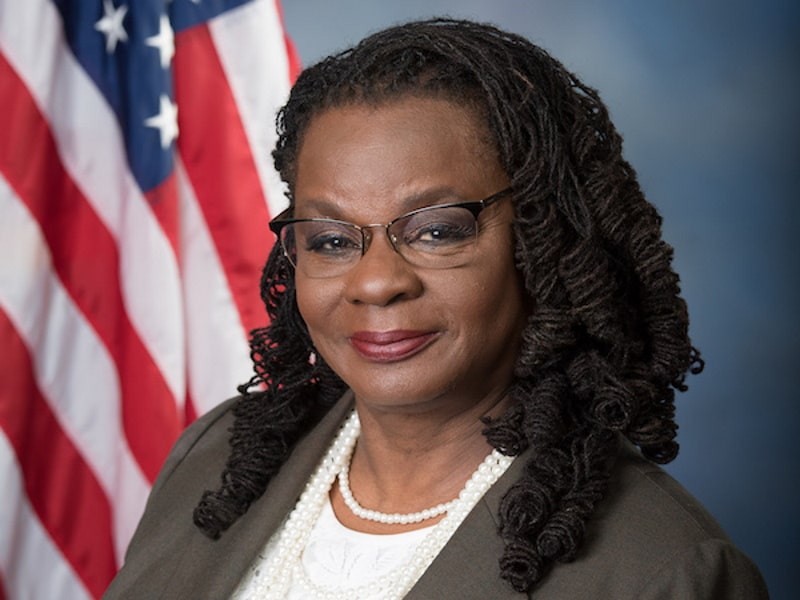
“I oppose every cut made to this valuable program in this bill and am particularly galled by the effort to single out veterans, unhoused individuals, and foster youth aging out of foster care — a group that a recent House Ways and Means Committee only confirmed faces significant challenges,” said Rep. Gwen Moore of Wisconsin. “I am proud to have led this effort to reject one of the many problematic provisions in this deeply flawed legislation.”
Have you relied on SNAP to ease your path out of foster care and into adulthood? Email mfitzgerald@imprintnews.org