Bringing Treatment Foster Care to Kin

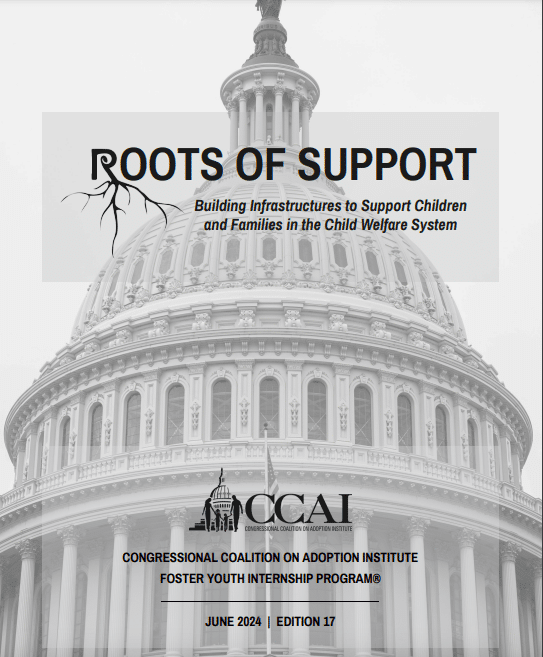
The Imprint is highlighting each of the policy recommendations made this year by the participants of the Foster Youth Internship Program, a group of eight former foster youth who have completed congressional internships.
The annual program is overseen by the Congressional Coalition on Adoption Institute, a Washington, D.C.-based nonprofit that raises awareness about the needs of children without families. Each of the participants crafted a policy recommendation during their time in Washington, D.C.
Today we highlight the recommendation from Leah Adams, a recent graduate from Arizona State University.
The Proposal
Adams argues for greater federal support for the promotion of treatment foster care (TFC), also known as therapeutic foster care, among kinship caregivers. This approach is a family-based program that provides intensive support for children with serious emotional, behavioral or medical needs.
This would be accomplished by requiring states to report to the federal government about plans for expanding treatment; establishment of a national training center on treatment foster care, and demonstration grants to help states develop more capacity to provide this care in kinship settings.
The Argument
While many child welfare systems have increased reliance on kin and lowered the use of congregate care, Adams writes, more youth could avoid group care and stay with family with the support of TFC. Offering this model in kinship settings will allow more children “with complex needs to safely be in a setting with those who know and love them rather than being placed in congregate care,” she argues.
In Their Own Words
“I entered care two months before my 18th birthday, facing a daunting decision: to leave behind the familiar or embrace an unknown environment. With a supportive network behind me, I navigated the next chapter of my life with guidance and encouragement.”
BEFORE YOU GO… If you learned something from this article, pay it forward and contribute to The Imprint. Our work is funded by readers like you who are committed to unbiased journalism that works for you, not for the algorithms.