
Parents with children in foster care must make repeated courthouse appearances, complete programs and classes, and prove to a judge that safety concerns in their homes have been addressed. But some mothers and fathers working to reunite their families face yet another hurdle: monthly payments to the state to cover the costs of the government’s care and custody.
In the past year, federal officials have taken steps to end the practice of charging parents after their children are removed from home — an often-fruitless effort to collect monthly child support payments.
Now, California has gone a step further, by relieving the debt owed by of tens of thousands of state residents. In a letter to county officials last month, the state wiped away up to $400 million in such debt, accrued over the past two decades.
Steven Eldred, the recently retired director of the Orange County Department of Child Support Services who has conducted thorough research on this controversial bill-collection process, called the state’s move “a leapfrog” moment.
“Taking this burden off the backs of these parents is a major assist to many, many poor Californians,” he said.
Catherine Ahern — a Sonoma County mom who reunified with her daughter last year after she spent three years in foster care — agreed. Ahern said the cost of child support payments can derail parents who have recently regained custody of their children, threatening a fragile reunification. The additional bills pile up on top of efforts to overcome addiction, live without abusive partners and find stable housing, she said.
“It’s just a heavy financial burden on our shoulders,” Ahern said. Paying these debts “only increases the chances of parents failing again.”
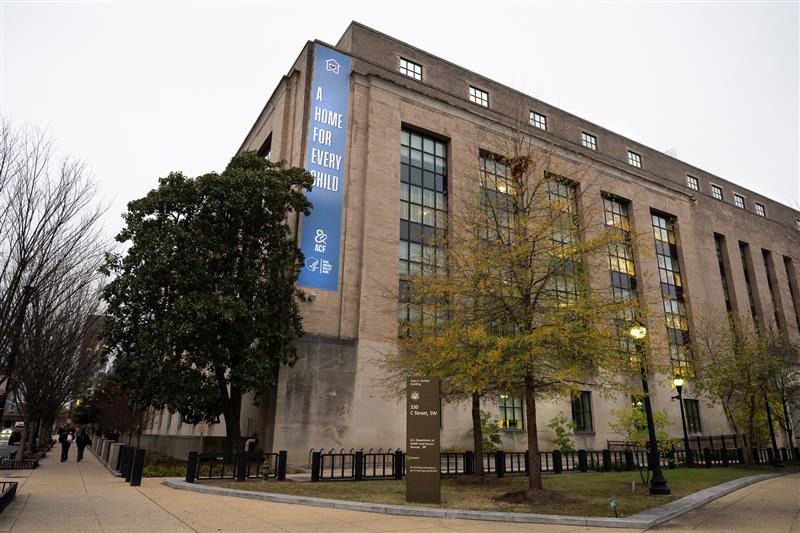
Until recently, federal law required state child welfare agencies — when “appropriate” — to collect payments from parents with kids in foster care, to reimburse the cost of government custody. But in July 2022, the Administration for Children and Families issued new guidance urging local agencies not to pursue such payments. The directive described the practice as impeding reunification efforts, and extending the length of time a child spends in out-of-home care. The policy update noted that billing parents for foster care placements should only be required in “very rare circumstances.”
The shift in California isn’t entirely altruistic. The policy change has been driven in large part due to taxpayer burden.
Parents asked to pay child support while their kids are in foster care are overwhelmingly impoverished. And as a result, California county officials have found, child support agencies typically spend more money pursuing parents for nonpayment, than they generally get back in return for those efforts.
In a letter to county child support officials dated Oct. 23, Child Support Services Deputy Director Justin Freitas said the decision to write off $400 million in debt was driven by the new federal guidance, the cost of collections and the harmful impact on vulnerable families.
“Historical data shows such referrals have a disproportionate impact on families living in poverty and communities of color,” Freitas wrote.
Going forward, child support workers in California must review all current debts to determine if they are “uncollectable.” The only exception is when a parent’s annual income is greater than $100,000 or the equivalent of 400% of the federal poverty level, and a referral to a county child support agency is not deemed to be a barrier to reunification.
California joins Washington as the only states that have made such a change.
“We know that most parents are already facing financial hardships when they come into contact with the child welfare system,” Washington Department of Children, Youth, and Families Secretary Ross Hunter stated in a September 2022 blog post. “This old and misguided policy only deepened that hardship and made it harder for parents to get their kids home.”
Other state practices vary greatly across the country. Texas extracts very little in child support payments from parents in foster care cases, while Georgia and Illinois collect millions of dollars each year. Still other states are examining the issue. Legislation similar to California’s has been introduced in New York.
California officials have spent the past two years addressing the issue. Similar to Washington’s move, in 2022, California Gov. Gavin Newsom signed a bill that also discourages the practice of billing parents with children in foster care if it is likely to pose a barrier to reunification. That has curtailed the practice of child support agencies opening up new cases against parents of children in foster care.
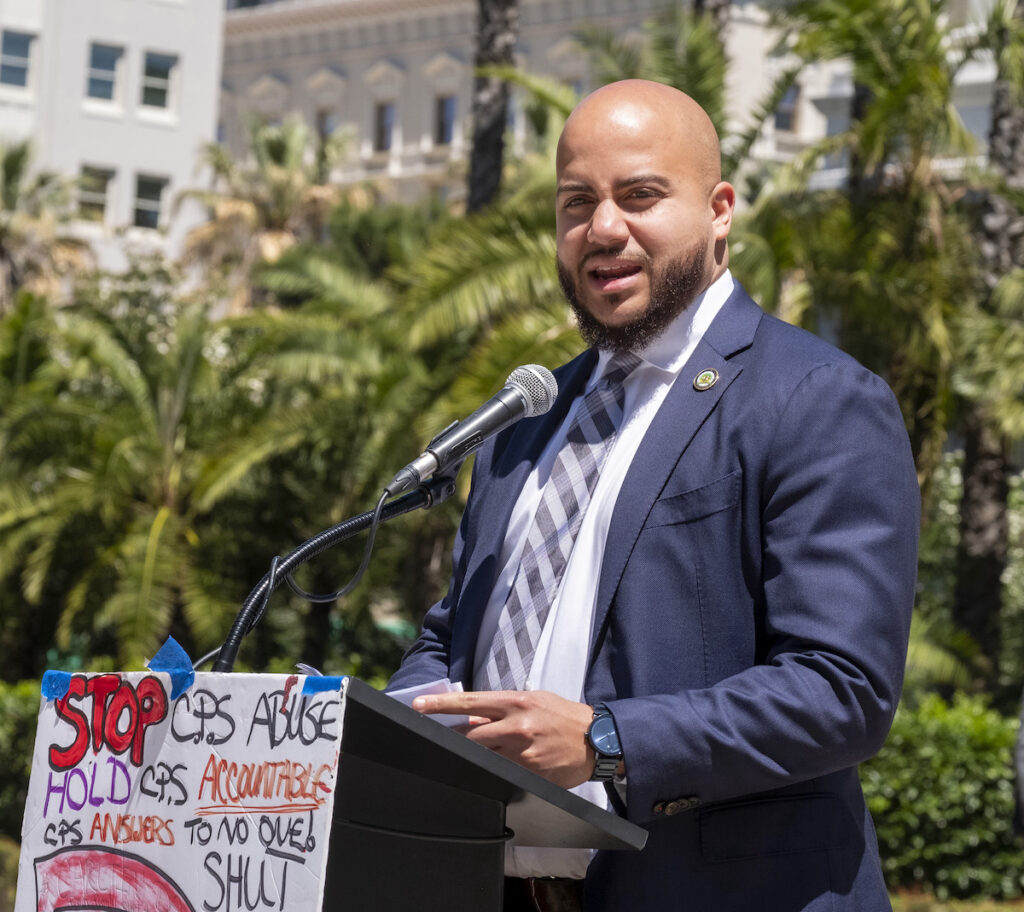
“It’s bad government, it exacerbates poverty, and it keeps families unnecessarily separated longer than they have to,” the bill’s author, Los Angeles Assemblymember Isaac Bryan said at a legislative hearing last year.
This year, Bryan went further by introducing Assembly Bill 1324, which aimed to clear away hundreds of millions of dollars in debts owed to the state. More than 40,000 parents still owe child support for periods of time when their children were taken from them — in some cases debts that are decades-old.
California data shows that parents forced to pay foster care costs are also more likely to be in deeper poverty than other households paying child support, with roughly half reporting income of less than $10,000 a year.
The Democratic Assemblymember informed other lawmakers that arrears owed by parents disproportionately fall on low-income people of color and harm credit scores, which in turn makes securing an apartment, a job or a car loan even more difficult. A failure to pay can also lead to suspended licenses, garnished wages or the withholding of income tax refunds.
“Parents carrying the weight of these debts — and the 10% interest these debts accrue — are kept in poverty, increasing the risk of foster care re-entry,” Bryan wrote in support of AB 1324.
The bill did not pass, as the California Legislature grappled with a financial shortfall. Instead, the state’s Department of Child Support Services made an administrative change that led to the same elimination of debts Bryan sought.
The policy shift corresponds with a growing body of evidence that the practice is ill-advised, causing more harm than good for children and their families.
A 2017 study published in the Children and Youth Services Review found that increasing parents’ child support payments by even $100 delayed reunification with their children by more than six months. Meanwhile, government agencies rarely get much back when they try to collect from these parents. A study released by the Orange County Department of Child Support Services in 2019 found that parents with children in foster care who owe child support experience far more difficulties than other households where child support is owed, and as a result, they had lower payment rates. For every dollar spent by local agencies to recoup the money, counties receive 27 cents in return, according to state officials.
Jill Duerr Berrick, a longtime scholar of child welfare who has scrutinized the issue, said child support enforcement policies are antithetical to the rehabilitative goals of the child welfare system.
“These bills are staggering and they just haunt these families for decades or even a lifetime,” Duerr Berrick said. “And there’s just not much that agencies get back in return.”
Children and families need nonprofit news.
Nonprofit news needs you.
Donate today to support The Imprint in 2024.