
Two members of Congress aim to combat homelessness and poverty among former foster youth through no-questions-asked cash payments — assistance they say the federal government owes to vulnerable young people whose lives can be filled with turbulence and uncertainty.
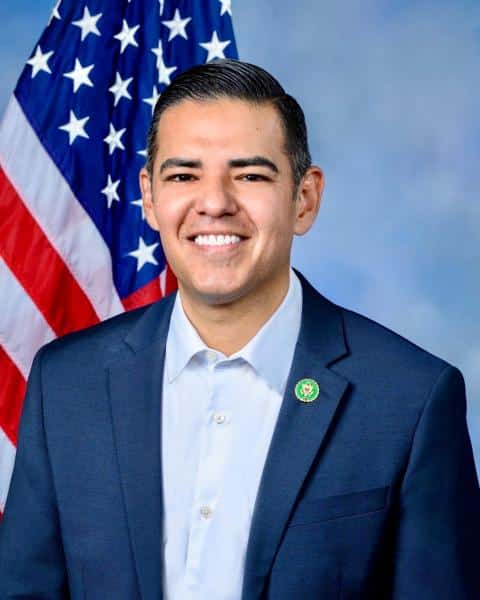
Reps. Ilhan Omar of Minnesota and Robert Garcia of California have introduced the Guaranteed Income for Foster Youth Act. The federal legislation would provide $1,000 a month to all foster youth and youth with disabilities who were in foster care after turning 14, as well as those who left the system after 16 years of age but have not yet turned 27. All eligible youth would be automatically enrolled upon turning 18, according to the early draft of the bill.
“Aging out of foster care can be an incredibly difficult and vulnerable time for youth,” Rep. Omar stated in a press release earlier this month. “Guaranteed basic income for emancipated foster youth recognizes this challenge and provides a critical lifeline when they need it most.”

Under the proposed legislation, the total number of payouts per person would not total more than $12,000 per year. Young adults could receive payments for a maximum of five years, and would be offered voluntary financial literacy education.
During his tenure as mayor of Long Beach, California, Rep. Garcia helped launch a universal basic income pilot program for his city. Last year, city officials there began issuing payments to 250 low-income families who qualified for the pilot program.
The new federal legislation was announced together with one of the earliest innovators of the universal basic income approach: former Stockton, California, mayor Michael Tubbs, who is now co-chair of a group known as Mayors for a Guaranteed Income.
One aim of the federal legislation is to combat homelessness among former foster youth — a population that is overrepresented among the nation’s young people who couch-hop or sleep in cars and on public transit.
The bill authors highlight an alarming statistic in describing the need for the federal act: More than one-fifth of former foster youth are homeless for at least a day in the first year they leave the system.
“Aging out of foster care can be an incredibly difficult and vulnerable time for youth. Guaranteed basic income for emancipated foster youth recognizes this challenge and provides a critical lifeline when they need it most.”
— Rep. Ilhan Omar
According to the National Foster Youth Institute, 50% of the national homeless population spent time in foster care. And in Minnesota, a recent report estimated that 13,300 children and youth through age 24 who are living on their own also experience homelessness.
A growing chorus of youth advocates and lawmakers at the local, state and national level say regular, no-questions-asked “Universal Basic Income” cash payments could prevent such dire outcomes for children raised in government custody. The proposals have had varied success.
Last March, Minnesota Gov. Tim Walz proposed monthly cash support for all 21-year-olds leaving foster care, providing it for the year after they leave the system. The proposal has not yet been approved and funded.
But in the nation’s most populous state, the approach has spread.
In 2022, California officials launched a $25 million guaranteed income pilot program that funds monthly payments ranging from $600 to $1,200 to a select number of low-income county residents who are aging out of foster care or are pregnant. Payments under the pilot program continued for 12 to 18 months, and its impact is under evaluation.
“It’s helped a lot, especially with having a place to stay,” basic-income recipient Veronica Vieyra of Santa Clara County said in an interview for The Imprint Weekly podcast. “A lot of stress was taken off my shoulders just knowing I’m getting help.”
Under Mayor Tubbs, Stockton was the first city in the nation to test the model and then study the results. A 2021 evaluation of the experiment found that universal basic income recipients were twice as likely as those in a control group to shift their employment from part-time to full-time. Participants who received $500 a month later reported that the financial stability allowed them to pursue higher career goals. The extra income also led to lower levels of stress and improved mental health, researchers found.
In announcing his new federal legislation, Rep. Garcia said he wants this opportunity for foster youth as well.
“There are major gaps in the federal foster care system,” he stated in a press release, “and we need to be building on the lessons of pilot programs like those in my home state.”