A loss of cultural ties and disrupted kinship networks cause adverse outcomes that follow Indigenous foster youth and adoptees into adulthood, according to newly published research.
The findings, revealed last month in the Child Abuse & Neglect Journal, suggest that Native youth involved in the child welfare system experience poorer family cohesion and psychological outcomes as young adults compared to those who never entered the system. The study was carried out over two decades by researchers from Yale University and the John Hopkins Center for Indigenous Health.
Specifically, Indigenous foster youth and adoptees reported feeling less satisfied with their family relationships as adults. They also reported lower rates of “flourishing,’’ which researchers measured by asking respondents to agree or disagree with statements such as “I lead a purposeful and meaningful life” and “I am optimistic about our future.”
The researchers said their findings underscore the need for child welfare reforms that recognize and support the critical connection within Indigenous communities between family wellness and culture, kinship community, language and traditions. Foster care and adoption weakens those protections, they said, leaving Native children vulnerable to additional trauma that reverberates through generations.

“A lot of social workers and judges don’t understand the culture around Indigenous people, which is more of an extended family, extended kinship, and isn’t nuclear,” said lead author Stefanie Gillson, who is Dakota Mdewakanton and a descendant of the Santee Sioux tribe. “It should really signal to individual social workers as well as social work education that Indigenous culture and family relations look different” from Western ideals regarding the concept of family.
The findings, which were part of a larger longitudinal study that followed 735 children, contribute to the limited child welfare research on the long-term effects of modern family separation in Indigenous communities. Of those 735 children interviewed, nearly 17% were identified as having had involvement with the system as children or adolescents.
Participants came from eight reservations in the Great Lakes region of the United States and in Canada. Indigenous youth are overrepresented in both countries’ child welfare systems.
Interviewers, who were from the same tribal communities as the youth, met annually with each young person and at least one caregiver over an eight-year period beginning in 2002. The interviewees’ average age was 11 years. Then, in 2017, the young people were interviewed as adults for an additional three years.
Gillson felt it was critical to place the study’s findings in the context of other historical policies that were uniquely disruptive and devastating for Indigenous families, such as Indian boarding schools and campaigns in the United States and Canada that promoted the adoption of Native children by white families.
The researchers’ conclusions were clear: “Child welfare involvement acts as a continuation of historical trauma.”
The study’s authors note various limitations to the research. Because it focused on a single Indigenous cultural group in one region of the U.S. and bordering Canada, the data may not apply to other North American Native groups or those who grew up in urban areas. And since the study was not originally designed with child welfare research in mind, questions asked of respondents did not allow for answers that offered contextual details, such as the reasons for family disruptions.
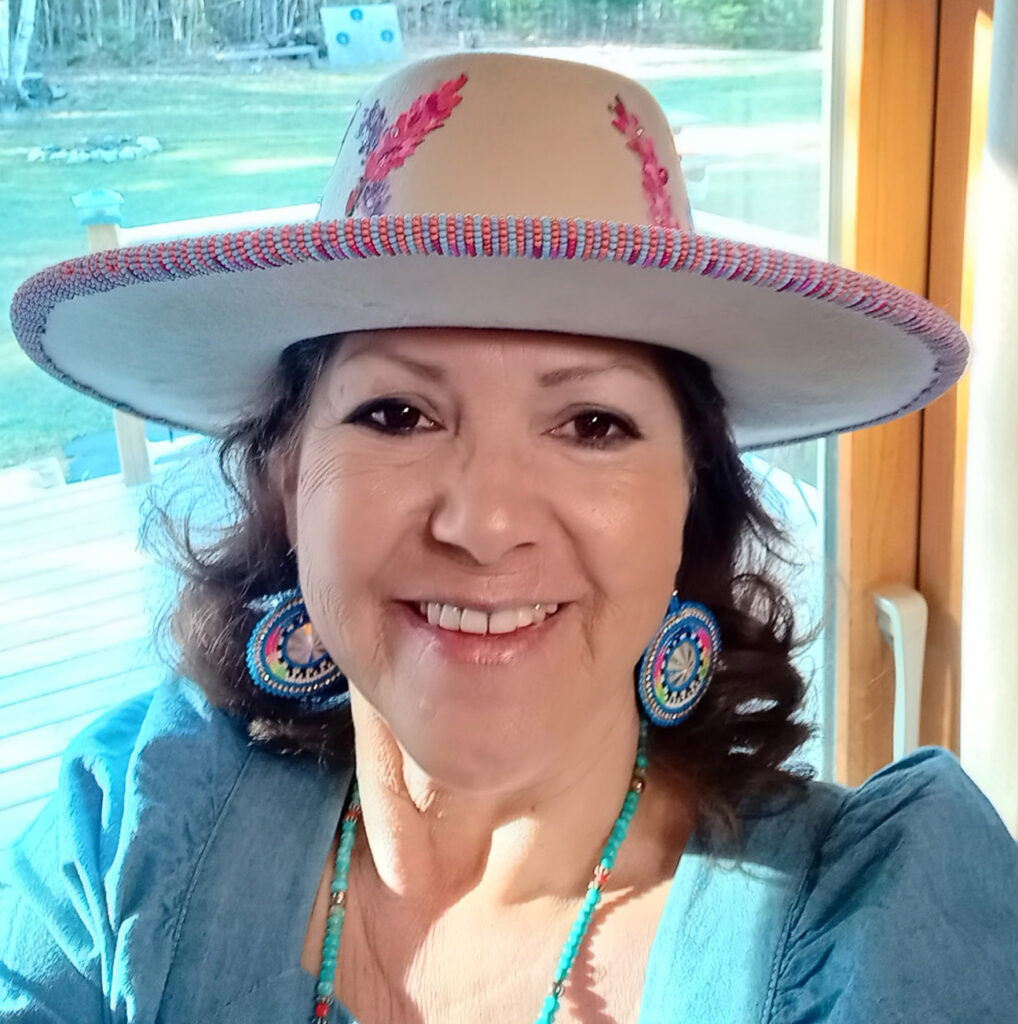
Linda Cobe, who was adopted in 1965, said the study’s findings resonated with her even though nearly 50 years separate her experience from those interviewed for the study.
“Being placed in a non-Native family, materialistically I didn’t want for anything because they were middle class and I came from poverty,” Cobe told The Imprint by phone. The 67-year-old is a Lac Vieux Desert Band of Lake Superior Chippewa tribal member.
“They always told me they loved me, provided a good home, yet they knew nothing about my culture. So I had a loss of identity.”
Other challenges to her well-being that affected her later in life included years of sexual abuse in her adoptive home, she said.
As an adult, Cobe said she felt disconnected from some of her biological siblings who she’d been separated from after her adoption. During her first marriage, she felt she couldn’t compare to someone from a “good, healthy background” and struggled to feel loved.She also felt a lack of purpose and meaning, she said.
“You feel like you don’t fit in anywhere in the non-Native world or your Native world,” Cobe said of Indigenous adoptees. “You need a good sense of self to flourish — if you don’t have a sense of identity, how can you flourish?”