
Lawsuit comes from foster parent denied because she was Catholic
A Catholic mother’s lawsuit alleging bedrock religious discrimination by South Carolina’s largest child-placement agency with the blessing of state and federal officials may proceed, a federal judge ruled this week, rejecting calls to throw out her case.
Aimee Maddonna had been volunteering at Miracle Hill Ministries for some time in hopes of finding a child to foster. But when she applied to be a foster parent, agency officials said she would no longer be allowed to volunteer, nor would she be considered as a potential foster parent, because she was not a member of a ministry-approved Protestant congregation.
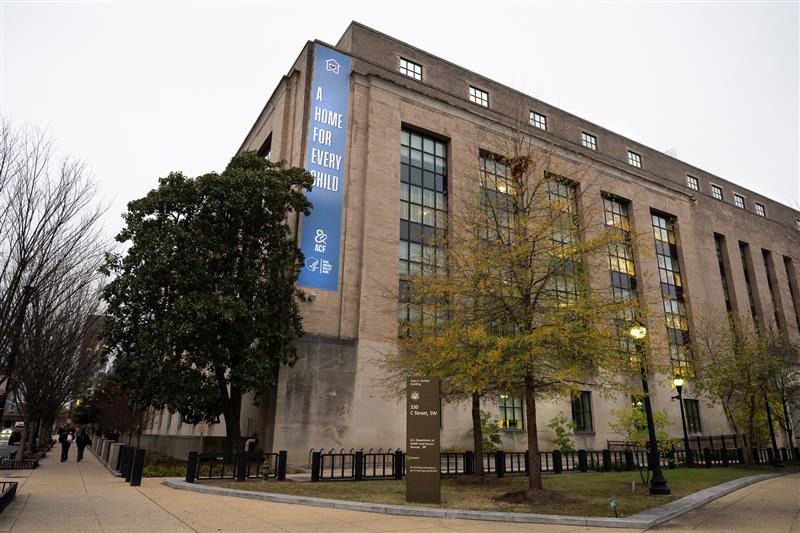
Maddonna sued the U.S. Department of Health and Human Services and Secretary Alex Azar; Gov. Henry McMaster (R); and the South Carolina Department of Social Services and its leader in February 2019, saying they violated the First Amendment of the Constitution by allowing government funding of an agency that discriminates on the basis of religion.
Before Maddonna’s lawsuit, the state Department of Social Services decided to crack down on Miracle Hill for its discriminatory stance. At the time, South Carolina law did not expressly permit faith-based child welfare agencies to discriminate against those who did not adhere to the same religious beliefs.
But the state later passed a law protecting such agencies, and McMaster applied for a waiver from the Trump administration that would also enable South Carolina’s faith-based child placement agencies to discriminate while still accepting federal funds. In June of 2019, Trump granted the waiver.
In her lawsuit, Madonna argued that in order to avail herself of the best child-placement services in South Carolina, she would have had to renounce her faith and formally profess beliefs she did not hold. Representing her was the Americans United for Separation of Church and State.
U.S. District Judge Timothy M. Cain made no judgment on whether Maddonna’s allegations are true, but his 44-page order said the law required him to allow the case to proceed and declined to dismiss the suit. This means the veracity of the allegations will be explored at trial.
The judge, who was appointed by President Barack Obama, ruled that Maddonna had “plausibly alleged that Defendants conveyed a message endorsing religion by allowing state-licensed, government-funded (child-placement agencies) to reject prospective foster parents based on religious criteria.”
In a statement, Americans United for Separation of Church and State hailed Cain’s ruling against “government-funded religious discrimination.”
“We’re glad the court agreed that Aimee’s case can proceed,” said the Washington, D.C.-based group’s senior litigation counsel, Kenneth Upton. We look forward to stopping the government from violating our country’s fundamental promise of religious freedom – that it gives us all the right to believe, or not, as we choose, but it doesn’t give us the right to discriminate.”
The ability of faith-based providers to select clients based on religion has been a hot-button issue in child welfare ever since the U.S. Supreme Court ruled in 2015 that same-sex marriage is the law of the land. In addition to South Carolina, 10 other states have passed laws that grant faith-based providers the right to discriminate. And in late 2019, the Trump administration announced it would no longer enforce an Obama-era rule insisting that federally funded child welfare providers refrain from discrimination against adults and children based on religious values.
Perhaps the biggest legal battle in this arena is ongoing at the Supreme Court, which will soon hear arguments in Fulton v City of Philadelphia, where the court may rule on whether a non-discrimination contract can encumber the expression of religion with taxpayer dollars.