Final technical changes are now being weighed for Minnesota’s new, more elevated department serving children, youth and families.
The creation of the state’s first-ever Department of Children, Youth, and Families is no mere bureaucratic shuffle, proponents say. Rather, the cabinet-level agency — whose commissioner will be appointed by the governor — will elevate the needs of the state’s most vulnerable residents.
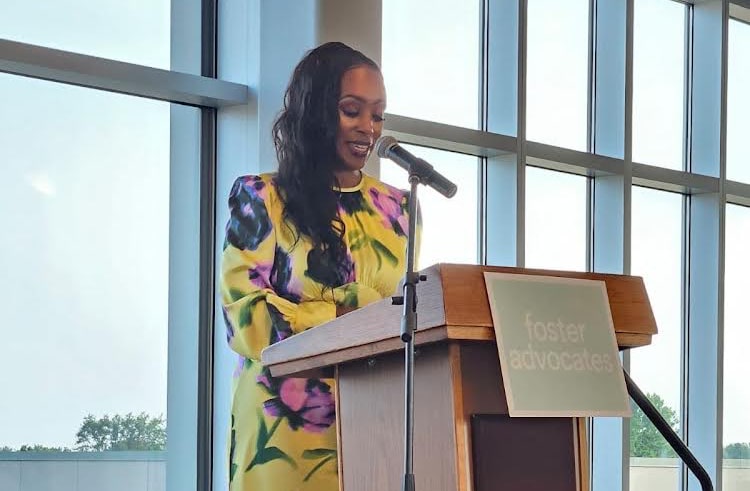
Nikki Beasley, executive director of Foster Advocates, said she is hopeful it “will ensure our children, youth and families are truly supported despite race, class or geography.”
“We are happy to have been asked to be at the table during this implementation stage,” Beasley said. “It shows that the office values community and Foster Advocates’ foster leaders have gathered to share what is most important to them.”
Beasley added that the new department — along with the naming last year of the state’s first ombudsperson for foster youth, Misty Coonce — “is a step in the right direction for Minnesota’s fosters. It is, however, only a step, and there are many to go.”
The new department will launch in July 2024, when a commissioner is expected to be named. It will be fully staffed with approximately 1,000 employees and operational by July 2025, according to the state’s plans.
Among other programs essential to low-income communities, the new Department of Children, Youth, and Families will include the foster care system, child care and child support, public benefits for low-income families and services for homeless youth.
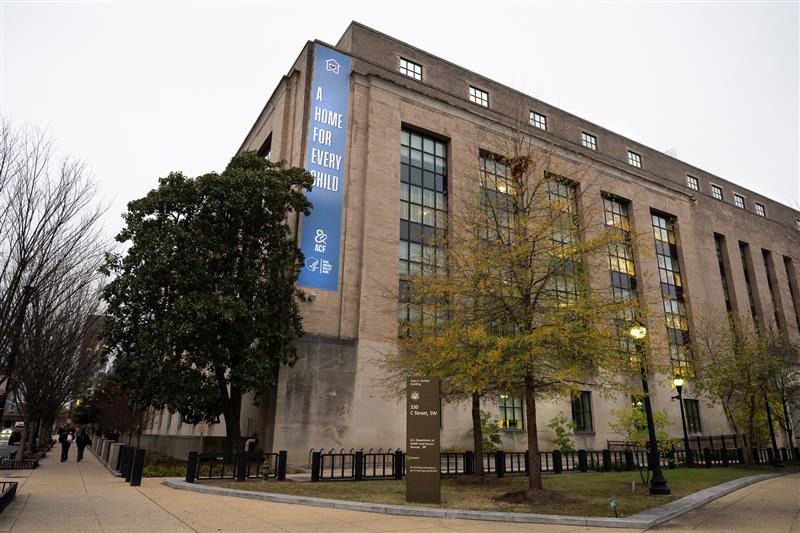
Currently, children and families are served in various state agencies, from human services to the departments of education, public safety and health — far larger bodies with divergent aims and goals. The governor-appointed commissioner that will head the new department is expected to have more sway when speaking on behalf of children and families, and to better address their particular needs at the highest levels of state government.
“One of the goals was to have someone thinking about child welfare sitting in the governor’s cabinet,” said Erin Bailey, assistant commissioner at the state’s Management and Budget Office, which is overseeing the transition. Bailey, who serves as executive director of Gov. Tim Walz’s Children’s Cabinet also noted: “On top of that, we wanted to consolidate all child-focused programs into one department to make it easier for child care providers and families to access.”
Legislation passed last March awarded roughly $20 million for creating the department. Programs will be transferred from their current locations between this July and July of next year.
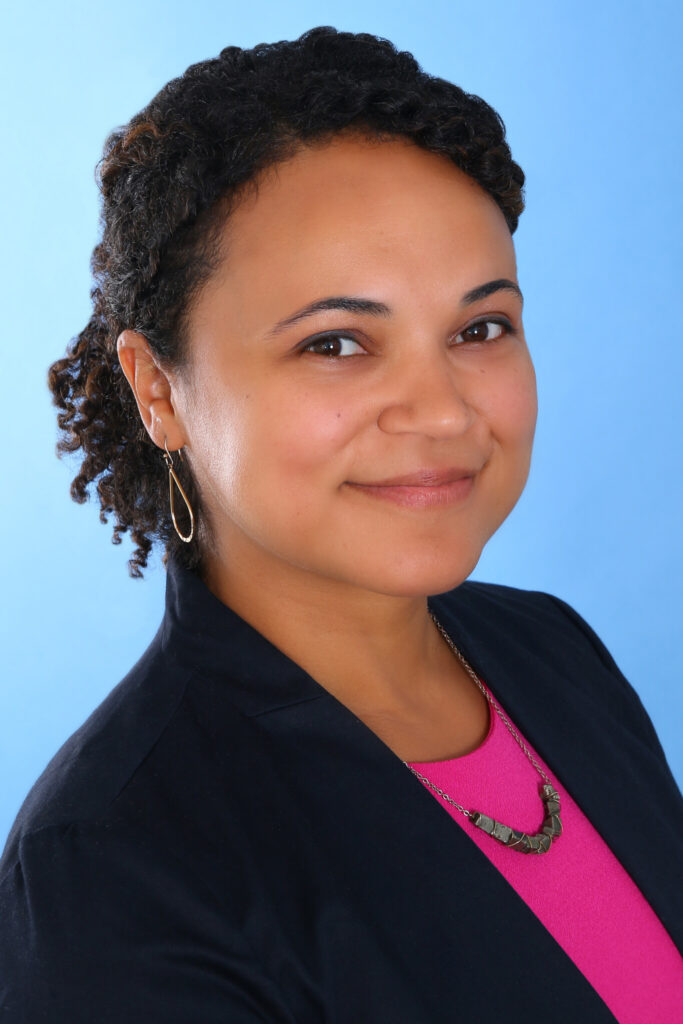
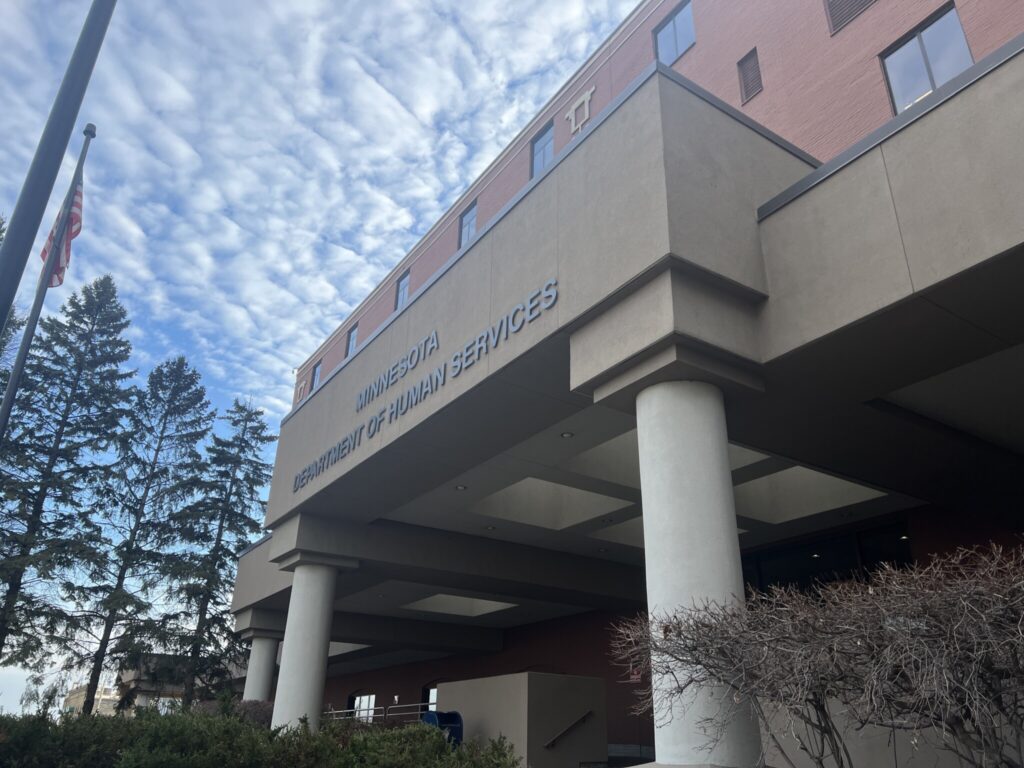
“Creating this department was a matter of right place, right time,” Tikki Brown, the state’s assistant commissioner for Children and Family Services said in an interview with The Imprint. Brown added that her current overarching agency, the Department of Human Services (DHS), “is already a large department; it was becoming too unwieldy for families and staff.”
The new Department of Children, Youth, and Families will also house the state’s current Youth Justice Office and its Office of Restorative Practices, which currently operate under the Department of Public Safety. And that represents an important shift, state officials note. “There’s recognition that this has been an area that has been under-invested in our state,” Brown said. “So the programs coming over from public safety is a really good opportunity to put them in their own space and give them room to grow.”
Child welfare leaders say the timing of the new department’s approval coincides with a political change in the state. Minnesota’s Legislature is now controlled in both houses by Democrats, for the first time since 2014. It is also the most diverse in state history, with women heading the House and Senate, and the election of the first openly transgender lawmaker. Last year, Minnesota lawmakers passed legislation supporting abortion access, gender-affirming health care for youth and school meals for all children.
Professor Joanna Woolman, executive director of the Mitchell Hamline School of Law’s Institute to Transform Child Protection, said the success of the legislation that created the new department was possible with the added support of Gov. Walz, a Democrat.
“There was no way that a Republican House or Senate would pass it,” she said. “It’s definitely something that they’ve been thinking about, but they haven’t had the capacity for it, because they haven’t been in power to get it done.”
Minnesota’s child welfare system is county-run, so the change may not be too evident in the day-to-day lives of those who interact with these local authorities, Woolman added. But stronger leadership from the top could well help.

“I don’t know if some of the concerns about effectiveness, efficiency and capacity at DHS currently will be solved, but I think that there’s a possibility that it could be a good reorganization,” Woolman said. “It has the potential to be a better consolidation of services that meet the needs of kids and families.”
Minnesota is by no means the nation’s most impoverished state, but there are deep racial disparities evident among those most in need. The state pledges to work to correct this inequity through the new department as well.
“Given Minnesota’s current, concerning, racial disparities for families and children involved with our child welfare systems, the Office of Ombudsperson for Foster Youth appreciates the acknowledgement that our current systems have not led to equitable outcomes, and the need for Minnesota to do things differently,” Coonce, the state’s ombuds said in an emailed statement. “The creation of this new department is one of many needed steps to more effectively provide services and supports needed for all kids and families in Minnesota, and especially for the most vulnerable children and youth who enter foster care.”
Bailey said although it’s been years in the making, the new department was prompted in large part by residents and advocates who vocalized the need for better state services, particularly for children and families of color.
“This lengthy timeline will help ensure the new department will be equipped with the resources necessary to ensure families — especially those that are underprivileged — to have access to programs and services in a much more navigable way.”
The change is long overdue, some service providers say.
“We’ve had a Department of Human Services that was so large that finding resources for families was difficult,” said Mary Solheim, director of education at Maplewood-based Playschool Child Care. “Even as a child care provider, we had to maneuver through a website and that would take an hour or two just to find information that was pertinent to us.”
Solheim is also a representative of Kids Count On Us, a coalition of child-serving groups that pushed for the new department, testifying before the Legislature and spreading the word to improve service delivery.
She has high hopes for the new commissioner leading the Department of Children, Youth, and Families, who has yet to be chosen.
“That person just needs to care about kids. They need to care about our families,” she said. “It’s a bit simple, but someone that is kind and caring would already have the greatest qualities for that job.”
Correction: The section of this story quoting the executive director of Foster Advocates has been changed. The organization did not participate in the creation of the Minnesota Department of Children, Youth and Families, as noted in an earlier version.